

Environment
Absolute naan-sense: Delhi bans coal tandoors

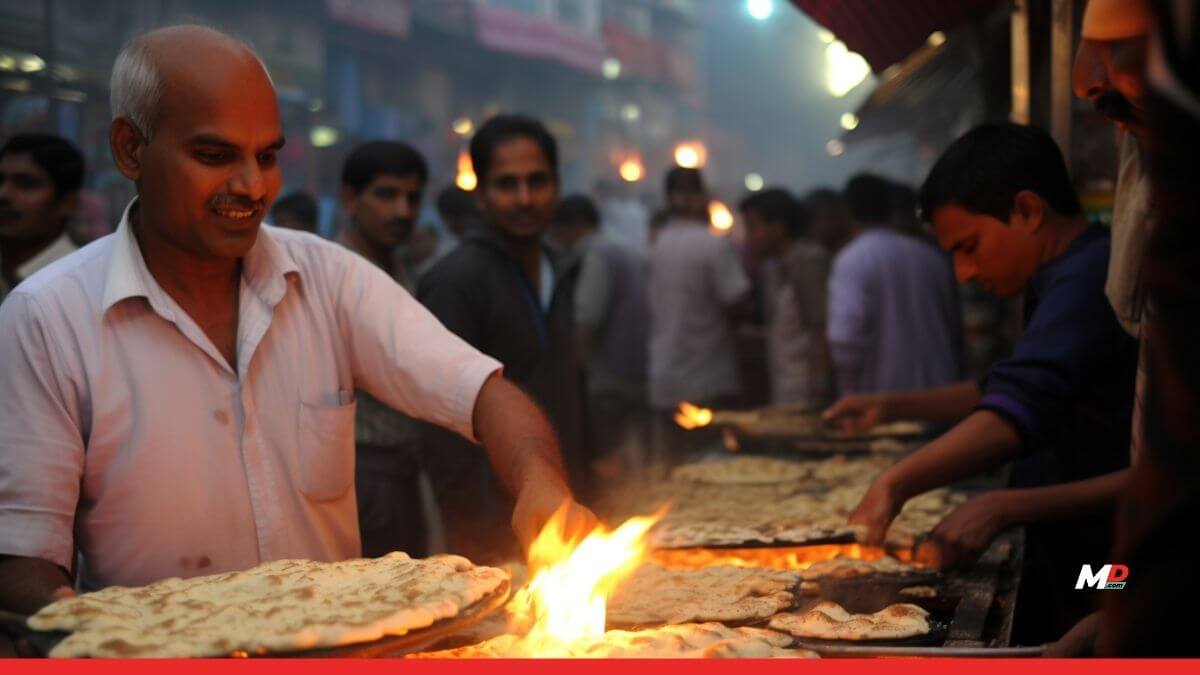
It appears the Delhi government has finally identified the true villain behind the city’s choking smog. It is not the millions of vehicles idling at traffic signals, nor is it the industrial emissions that hug the skyline. The culprit, we are told, is the humble tandoor.
In a move that can only be described as a gastronomic tragedy, the Delhi Pollution Control Committee has enforced a blanket ban on coal and firewood ovens across the capital. This directive comes just as the city prepares for the festive season, leaving restaurateurs and food lovers in a state of despair.
The logic seems to be that while the Air Quality Index (AQI) across Delhi touches hazardous levels, extinguishing the coals in your local dhaba will somehow clear the air. Restaurants, hotels, and streetside eateries have been ordered to switch to electric or gas-based alternatives or face fines of ₹5,000.
One can almost hear the collective sigh of foodies realizing that their Butter Naan will now lack that distinctive smoky char, replaced by the sterile, uniform heat of an electric coil. The soul of North Indian cuisine is being asked to electrify itself for the greater good, which would be fine if it were the solution. Instead, it is akin to putting a Band-Aid over a hugely gaping wound.
Chief Minister Rekha Gupta took to social media to support the initiative. “We humbly request all citizens not to burn waste in the open. Your small cooperation can bring about a big change,” she stated.
While the request to stop burning garbage is undeniably sound, equating the open burning of plastic with the controlled cooking of a tandoor feels like a stretch. It suggests a policy approach that is grasping at straws, or in this case, skewers.
The authorities have invoked measures under the Graded Response Action Plan (GRAP), citing Section 31 (A) of the Air (Prevention and Control of Pollution) Act of 1981. This bureaucratic muscle flexing means that officials will now be inspecting kitchens to ensure no coal is being surreptitiously lit.
The irony is palpable. As citizens wheeze through “severe” air quality, with Anand Vihar recording an AQI of 410, the administration’s focus shifts to the kitchen. It is easier, perhaps, to police a restaurant than to fix the perennial issues of dust from construction sites, which have also been told to halt, or to manage the vehicular density that clogs the arteries of the NCR. The ban forces vendors to scramble for expensive gas equipment, likely driving up the cost of your favorite meal.
We are left with a capital city that is breathless, not just from the pollution, but from the indignation of having its culinary heritage sanitized. The tandoor, a vessel of history and flavor, is now contraband. We must now prepare our palates for a season of gas-grilled kebabs, comforting ourselves with the thought that while the air outside remains gray and heavy, our carbon footprint inside the restaurant has been theoretically reduced. It is a classic case of prioritizing the optical over the practical, leaving us with cleaner kitchens and the same dirty sky.