
Sports
“Challenges may be part of your journey, but they do not define your future”: Chetan Korada

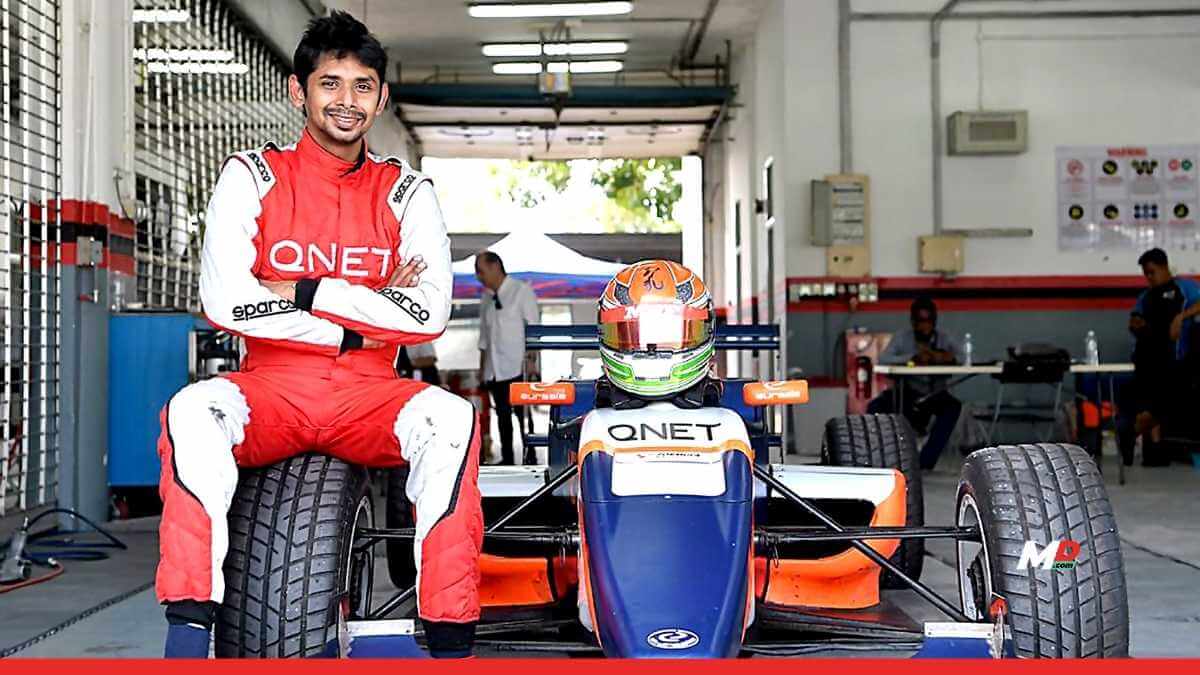
Chetan Korada, an internationally acclaimed motorsport racer and brand ambassador for QNET, is celebrated for his extraordinary resilience and inspiring journey as the first ever racecar driver to win a race using artificial limbs.
In an exclusive interview with Marksmen Daily, he reflects on the pivotal moment that solidified his dedication to racing and the philosophy that drives him to compete on equal terms. Korada’s story is a testament to the belief that ability, determination, and discipline are the true markers of a champion.
Your journey shows extraordinary resilience. Looking back, what was the turning point that convinced you racing was the way to go?
I was always fascinated by cars and speed. I played different sports as a child, but the first time I sat in a Formula car during a track day in Chennai, I felt something different. The cockpit felt like home, and I knew this was where I truly belonged. That moment convinced me that racing was not just a passion but the path I wanted to dedicate myself to.
You have chosen to compete on equal terms, without special modifications to your car. How much of that decision was about proving to yourself and to others that ability is what truly defines a racer?
I wanted to compete in the same way as every other driver. For me, racing is about precision, skill, and consistency. By not having any special modifications, I proved to myself that I could rely fully on my own ability. At the same time, it showed others that what defines a racer is talent, determination, and discipline, not physical circumstances.
Motorsport in India is still young. What changes do you believe are needed to make racing more inclusive and accessible, especially for para-athletes?
Motorsport in India has great potential, but we need more effort to make it accessible. Grassroots training programs, better infrastructure, and financial support are very important. For para-athletes, opportunities should include access to proper equipment, coaching, and platforms to showcase their talent. Representation also matters because when people see para-athletes competing on equal terms, it encourages more participation and builds a culture of inclusivity.
Partnerships like the one you have with QNET go beyond sponsorship and represent belief in an athlete’s vision. How has this long-standing association empowered you personally and professionally, and what impact do you think such collaborations can create in building a more inclusive sporting culture?
My association with QNET has played an important role in my journey. They supported me from the beginning and believed in my ability to succeed in motorsport and inspire others. Their support gave me the resources to train, compete internationally, and share my story. Personally, it gave me the confidence to push harder, and professionally, it allowed me to sustain my journey in a demanding sport. Collaborations like this show how inclusion can become a part of mainstream sport. They create opportunities, change perceptions, and build a stronger culture of belief and acceptance.
Beyond racing, you inspire youth through talks and mentoring. What message do you want differently abled youngsters to take away from your journey?
My message is that being different does not limit what you can achieve. Challenges may be part of your journey, but they do not define your future. Believe in yourself, work hard, and stay focused on your passion. Surround yourself with people who support you, but also learn to be your own strongest supporter. With resilience and determination, you can create your own path and achieve more than you imagined.