

Business
Apple Set to Manufacture All iPhone 17 Models in India For the First Time

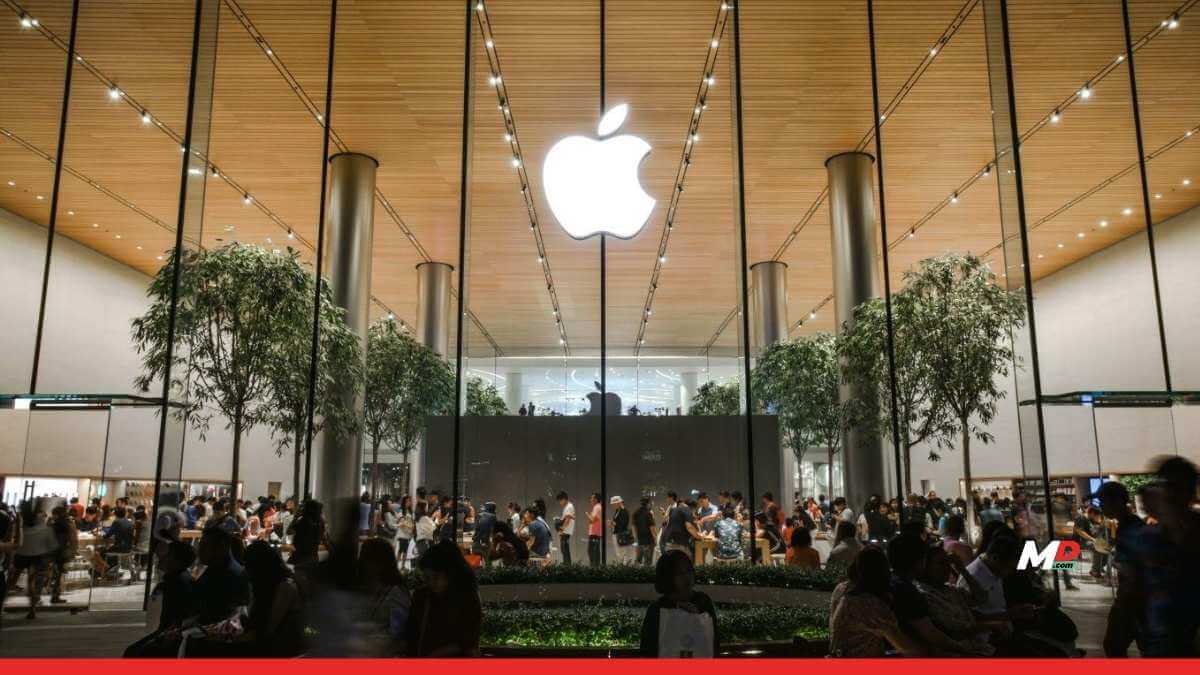
Apple’s decision to manufacture the entire range of its forthcoming iPhone 17 models in India marks a seismic shift in global supply chains and a resounding endorsement of India’s Make-In-India initiative. This move, announced just as U.S. President Donald Trump pushes new tariffs and repeats his demands that Apple “bring manufacturing home,” doubles as both a geopolitical statement and a strategic business transformation.
Also read: iPhone 17 Leaks Hint at Strategic Redesign by Apple
Boosting Make-In-India: More Than a Catchphrase
The Make-In-India campaign, launched in 2014, has often been criticized for lacking marquee successes outside a handful of sectors. Apple’s decision changes that narrative overnight. Previously, India’s role in Apple’s supply chain was limited—mostly assembly, with high-end and first-wave devices manufactured in China. The company’s plan to build every model of the iPhone 17 line in India, however, signifies that the country has matured into a technological manufacturing hub on par with, or even exceeding, Southeast Asian competitors.
Key Indian government officials have lauded this as a “watershed moment,” promising tens of thousands of new jobs and fortifying the supplier ecosystem, from component makers to logistics and design services.
The downstream impact will be equally transformative: Indian contract manufacturers like Foxconn’s local subsidiaries, Tata Electronics, and Pegatron are expected to expand capacity rapidly. These investments foster technology skills, improve infrastructure, and may incentivize other global electronics brands to follow suit, compounding the positive effect on India’s industrial landscape.
The India Advantage: Why Apple Made the Leap
Several factors must have propelled this bold change.
Resilience Against Supply Chain Shocks
The disruptions of the COVID-19 pandemic and ongoing U.S.-China tensions underscored the risks of overreliance on a single country’s manufacturing prowess. India, with its vast labor pool and improving infrastructure, represents a safer, more diversified bet for Apple.
Rising Labor Costs in China
As wages climb in China, cost advantages that once fueled its manufacturing dominance have eroded, making India comparatively more attractive for large-scale assembly and, increasingly, core component manufacturing.
Incentives and Policy Reforms
The Indian government’s production-linked incentive (PLI) scheme has offered billions in financial incentives to global firms. The explicit push to simplify labor laws, smoothen land clearances, and streamline export permissions has created a friendlier environment for high-tech manufacturing.
Rising Indian Consumer Power
India is now the world’s second-largest smartphone market, and local demand for premium devices is surging. Manufacturing domestically not only helps Apple save on import duties but also allows it to adapt products specifically for the Indian consumer.
Flying in the Face of Trump’s Tariffs
President Trump’s recent tariffs on Chinese and, selectively, Indian goods were intended to strong-arm global corporations—especially American ones—back to U.S. soil. The tariffs were coupled with public admonitions targeting Apple; Trump demanded the company end all Asia-based production within five years. Instead, Apple’s India move guts that narrative. Rather than bring jobs home, it has expanded global outsourcing, with India as the biggest winner.
Critics argue that America’s higher labor and compliance costs make U.S.-based electronics manufacturing uncompetitive. Apple’s India strategy, by increasing its dependence on Indian expertise and affordable labor, punctures the Trump administration’s contention that tariffs will “reshore” essential supply chains.
Apple’s approach prioritizes operational excellence and competitive pricing—key to global leadership—over politics. The move is a direct response to both market and macroeconomic challenges, showing that the future of tech manufacturing is global, not insular.
Ripple Effects and What Comes Next
Apple’s strategic choice is triggering reverberations across the industry. Its contract manufacturing partners are scaling up operations in India and investing in skilling, R&D centers, and automation. Rival smartphone brands and consumer electronics firms are likely to follow, further embedding India at the heart of the world’s most complex supply chains.
For India, this is not just a business victory. It is a validation on the world stage, demonstrating the country’s emergence as an indispensable node in global technology production. For the U.S., it’s a wake-up call: corporate supply chains now answer to the realities of globalization and market economics, not just political rhetoric.