

Business
RBI Poised to Respond as US Tariff Hikes Threaten Indian Exports

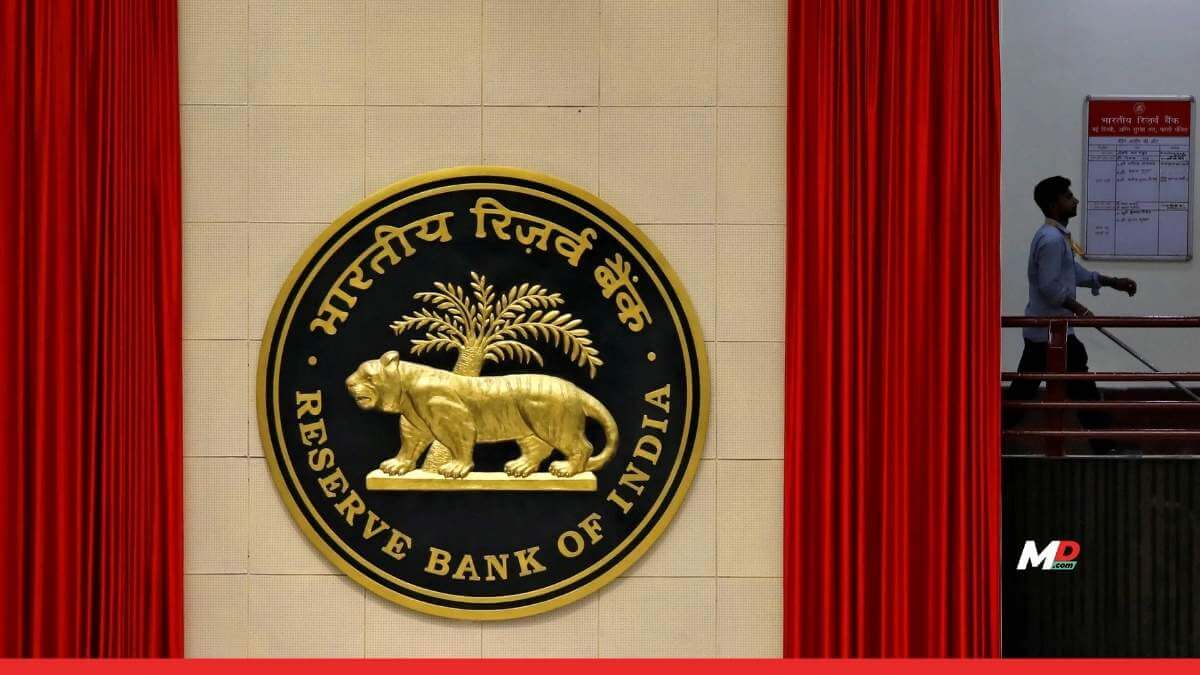
India’s export sector, a vital engine of economic growth and employment, faces significant disruption due to heightened US tariff hikes. As the US repositions its trade policies to address its own economic priorities, Indian exporters confront a tightening external environment. The Reserve Bank of India (RBI) may soon be compelled to respond with monetary policy adjustments, including possible rate cuts, to mitigate the impact.
The Impact of US Tariff Hikes on Indian Exports
The US tariffs have targeted several key Indian export sectors such as textiles, chemicals, engineering goods, and auto parts. These sectors collectively sustain millions of jobs and contribute significantly to India’s foreign exchange reserves. The tariffs increase costs for Indian exporters, making their products less price competitive in the US market compared to alternatives from other countries. Small and medium enterprises (SMEs), which operate with tight margins and have less ability to absorb additional costs, are especially vulnerable. Moreover, as global trade dynamics shift, competitors from China, Vietnam, and Bangladesh stand to gain market share, further challenging India’s export growth.
Economic Ripple Effects Across India
The consequences of these tariff hikes extend beyond exports. Industrial clusters in states such as Gujarat, Maharashtra, Tamil Nadu, and Karnataka—the heartlands of manufacturing and exports—may experience factory underutilization and reduced demand for raw materials. This will likely lead to job losses not only in manufacturing but also in supporting sectors, including logistics and services. The effects on consumer confidence and spending could compound these challenges, feeding back into slower economic growth.
Monetary Policy Dilemma: Rate Cuts or Retaliation
Policy makers face a complex decision matrix. Retaliatory tariffs against the US risk escalating trade tensions with severe economic consequences. Therefore, attention has turned to monetary policy. The RBI, which has so far maintained a cautious stance to manage inflation amid global instability, might consider monetary easing through interest rate cuts. Lower rates could ease the burden on exporters by making credit cheaper, potentially spurring domestic consumption as well. However, such easing must be balanced against inflationary pressures, especially given India’s sensitivity to energy costs and imported inflation.
Global Context and Strategic Recommendations
India is not alone in facing trade challenges; central banks worldwide are adapting policies to shield their economies against global headwinds. Recent dovish signals from the People’s Bank of China and the European Central Bank underscore the global nature of these adjustments. India, by embracing a targeted rate cut combined with an acceleration of export diversification efforts, can mitigate the immediate shock.
In the medium term, India must invest strategically in uplifting export capabilities. This includes facilitating movement up the manufacturing value chain through policy incentives for research, technology adoption, supply chain modernization, and workforce skill development. Diplomatic engagement with global trade partners, including bilateral dialogues with the US, is crucial for minimizing tariff impacts and opening new markets.
Looking ahead
The US tariff hikes have cast a shadow on India’s export-led growth model, but the response from Indian policymakers can determine the scale of the impact. Combining prudent monetary easing with structural reforms and export diversification can help India navigate these turbulent waters while building a more resilient and competitive export landscape.