
Politics
“Don’t waste our time”: CJI Surya Kant dismisses CJP pleas

New Delhi’s top courts have a message for citizens seeking their intervention: come back later, we are busy. Don’t waste our precious time with your frivolities.
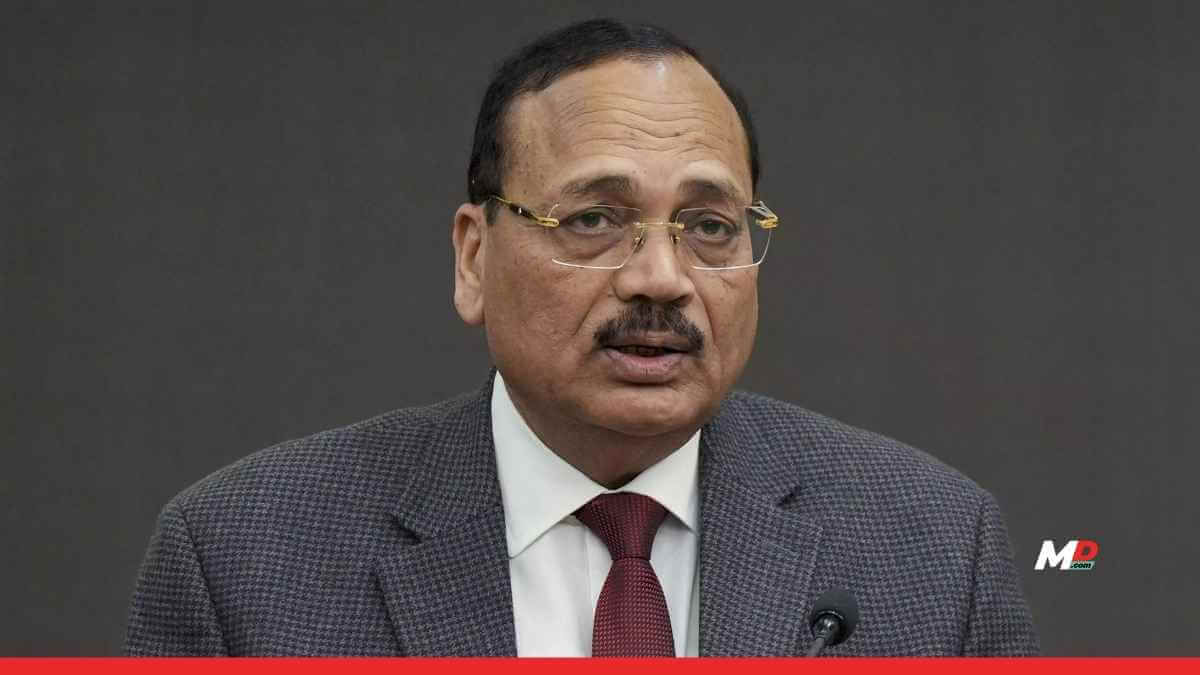
On Wednesday, the Supreme Court refused to grant urgent listing to a plea over alleged police excesses against protesters from the Cockroach Janta Party (CJP), who had marched to Parliament demanding accountability over examination paper leaks.
When a lawyer tried to mention the matter before Chief Justice of India Surya Kant, hoping for a quick hearing, he got a blunt rebuff instead. “Don’t waste our time, and don’t waste your time,” the CJI said. When the lawyer pointed out that videos existed showing police using force on the protesters, the response was sharper still: “We are not interested in videos; we don’t have time to watch.”
Think about that. A citizen came to the country’s highest constitutional court with visual evidence of alleged brutality by the police, and was told the court simply did not have the time to look at it.
This was not an isolated moment of impatience. A day earlier, the Delhi High Court had turned away a similar plea with an equally curt response: “Don’t drag Court into all this,” said the bench led by Chief Justice Devendra Kumar Upadhyaya, adding that the matter would be listed only the following day.
Two courts, one after the other, within twenty-four hours, declining to treat allegations of police force against ordinary citizens as urgent enough to even glance at.
The protests rumble on
The protests themselves stemmed from something the courts might otherwise have found compelling: a youth-led movement demanding a transparent investigation into examination paper leaks and structural reform of the National Testing Agency, alongside calls for the resignation of Union Education Minister Dharmendra Pradhan. The Sansad Chalo march, backed by CJP founder Abhijeet Dipke and joined by activist Sonam Wangchuk’s wife Gitanjali Angmo, drew crowds from across the country to Jantar Mantar before it turned confrontational near Parliament.
Delhi Police maintain they used force only after sections of the crowd resorted to stone-pelting and vandalism, and have registered five FIRs in connection with the clashes. That is a version of events the courts are entitled to weigh carefully. What is harder to explain away is a refusal to even watch the footage before forming a view either way.
For institutions whose legitimacy rests on being seen to listen, the optics of “we don’t have time to watch” cut deep. Citizens do not approach the Supreme Court lightly. When they do, and are told the country’s most powerful judges cannot spare a few minutes for video evidence of alleged police brutality, it sends an unmistakable signal about where their pleas rank on the court’s list of priorities.
The CJP, for its part, has said it will suspend further marches to avoid injuries, while insisting its movement will continue through peaceful, democratic means. Whether the courts extend it the same patience remains to be seen. For now, the message from the bench has been unambiguous: not now, not today, and perhaps, not really.
The man who birthed a cockroach
It is worth noting that CJI Surya Kant is deeply honourable man who gave birth to the movement now sweeping the nation. Little did he realise how deeply his words would resonate, or how resilient cockroaches are, when he said “There are youngsters like cockroaches, who don’t get any employment and don’t have any place in the profession. Some of them become media, some of them become social media, some of them become RTI activists, some of them become other activists, and they start attacking everyone.”
When the Chief Justice says this, and summarily dismisses a plea saying he has no time, one must think where the country is heading and what could one expect from the judiciary.