

Business
India Moves to Curb Cheap Pharma Imports, Boosts ‘Make in India’ Push

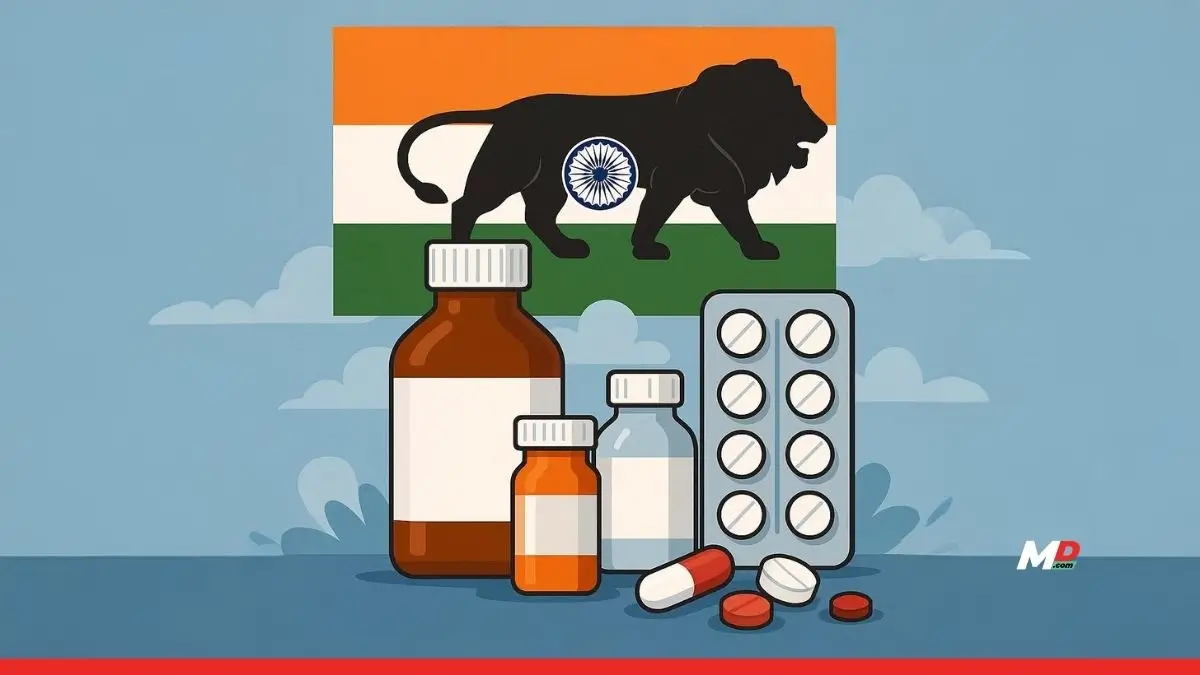
In a strategic move to protect and promote domestic pharmaceutical manufacturing, the Indian government is considering introducing a Minimum Import Price (MIP) on key pharma raw materials. The goal is to shield domestic producers benefiting from the ₹15,000 crore Production-Linked Incentive (PLI) scheme for bulk drugs.
According to sources, discussions are underway between the Department of Pharmaceuticals, the Prime Minister’s Office, and ministries of Health, Commerce, and Finance, alongside pharma industry stakeholders. Initially, the MIP will cover basic and essential raw materials like Penicillin G (PEN-G) and Clavulanic Acid, widely imported from China and used in bacterial infection treatments.
Once enforced, the MIP will make cheap imports less viable and encourage local production, strengthening India’s pharmaceutical supply chain and reducing import dependency—especially for critical ingredients.
The PLI scheme already supports 55 projects focused on advanced drug manufacturing, including for diseases like cancer and diabetes. A parallel ₹6,940 crore PLI scheme is targeted at enhancing domestic output of critical Key Starting Materials (KSMs), Drug Intermediates, and Active Pharmaceutical Ingredients (APIs).
Earlier, on June 18, the Ministry of Chemicals and Fertilizers extended the deadline for applications under the PLI scheme, reaffirming the government’s commitment to building a self-reliant pharma ecosystem.
The proposed MIP measure, if implemented, is expected to level the playing field for Indian manufacturers, reduce reliance on Chinese imports, and boost long-term investments in India’s life sciences sector.