Business
Little known facts about some of the world’s biggest business leaders


Business leaders are usually presented in fairly predictable ways. There is the photograph in the tailored suit, the corporate biography, the billion-dollar valuation, the carefully rehearsed quote about leadership and innovation.
Then there are the details that make them human. Mark Zuckerberg is colour-blind. Warren Buffett plays the ukulele. Indra Nooyi was in a rock band whose name was chosen by nuns. Ratan Tata once skipped a royal engagement because his dog was ill. And before Nike became Nike, Phil Knight was essentially a test subject for his coach’s homemade running shoes.
These aren’t necessarily the things that explain their success. They are simply the odd, unexpected details that make the people behind some of the world’s biggest companies considerably more interesting.
Mark Zuckerberg: Facebook was blue for a reason
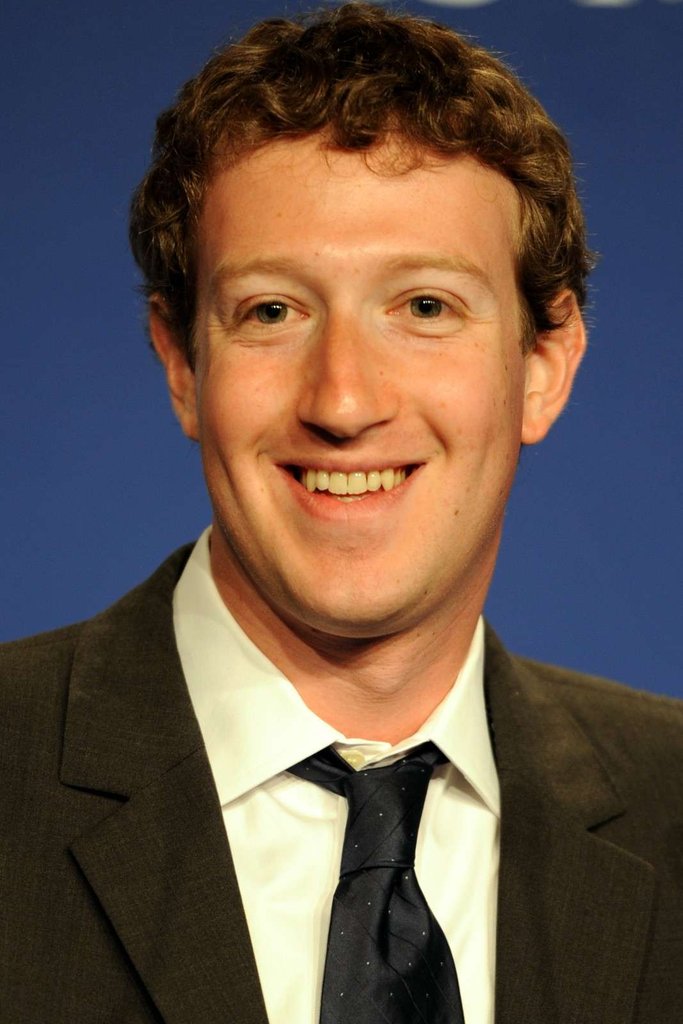
The next time you look at Facebook’s familiar blue, there is a good chance you will see a little differently.
Zuckerberg has red-green colour blindness. In a 2010 interview with The New Yorker, he explained that blue was the colour he could see most clearly, describing it as the “richest” colour for him. Facebook’s blue visual identity therefore had a remarkably personal origin.
It is a neat reminder that some of the most recognisable elements of a global brand can begin with something intensely personal.
And it becomes even more amusing in 2026, with Zuckerberg increasingly associated with luxury watches. His reported $225,000 De Bethune DB28xs “Kind of Blue” is, appropriately enough, almost entirely blue.
Warren Buffett: the billionaire with a ukulele
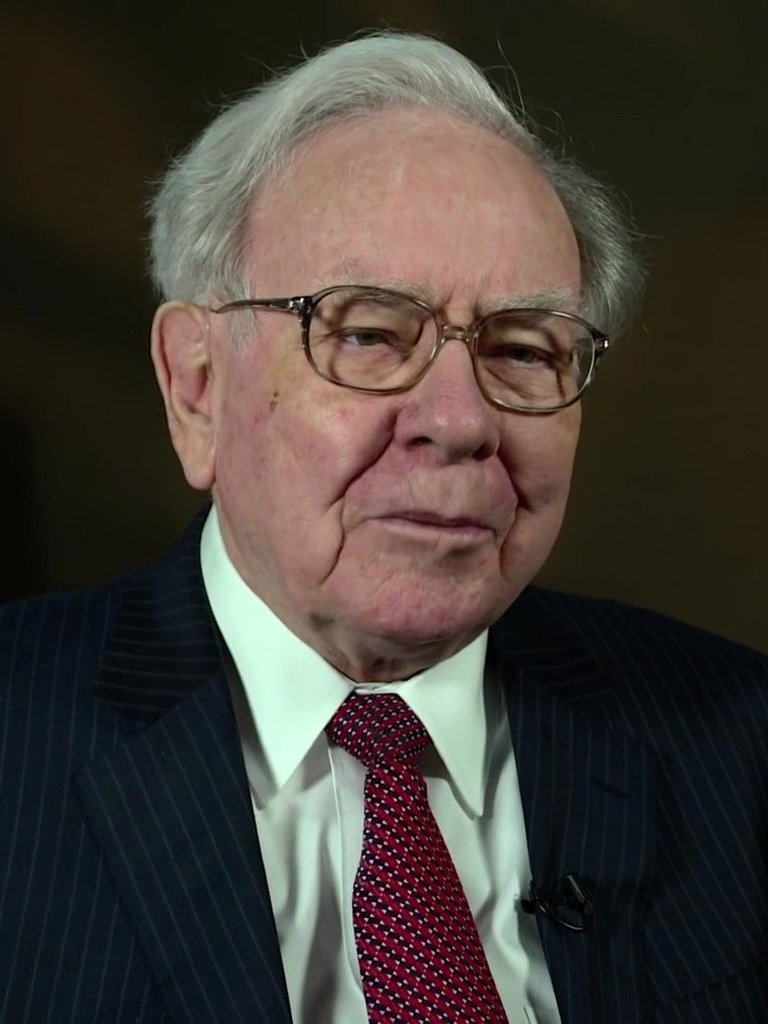
Warren Buffett’s public persona is built around numbers, annual letters and an almost monkish devotion to investing. But a lesser-known fact about the Oracle of Omaha is his love for tbe ukulele.
Buffett has played the instrument since college. In 2015, Coca-Cola commissioned a one-of-a-kind ukulele for him to mark the centenary of its famous contour bottle. The custom instrument was made by Portland luthier Mark Roberts and featured Coca-Cola-inspired detailing. Buffett subsequently used it to play the company’s famous “I’d Like to Buy the World a Coke” song.
It is difficult to imagine a more Buffett combination: Coca-Cola, music and an instrument small enough to carry around without disrupting the reading of an annual report.
Indra Nooyi: the PepsiCo chief who was in a rock band
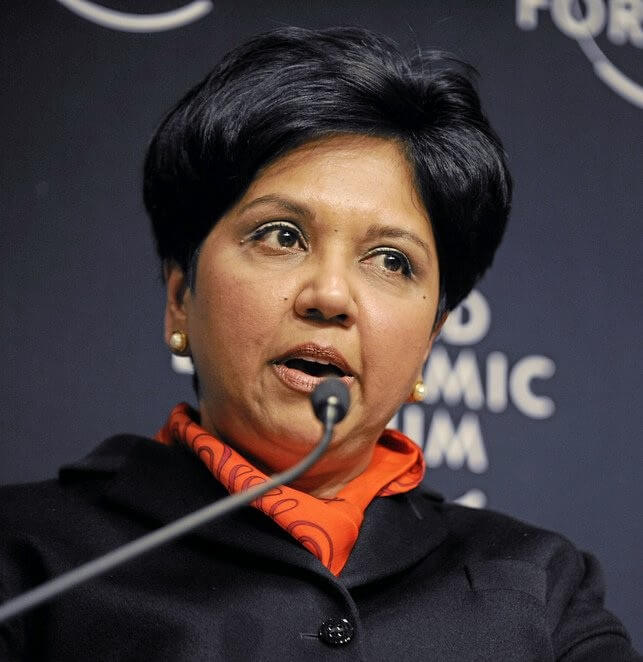
Before she became one of the most prominent women in global business, Indra Nooyi had another identity: rock-band guitarist and singer.
At school in India, Nooyi was part of an all-girls rock band called Logarithms. The name wasn’t some elaborate piece of counterculture branding. It was chosen by nuns at her Catholic school because the students were studying logarithms at the time. Nooyi has recalled the experience in interviews, along with her love of cricket and other extracurricular pursuits.
There may be few things more Indian than an all-girls rock band whose name was effectively approved by nuns.
Richard Branson: prisoner or millionaire?
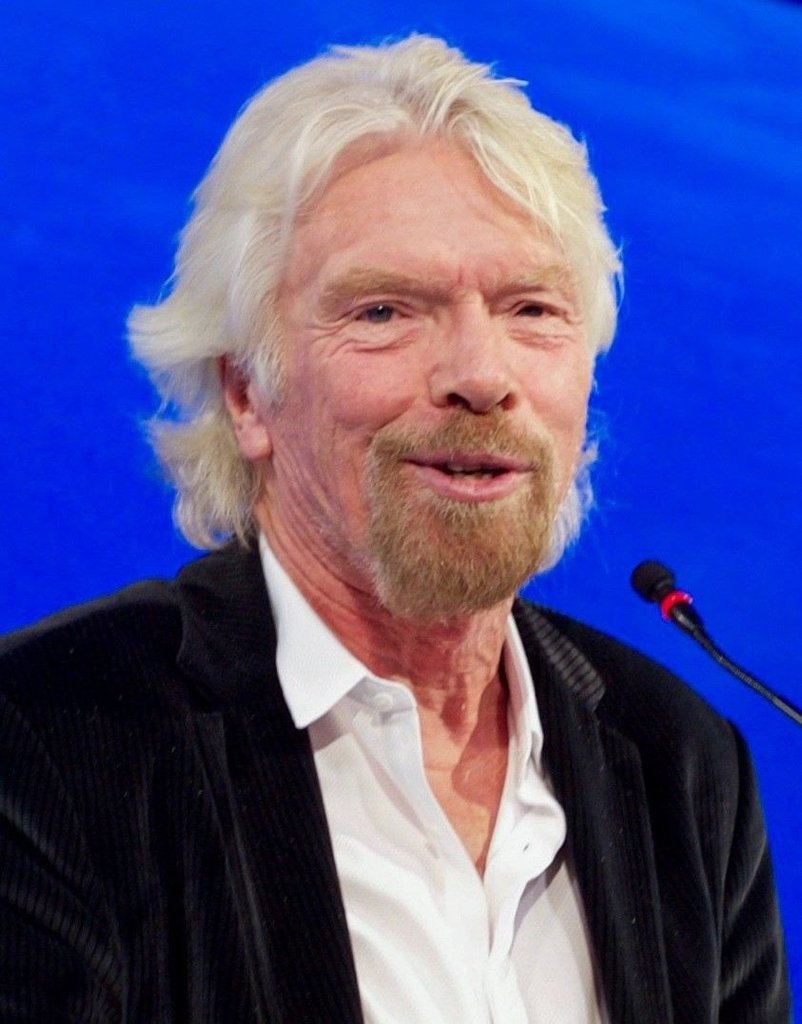
Richard Branson’s headmaster apparently had an unusually blunt way of assessing his pupil. As Branson has recounted, on his final day at school, his headmaster told him he would either go to prison or become a millionaire. Branson subsequently left school as a teenager to pursue his magazine, Student, before moving into the record business and eventually building the Virgin Group.
The prediction became even more remarkable because Branson actually did spend a night in prison as a young entrepreneur, after a tax-related offence involving his record business. He later paid the outstanding amount and moved on.
It is hard to imagine a school report containing a more spectacularly specific career forecast.
Ratan Tata: Buckingham Palace could wait
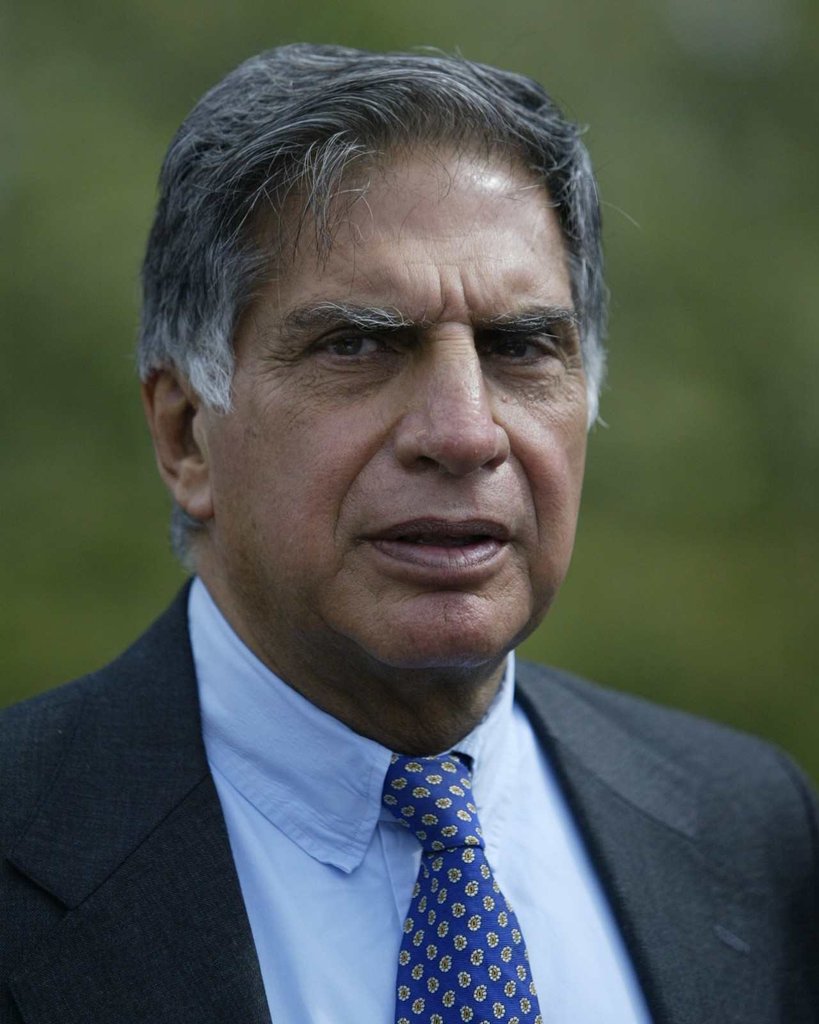
Perhaps the most touching story in this collection belongs to Ratan Tata.
In 2018, Tata was due to receive a lifetime achievement award at Buckingham Palace from then Prince Charles, recognising his philanthropic work. He cancelled his trip at the last minute because one of his dogs had fallen seriously ill.
According to accounts from people close to Tata, he simply didn’t want to leave the dog. Suhel Seth later recalled Tata telling him that one of his dogs was terribly ill and that he couldn’t leave him and travel to London.
The episode was entirely consistent with Tata’s lifelong affection for dogs. Bombay House, the Tata Group’s headquarters, eventually included a dedicated kennel for stray dogs, while Tata also supported animal-welfare initiatives and the Tata Trusts Small Animal Hospital in Mumbai.
For someone who had spent decades in boardrooms, a royal honour apparently came second to being there for a sick pet.
Nvidia: Born over coffee at Denny’s
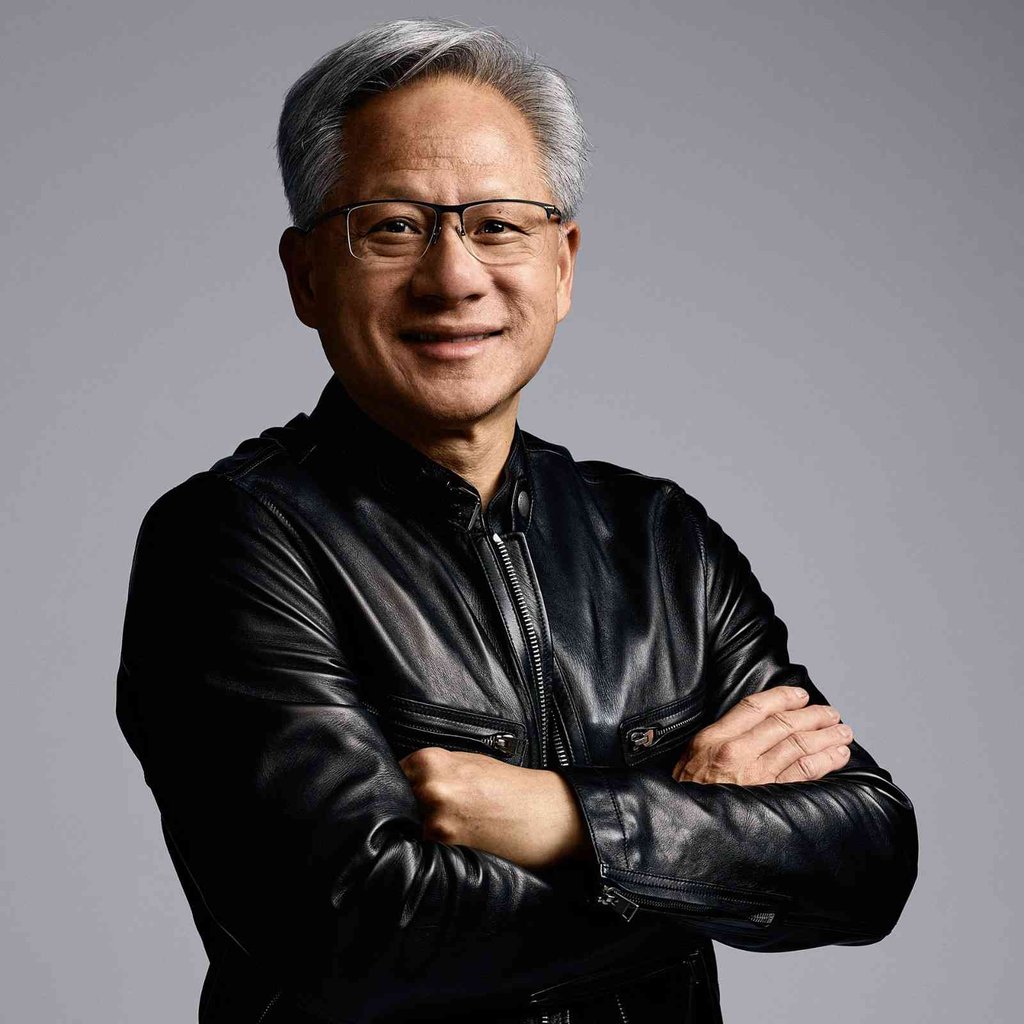
The company that would eventually become central to the AI revolution began in a surprisingly ordinary setting: a Denny’s restaurant in San Jose.
In 1992, Jensen Huang, Chris Malachowsky and Curtis Priem met at the diner to discuss the idea of building a company around graphics chips for personal computers. Nvidia was formally founded in 1993, with Huang becoming CEO.
Huang had also previously worked at Denny’s, reportedly as a dishwasher and busboy. the restaurant therefore played an oddly literal role in the Nvidia origin story. Few people sitting in that booth could have imagined that their conversation would eventually help power the modern AI boom.
Jack Ma and the KFC rejection
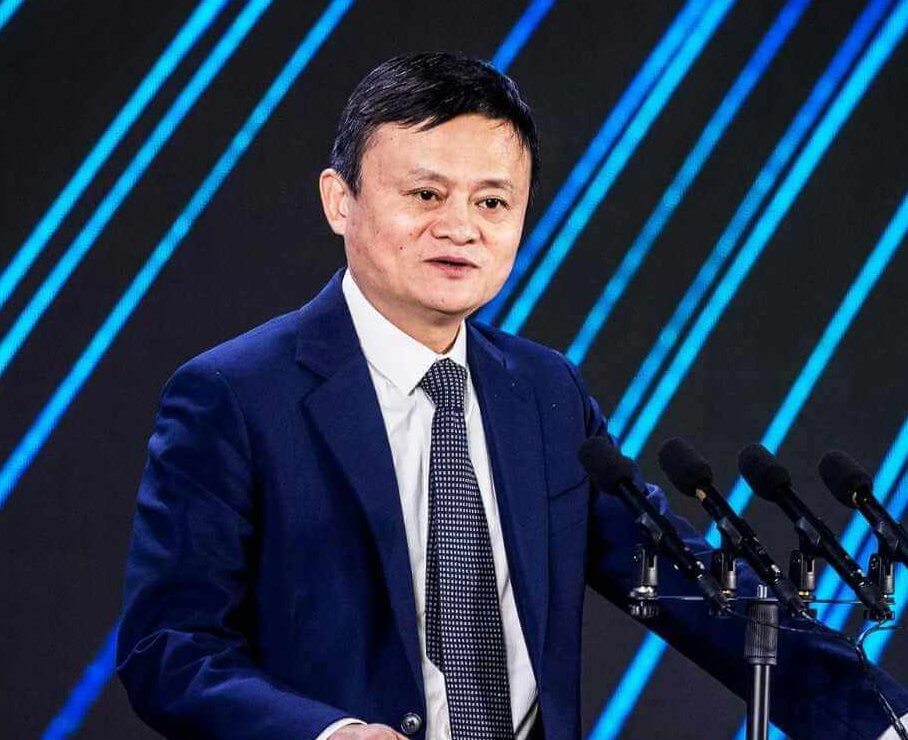
Jack Ma has often spoken about rejection, and one particular story has become legendary.
When KFC arrived in his hometown of Hangzhou, 24 people reportedly applied for jobs. Twenty-three were accepted. Ma says he was the one person who was rejected.
He has also said he applied for around 30 jobs and was rejected repeatedly before eventually becoming an English teacher. Years later, he founded Alibaba. (TIME)
The KFC anecdote is particularly memorable because it strips away the mythology surrounding entrepreneurship. Before Alibaba, Ma wasn’t some obviously destined technology visionary. He was a young man repeatedly hearing “no”.
Phil Knight: Nike’s original guinea pig
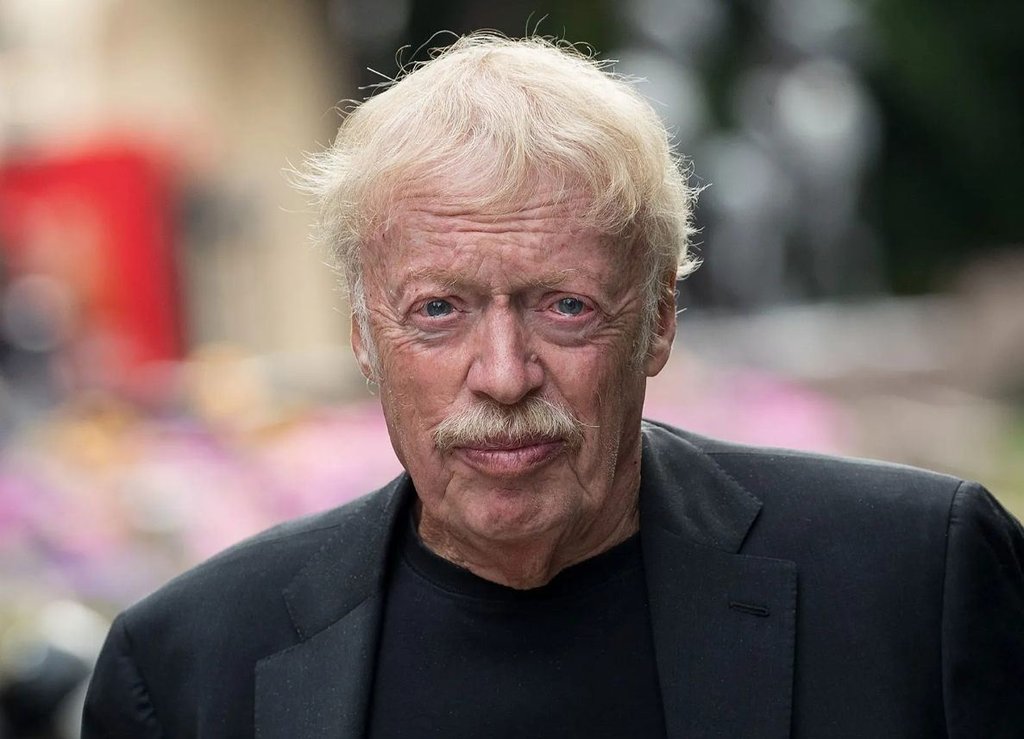
Phil Knight’s relationship with running shoes began before Nike existed.
His University of Oregon coach, Bill Bowerman, was obsessed with experimenting with footwear. In 1958, Bowerman made a crude prototype for Knight, using a lightweight rubber-coated fabric upper. Knight later recalled that Bowerman chose him because he wasn’t one of the team’s best runners and could therefore be used as a “guinea pig” without much risk.
The irony is wonderful. The man who would eventually build one of the world’s most valuable sports brands was once the relatively expendable athlete testing his coach’s homemade shoes.
Perhaps that’s the real appeal of these stories. Behind the billion-dollar companies and legendary careers are people with quirks, failures, hobbies, strange decisions and very ordinary beginnings.
Sometimes the detail that sticks isn’t the billion-dollar deal. It’s the blue screen, the ukulele, the logarithm band, the sick dog, the diner booth, the KFC rejection or the ugly pair of experimental running shoes. Those are the details make the giants look human.