
Business
“Profit and purpose are dependent forces that feed each other for growth”

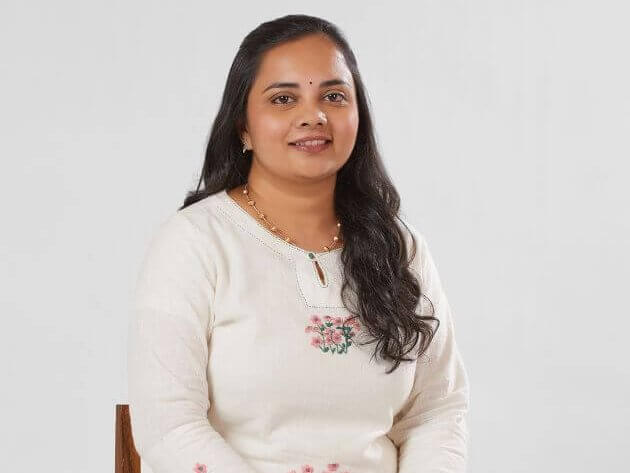
In an exclusive conversation with Marksmen Daily, Soumya Kalluri, Founder of Dwij, reveals that the sheer scale of India’s textile waste—from discarded consumer items to industrial cutting scraps—is a greater challenge than previously imagined.
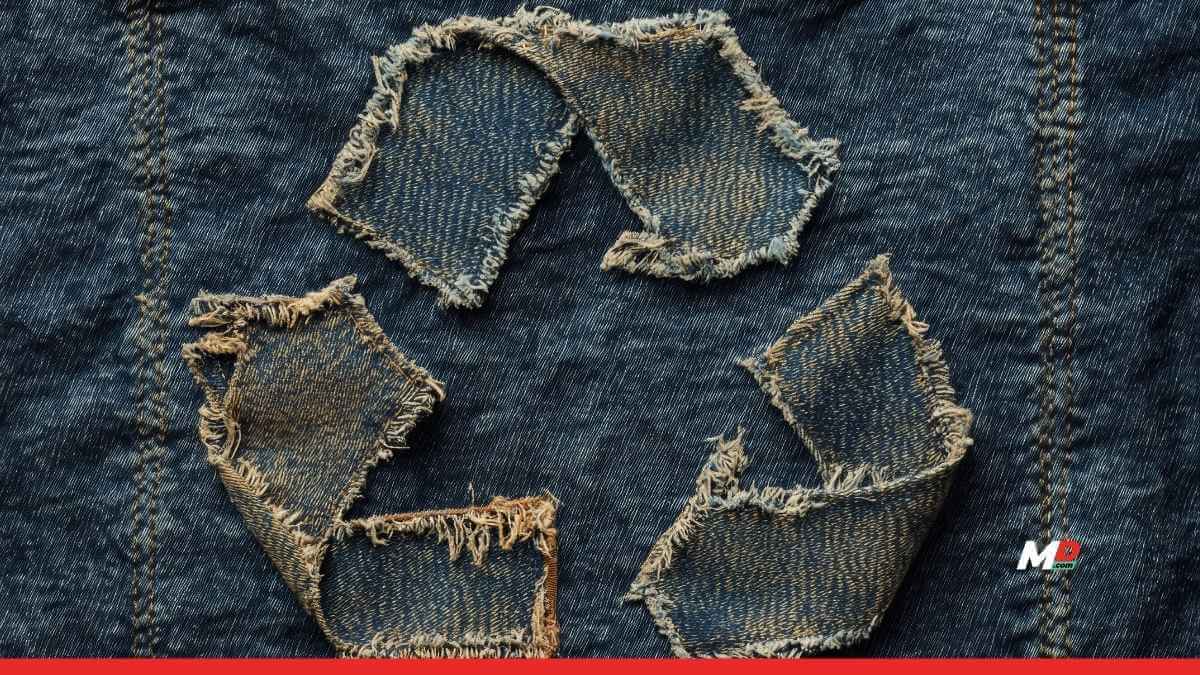
Dwij’s mission is to tackle this waste stream head-on by specializing in upcycling denim. Kalluri asserts that profit and purpose are dependent forces, demonstrating that their frugal approach and low-waste design are key to both financial and environmental success. Furthermore, Dwij ensures its products compete aesthetically with mass-produced items through rigorous cleaning, high hygiene standards, and superior craftsmanship.
How has upcycling denim changed your view on the true scale of textile waste in India, and what’s the next major waste material Dwij plans to target?
While researching for textile waste before Dwij, I was aware of the post-consumer garment wastes that a general person discards and also have been aware of the humongous waste that end up in textile hubs like Panipat, second markets in Mumbai, however, I wasn’t aware of the Industrial cutting waste from garment factories (sometimes 15-20% of fabric never makes it into garments), export rejection piles and the Deadstock from defunct orders. I am more and more motivated to see how we could make use of all these various streams. There is already so much that we could do with denim that we plan to explore denim in all waste forms horizontally and vertically before venturing into any new waste material.
How do you ensure that the aesthetics and market appeal of a product made from upcycled waste compete directly with conventional, mass-produced fashion accessories?
Sustainability is at the core of Dwij’s operations. By using low-waste practices, we ensure that every scrap of fabric is repurposed. We focus on functionality of the product along with high hygiene standards. We wash and iron every fabric that comes to our studio. This ensures that our products look vibrant and appealing at par with a conventional, mass-produced fashion accessory. We also focus on high-quality craftsmanship, ensuring that our products last longer and reduce the need for frequent replacements.
Beyond providing jobs, what specific steps does Dwij take to fully integrate and empower women from self-help groups into the brand’s long-term business strategy?
At dwij, we upskill women by reshuffling them to different departments that helps them gain knowledge of the department, creates empathy for one another. This activity improves team connectivity and boosts their confidence to face different challenges.
We also encourage them to take up formal education. Women in the past have cleared their 10th and 12th exams with our support.
What is the most important lesson you’ve learned about balancing profitability with the social and environmental purpose of the business?
Since inception, dwij has always considered that profitability can and has to go hand in hand with the social and environmental purpose of the business. The lesson learnt along the way is that profit and purpose are dependent forces that feed each other for growth. This comes from our frugal approach to production units and our low waste product design approach that keeps us connected to our core of sustainability.