
Politics
Nepalese PM KP Sharma Oli Resigns After Youth Protests Turn Deadly

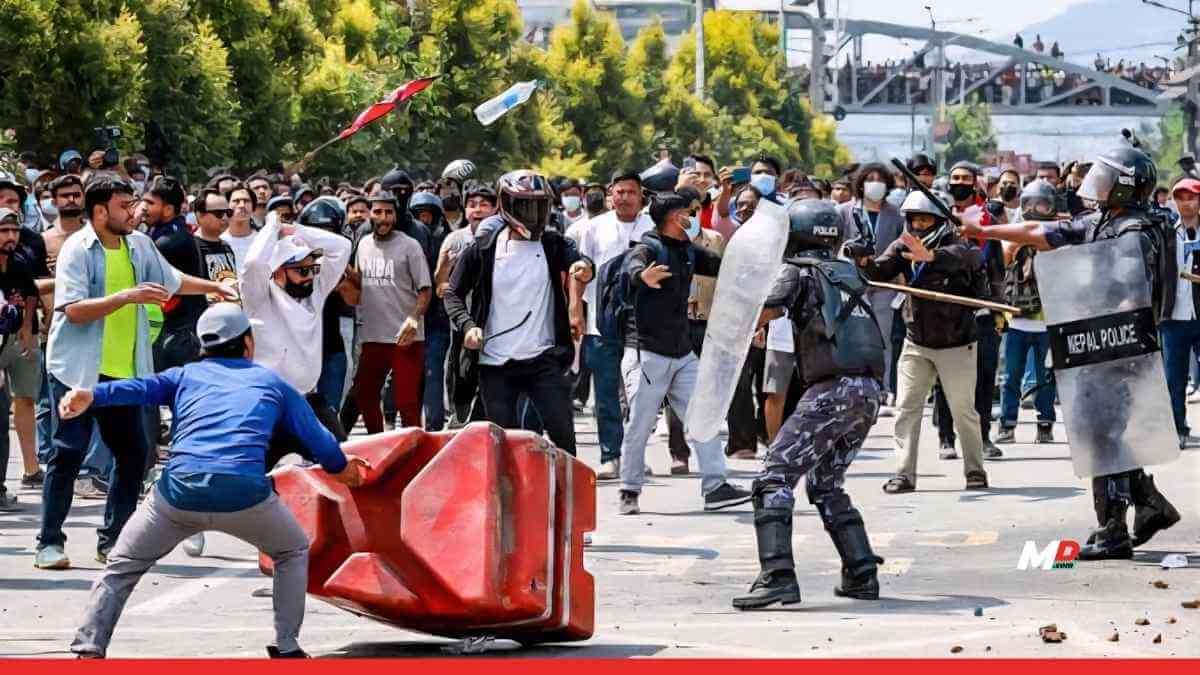
What began as a backlash against social media censorship has turned into a full-blown youth revolution in Nepal. Prime Minister KP Sharma Oli’s resignation comes amid deadly clashes, airport shutdowns, and a nation bracing for uncertainty.
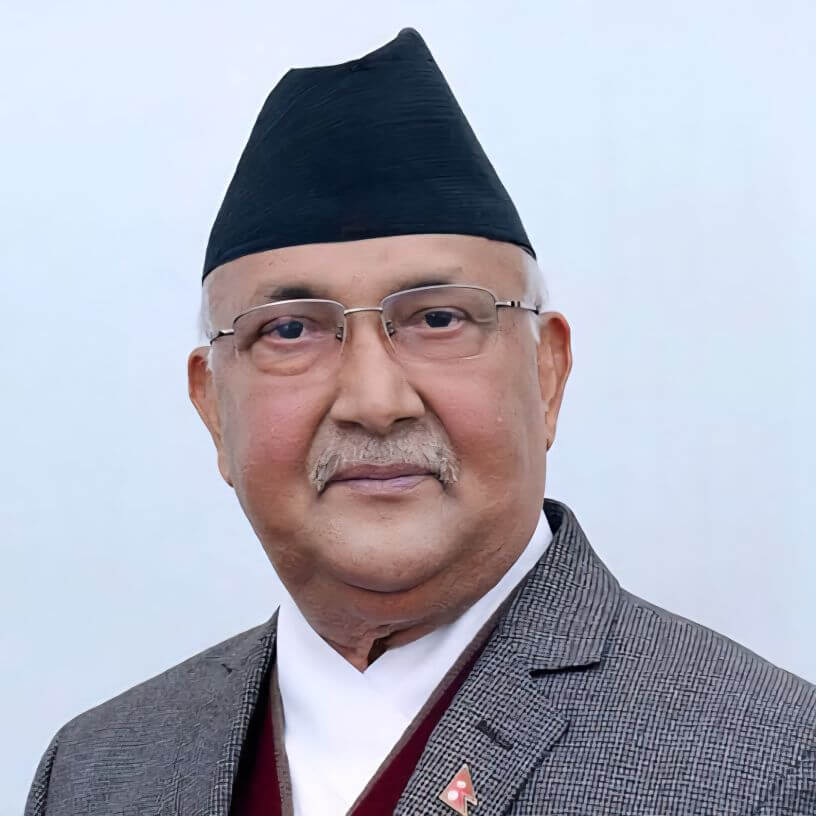
In a dramatic crescendo of public outrage and youthful defiance, Nepal’s Prime Minister K.P. Sharma Oli resigned on September 9, 2025, marking a seismic shift in the country’s political landscape. The resignation followed two harrowing days of Gen Z led protests sparked by a government social media ban and fueled by deep-seated frustration over corruption – unrest that turned deadly across Kathmandu and beyond.
It began as a flashpoint confrontation over digital censorship, ignited when the government blocked 26 platforms including Facebook, Instagram, X (formerly Twitter), and WhatsApp – for failing to register under new regulation. The clampdown unleashed a potent backlash from Nepal’s youth, who swiftly rallied online and on the streets in defiance.
Within hours, the situation exploded into chaos. Protesters stormed the parliament compound, torched the offices of ruling parties, and set ablaze the homes of senior leaders. Clashes with police escalated tragically: at least 19 people were killed and scores more were injured as security forces turned to tear gas, rubber bullets, and live ammo to quell the unrest
Amid growing carnage and calls for his ouster, the government lifted the social media ban, but the damage had been done. Curfews were imposed, the Kathmandu airport was closed, and the streets burned as the capital teetered on the edge of collapse.
Under mounting pressure, Oli tendered his resignation – announcing he stepped down to “facilitate a political solution” and ease the mounting bloodshed. His aides confirmed the letter was accepted, and the president is now seeking a new leader to navigate Nepal through uncharted political waters.
In the aftermath, speculation swirled about Oli’s next move with reports suggesting he was planning to flee the country, possibly seeking safe passage to Dubai.
Across the region, the seismic upheaval in Kathmandu has intensified international attention – especially from India and China. How Nepal transitions now into new leadership, reforms, or further turmoil could reshape the political landscape for years to come.
This extraordinary chapter underscores the power of Gen Z; driven, connected, and fearless, forcing long-entrenched political structures to reckon with a generation that refuses to be silenced.