Auto
Global EV Sales Accelerate, But Roadblocks Threaten Momentum: Bloomberg NEF Outlook 2025

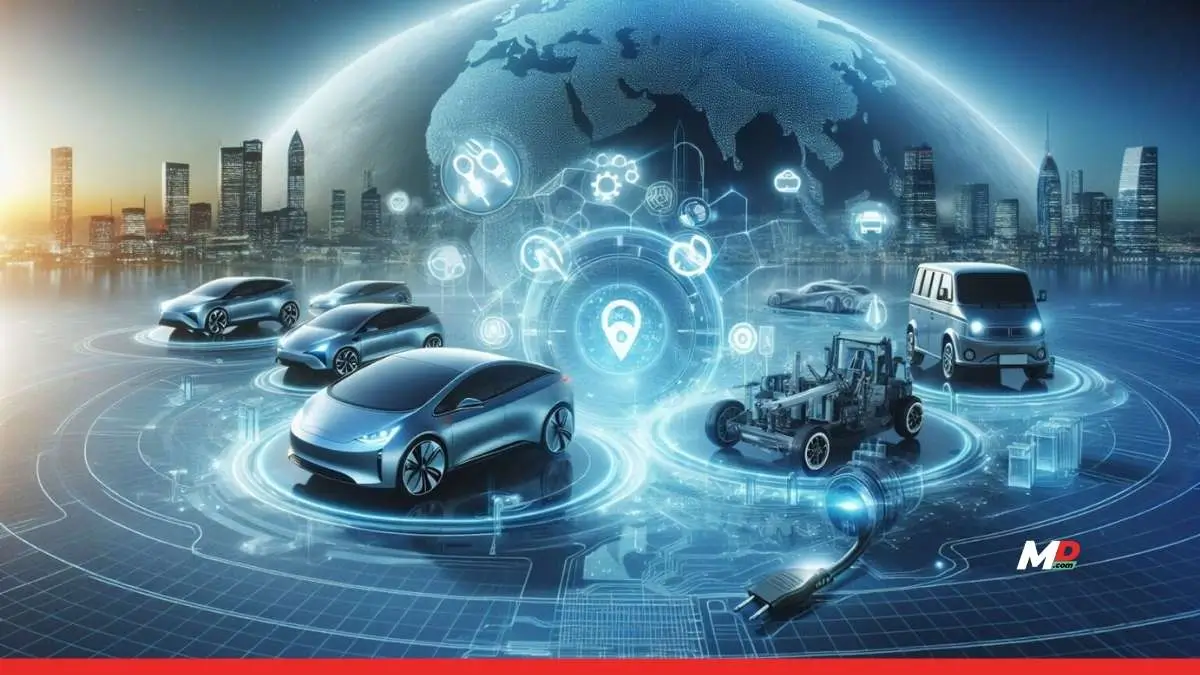
The global electric vehicle (EV) revolution is accelerating at an unprecedented pace, but major challenges threaten to slow progress, according to the newly released Bloomberg NEF Electric Vehicle Outlook 2025. The comprehensive report highlights record-breaking growth in EV adoption, rapid technological advancements, and looming policy and infrastructure hurdles that could derail net-zero ambitions.
Record Sales, Led by China
The report reveals that EVs are projected to comprise 25% of global passenger vehicle sales by 2025. China continues to dominate the market, accounting for 65% of all EV sales, far ahead of Europe and the United States. However, despite this surge, the path to full electrification remains uneven.
Policy Setbacks Cloud the Outlook
In the US, policy rollbacks, new tariffs, and uncertainty over government incentives have led to a downgraded EV growth outlook. Europe, too, has delayed stricter CO₂ emission targets, stalling momentum in key markets. These policy shifts risk undermining the global push toward cleaner transportation.
Technology Drives Progress
Technological innovation remains a bright spot. Advances in solid-state batteries are pushing the boundaries of vehicle range and performance. In China, range-extended electric vehicles (e-REVs), which combine electric propulsion with auxiliary gasoline engines, are gaining rapid popularity.
Cost Barriers in Charging Infrastructure
While home charging remains more affordable than gasoline, the cost of public fast charging has exceeded fuel prices in parts of Europe and the US, presenting a new obstacle to broader EV adoption.
Commercial EVs on the Rise
The commercial vehicle sector is undergoing a major shift, with electric trucks, vans, and buses expanding rapidly, especially in China. By 2040, electric buses are expected to dominate urban fleets in China, the Nordics, and South Korea.
Long-Term Growth Amid Challenges
Bloomberg NEF forecasts EVs will represent 70% of new car sales globally by 2040, with a corresponding reduction of 5.3 million barrels of oil demand per day by 2030. However, the transition of the global vehicle fleet will be slower, and battery oversupply is already driving prices down.
Investment Needs and Market Shifts
To meet future demand, nearly $900 billion must be invested in EV charging infrastructure by 2040. Battery metals are attracting record funding, with $29 billion invested in 2024 alone, though concerns over oversupply persist.
Mobility Trends and Energy Impact
Emerging trends such as robotaxis are beginning to reshape urban mobility, while EVs are expected to contribute 11% to global electricity demand by 2050, posing new challenges for power grids.
Net-Zero Goals at Risk
Despite remarkable growth, the report warns that current efforts fall short of global climate targets, projecting a shortfall of 500 million EVs by 2050 under existing policies.
The findings underscore the dual reality of the EV transition: rapid innovation and adoption on one hand, and significant policy, economic, and infrastructure barriers on the other. The race toward cleaner mobility continues, but achieving global net-zero goals will require sustained investment, supportive policies, and technological breakthroughs.