Entertainment
Ranbir Kapoor and the art of breaking hearts on screen

There’s something about Ranbir Kapoor when he’s falling apart on screen. It doesn’t feel performed. It feels… personal. As if you are watching something you shouldn’t be – raw, real, and unfiltered.
Compared to actors, who often play “up” emotions for effect, Ranbir does not act “up” emotions; he draws them “in.” And, therefore, they often seem even more powerful than other actors’ performances.
For example, in ‘Tamasha,’ during his character Ved’s breakdown scene, there are no dramatic pauses designed for applause; instead, it’s messy, uncomfortable, and painfully honest. He is just a man who has been pretending to be someone else for so long that he doesn’t know who he is anymore. And so, he is just being himself; his voice breaks, he stiffens, and his eyes tell you more than any one word would ever convey. Not to be dramatic, but it is not cinematic heartbreak; it is existential despair.

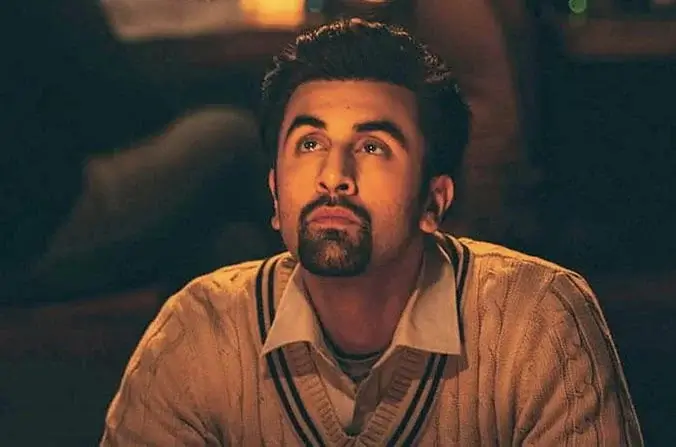
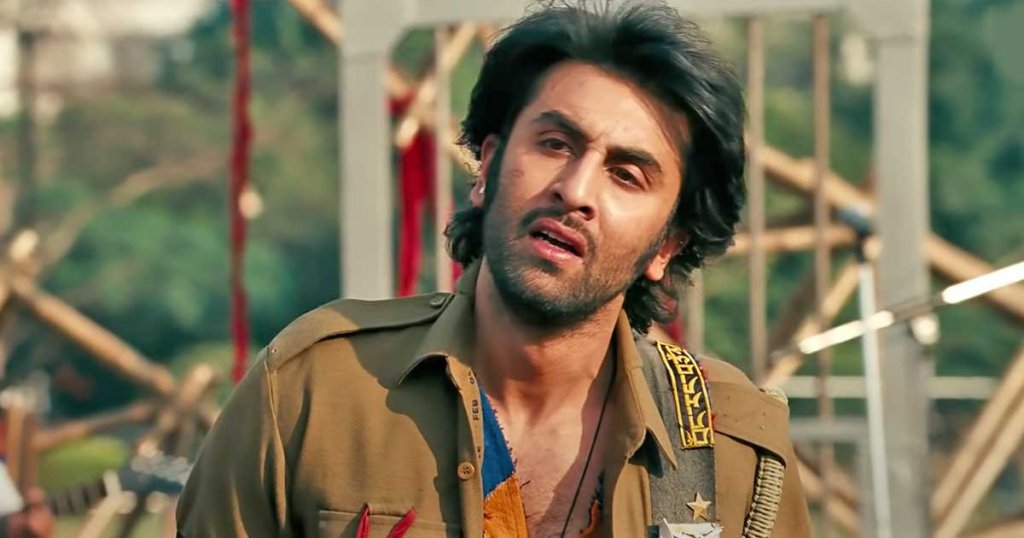
‘Rockstar’ is another example of a film that expresses longing and loss, showcasing Jordan (played by Ranbir) in an evolution of emotional pain, starting as confusion, moving to obsession, and finally manifesting into something almost destructive. The unpredictability of his performance is what makes it beautiful; he can be quiet with almost no emotion one minute and then, in the next minute, erupt in anger, feeling lost, and in desperation.
The performance is chaotic, but it never comes off as over the top. You don’t just see how broken his heart is; you actually feel the effects of his heartbreak after you finish watching it.

Then just when you think you know how far he can take you; he gives you ‘Barfi!’. A character who doesn’t speak but can convey everything he is trying to say. In his performance, Ranbir expresses innocence, vulnerability, and joy wrapped together. But there is also a subtle ache behind that charm. His performance does not rely on dialogue, but instead relies on his ability to express himself purely through expression, movement, and timing. It’s a different kind of heartbreak, the kind that sneaks up on you. Most of the film, you will find yourself smiling, only to realise later how deeply it affected you.


What makes these performances linger is not only the script but also how Ranbir portrays emotion. He does not showcase emotion simply to impress the audience; he allows them to be accepted and respected, even if they portray weakness, confusion, or brokenness in characters.
And that’s rare because male leads in Bollywood are typically packaged neatly, controlled, heroic, even in pain. Ranbir Kapoor, however, breaks that pattern. He allows his characters to be flawed, unsure, and at times, completely lost. And long after the film ends, his characters don’t just stay in your mind; they stay somewhere deeper, harder to shake off.