

Business
Airlines offer up to Rs. 50 lakh joining bonuses to pilots as FFTL norms loom large

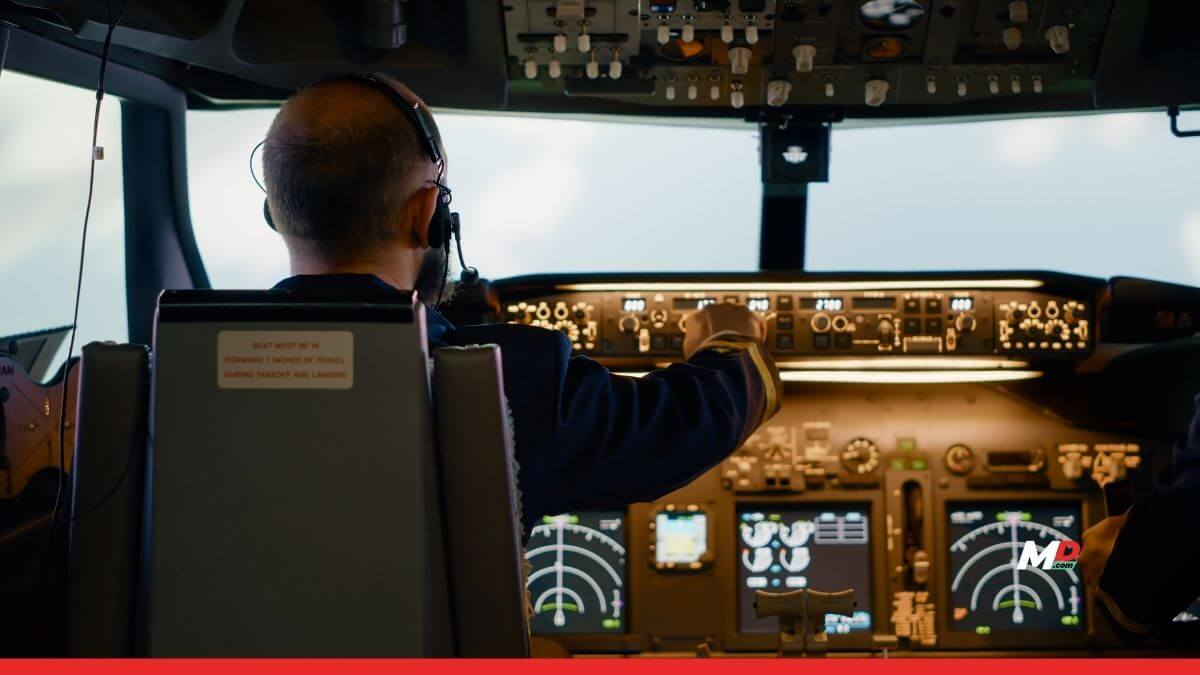
The Indian skies are witnessing a fierce new battle, but this one is being fought on the ground rather than in the air. A brewing aerial dogfight for experienced captains has erupted between market leader IndiGo and the resurgent Air India group, triggered by the implementation of stricter Flight Duty Time Limitation (FDTL) norms. The desperation to secure command-level talent has driven joining bonuses to an unprecedented Rs 50 lakh, signaling a frantic shift in the industry’s human resource strategy.
Also read: IndiGo Slots Shift as Government Cracks Down
The catalyst for this high-stakes talent war is the Directorate General of Civil Aviation’s revised FDTL mandate. By increasing the weekly mandatory rest period for pilots from 36 to 48 hours and capping night landings to just two, the regulator effectively reduced the utilization rate of every single pilot in the country. For airlines operating on razor-thin margins and tight rosters, this mathematical reality was immediate and brutal. To fly the same schedule, carriers now require significantly more pilots.
IndiGo found itself at the epicenter of this crisis earlier this month. The carrier, which commands over 60 percent of the domestic market, faced a scheduling collapse that led to mass cancellations. The airline had to commit to the regulator that it would induct 100 pilots in January alone to stabilize operations. This defensive scramble has forced its usually conservative finance teams to loosen the purse strings.
On the other side of the tarmac is Air India. The Tata-owned carrier is not just hiring for current stability but is aggressively stockpiling talent for its future fleet. With new widebody aircraft scheduled for induction throughout next year, Air India cannot afford to be caught in the same pilot-shortage trap that ensnared its rival. The airline has launched a preemptive strike, issuing advertisements and reportedly making cold calls to senior commanders with offers that were unimaginable just a few years ago.
Industry insiders note that human resource departments, which traditionally held the upper hand in negotiations, are now on the back foot. A senior airline official candidly admitted the severity of the shortage by asking where they were supposed to find captains when experienced availability is set to become acute. This sentiment is backed by reports of captains receiving calls promising joining bonuses of up to Rs 50 lakh. To put this in perspective, previous poaching wars saw bonuses in the range of Rs 15 lakh to Rs 25 lakh, primarily calculated to cover the bond payments owed to the previous employer.
The current bidding war is further complicated by external pressure. It is not just a domestic tussle; Indian carriers are simultaneously fighting off lucrative, tax-free offers from Middle Eastern and Vietnamese airlines. Captain Shakti Lumba, a former vice president at both airlines, observed that unless domestic carriers significantly improve working conditions and pay structures, they will fail to stem the exodus to foreign shores.
This tug-of-war represents a significant power shift. For years, pilot salaries were stagnant or slow-moving relative to inflation. Now, with safety norms strictly limiting fatigue and flight hours, the economic value of a certified commander has skyrocketed. As the summer schedule approaches, this fifty-lakh dogfight is likely just the opening salvo in a long, expensive battle for control of the cockpit.