

Business
Union Budget 2026: The Industry verdict is in


The corporate verdict on Union Budget 2026 is largely one of relief and reassurance. Industry leaders across sectors have welcomed the Finance Minister’s decision to prioritize policy continuity over populist measures. The recurring theme in boardroom reactions is “stability.”
Executives have lauded the 9% hike in capital expenditure to ₹12.2 lakh crore, viewing it as a necessary anchor for sustaining the investment cycle. The strategic pivot from mere capacity creation to “capability building”—evident in the Semiconductor Mission 2.0 and Biopharma Shakti initiatives—has been widely praised as a move towards genuine industrial sovereignty.
While the hike in Securities Transaction Tax (STT) caused a temporary flutter in the markets, the broader sentiment remains bullish. The consensus is that by balancing fiscal prudence with targeted incentives for MSMEs and digital infrastructure, the Budget successfully lays the groundwork for a competitive, future-ready economy without disrupting the status quo.
Manish Jain, Managing Director & CEO, Bajaj Broking
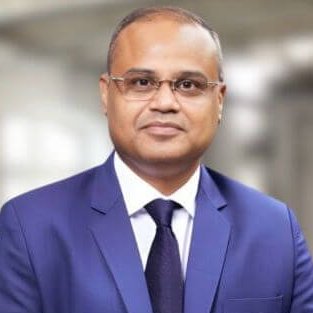
“From a capital markets point of view, Budget 2026 is all about building on the confidence factor rather than focusing on short-term momentum. The glide path on fiscal deficit, the commitment to capital expenditure of ₹12.2 lakh crores, and the overall focus on manufacturing-driven growth indicate stability in the overall macro framework of India. From a capital markets point of view, this provides a conducive environment for long-term capital formation and visibility.
Overall, the focus on infrastructure, semiconductors, bio-pharma, and strategic manufacturing is a positive factor for the overall investment story of India and broadens the investment universe beyond a specific set of sectors. Although increased transaction costs in specific sectors of the capital markets may affect trading sentiment, overall continuity and fiscal prudence would be much more important factors for long-term investors. We expect the capital markets to increasingly reward quality, balance sheet, and businesses that are structurally aligned with India’s growth themes.”
Ajay Menon, MD & CEO – Wealth Management, Motilal Oswal Financial Services

“Indian equities ended sharply lower as the Finance Minister proposed an increase in the STT on F&O transactions in the Union Budget 2026. Higher STT directly impacts the trading profitability for active participants and raises concerns around liquidity and volume growth. This triggered a strong selling pressure in Capital Market stocks including brokerages and exchanges. Benchmark Nifty50 plunged 593 points to close at 24,825 (-2.3%). The broader market also reacted negatively, with Nifty Midcap100 and Smallcap100 declining 2.2% and 2.7% respectively.
On the sectoral front, Data Centre and AI-linked stocks gained as the Budget proposed a tax holiday till 2047 for foreign companies providing cloud services globally from data centres based in India. In contrast, shares of defence companies fell sharply, as the government’s capex plans for the sector failed to meet market expectations. Pharma and healthcare stocks reacted positively, driven by measures such as launch of Biopharma Shakti (₹10,000 crore outlay over five years) to build a global biologics and biosimilar hub, along with over 1,000 accredited clinical trial sites to accelerate drug approvals and boost R&D activity.
Additionally, plans to develop five medical value tourism hubs in partnership with private hospitals are supportive for leading hospital chains. Capital expenditure was raised to a record ~₹12.2 lakh crore to drive infrastructure development and job creation. India’s FY27 real GDP growth was projected at 6.8–7.2% (vs 6.3-6.8% in FY26), while the fiscal deficit was pegged at ~4.3% of GDP, keeping debt-to-GDP on a declining path (at 55.6% in FY27). Overall, the Budget prioritised productivity-led growth with fiscal discipline, infrastructure expansion, supply-side reforms, and strategic sector support amid global uncertainties, focusing on long-term investment over short-term relief.
Going ahead, we expect the market to remain subdued in the near term amid weak investor sentiments, though attention is likely to shift from headline announcements to the Budget’s fine print. This, along with the upcoming earning announcements and global market cues would lay a key role in shaping market direction.”
Vineet Mittal, Chairman, Avaada Group
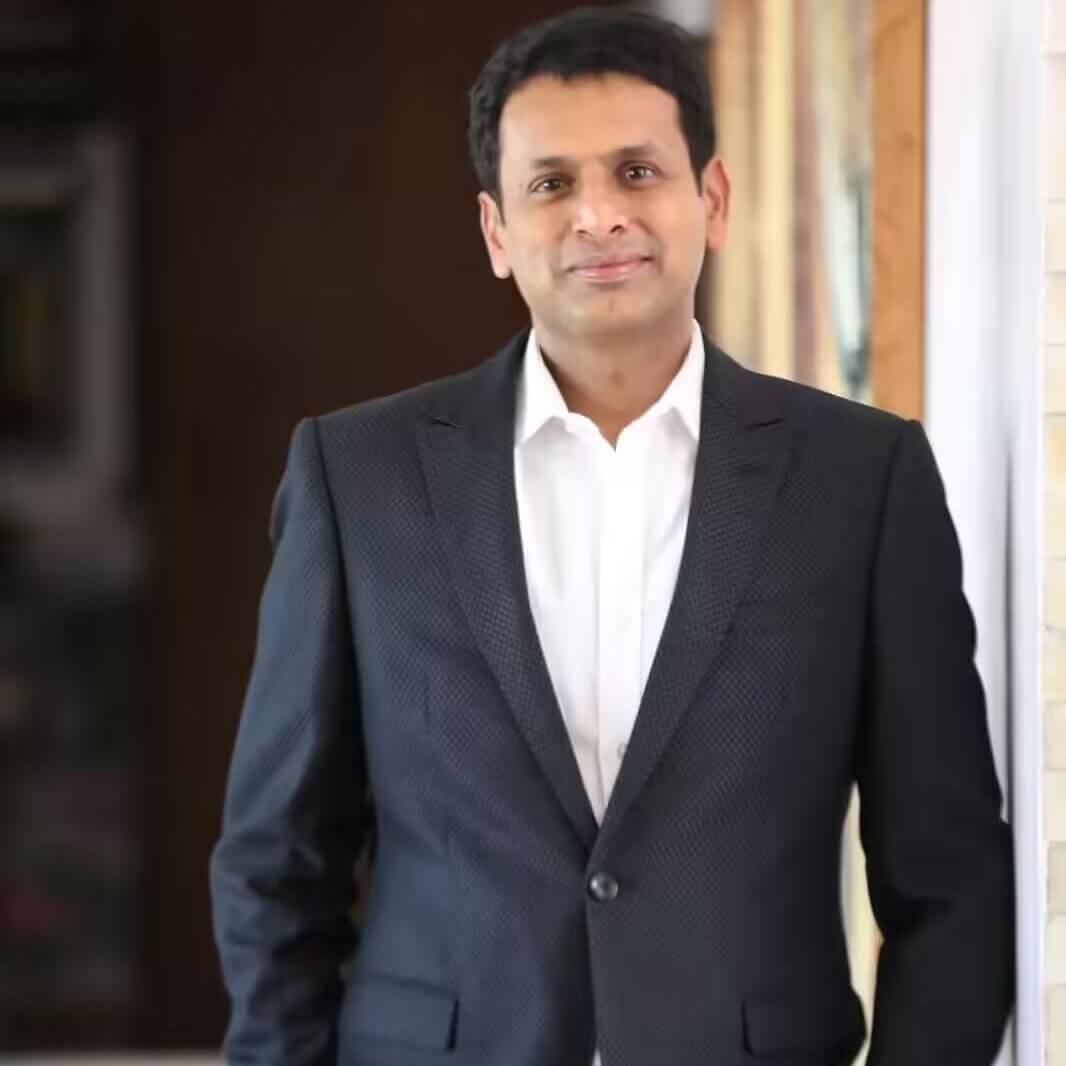
“Budget 2026–27 strikes balance between ambition, growth and discipline. With sustained public capex of ₹12.2 lakh crore, a clear fiscal consolidation path, and reforms like the Infrastructure Risk Guarantee Fund, it focuses on building long-term productive capacity rather than short-term stimulus. The emphasis on infrastructure, MSME scaling, transport, digital and logistics readiness sends a strong signal that India is investing for durable growth, competitiveness, and investor confidence”
Arjun Bajaj, Director, Videotex

“The Budget is a positive step for the consumer electronics industry, with the introduction of ISM 2.0 and a significant increase in the outlay for the Electronics Components Manufacturing Scheme to ₹40,000 crore, along with support for the rare earth permanent magnet ecosystem. These measures are expected to strengthen the sector over the long term. Overall, the Budget’s emphasis on skill development, domestic manufacturing, and infrastructure lays a strong foundation for innovation and long-term competitiveness across the electronics ecosystem.”
Dhruv Gupta, Co-founder, Orange Health Labs

“We welcome the future-forward Union Budget from a healthcare perspective; it outlines a strong vision for India’s healthcare and life sciences ecosystem, with diagnostics set to play a crucial role in advancing innovation, quality care, and global competitiveness. As part of a major effort to establish India as a global biopharma manufacturing hub, the ₹10,000-crore Biopharma Shakti initiative will strengthen India’s goal to lead healthcare innovation. Furthermore, the proposed expansion of NIPERs, creation of 1000 accredited clinical trial sites, and strengthening of CDSCO signal the alignment of India’s healthcare ecosystem with global standards.
The government’s focus on evaluating the impact of emerging technologies such as artificial intelligence on jobs, along with upgrading allied health institutes and NQSF-aligned skilling programmes, is a timely step toward developing a multi-skilled healthcare workforce crucial for improving patient outcomes across the country. The announcement of five regional hubs for medical tourism, new Ayurveda institutes, expansion of allied health disciplines, and upgradation of AYUSH pharmacies and testing laboratories are particularly encouraging steps that will help improve standardisation, quality assurance, and workforce readiness across traditional and integrative care. Strengthening the WHO Global Centre for Traditional Medicine further reinforces India’s leadership in evidence-based traditional medicine.
The exemption of customs duty on cancer drugs and additional rare disease imports is a welcome, patient-centric move that improves access to life-saving therapies, where timely and accurate diagnostics are essential for effective treatment decisions.”
Deepali Dev, COO of ECOS (India) Mobility and Hospitality Limited

“The Union Budget 2026–27 presents a balanced and forward-looking roadmap for strengthening India’s infrastructure-led growth while boosting mobility, tourism potential and service-sector employment. The continued emphasis on public capital investment, with effective capex rising to ₹17.14 lakh crore, alongside improved transport networks and last-mile connectivity, will enhance the efficiency and reliability of travel and mobility ecosystems nationwide.
The Budget’s focus on logistics improvements, multimodal transport integration and urban infrastructure aligns well with the evolving needs of India’s corporate mobility and hospitality sectors. Enhanced allocations for transport, urban renewal and centrally supported schemes will support smoother movement of people and goods, reduce congestion and promote more sustainable mobility outcomes.
Equally important are measures to simplify compliance, encourage formalization and strengthen MSMEs, fostering a more trust-based regulatory environment that enables service-oriented enterprises to scale with confidence. Overall, the Budget reinforces India’s journey towards a globally competitive, service-driven economy and opens new avenues for organized mobility and hospitality providers.”
Bala Ramajayam, Founder and Managing Director, G Square Group
“We congratulate the government on presenting a forward-looking Union Budget that reinforces infrastructure as a foundation for sustainable real estate growth. The Budget provides a strong tailwind for the real estate sector in Tamil Nadu, especially in Chennai and emerging growth corridors across the state.
The continued focus on infrastructure development, city economic regions, Tier I and Tier II cities, and improved connectivity will accelerate planned urban expansion and enhance the attractiveness of well-developed residential locations.
Measures to unlock real estate assets through REITs, reduce construction-phase risks for infrastructure projects and simplify property transactions involving non-residents will further strengthen ease of doing business and market transparency. Importantly, the emphasis on sustained public investment and economic stability will help improve affordability and boost homebuyer confidence.
For plotted development, this creates an enabling environment for first-time buyers and long-term investors seeking accessible, well-connected and value-driven housing options.”
Deepak Acharya, CEO of INOX India Limited

“The Union Budget 2026–27 sets an ambitious stage for India’s emergence as a powerhouse of advanced manufacturing and next-generation energy systems. By prioritising long-term capital investment and accelerating the build-out of national infrastructure, the Budget lays the foundation for India to lead in technologies that will define global industry for decades.
The Budget’s sustained focus on energy through increased support for infrastructure, technology, and critical industrial sectors reinforces India’s commitment to expanding reliable, low-carbon capacity while accelerating the shift toward cleaner fuels and future-ready technologies. These measures create a stable policy environment for investments in areas such as cryogenics, clean fuels, renewable energy components and high-value industrial equipment.
The enhanced fiscal space created through substantial resource transfers to states ₹25.43 lakh crore in FY27 will further enable state governments to advance clean-energy projects, industrial corridors, and large-scale infrastructure that support India’s growing energy and manufacturing needs.
Overall, the Budget strikes a prudent balance between fiscal responsibility, structural reforms and targeted public investment. It lays a strong foundation for accelerating India’s energy transition, scaling advanced manufacturing, and building resilient infrastructure areas where INOX India remains deeply committed to contributing with world-class engineering and technology.”
Arif Aga, Director, SgurrEnergy

“The strong emphasis on capacity building through the National Centres of Excellence for Skilling—including collaborations in sectors like renewable energy—is vital for equipping the nation with the specialized workforce needed to deploy large-scale solar, wind, green hydrogen, and other clean energy projects, while optimizing renewable energy generation and integration.
This commitment will play a key role in achieving India’s target of 500 GW capacity by 2030, all while ensuring cost efficiency and supporting the broader transition to a sustainable, low-carbon energy future.”
Sunil Nair, CEO, Ramky Infrastructure Ltd.

“The Union Budget 2026 underscores a clear continuity of confidence in India’s infrastructure growth story. The proposal to establish an Infrastructure Risk Guarantee Fund is a particularly forwardlooking intervention, it directly addresses one of the biggest hurdles in the sector: risk perception during the early stages of project development and construction. By offering partial credit guarantees to lenders, the Fund will not only ease financing bottlenecks but also embolden private players to invest in new, largescale projects with greater assurance.
Equally significant is the government’s move to accelerate asset monetisation through dedicated Real Estate Investment Trusts (REITs) for Central Public Sector Enterprise (CPSE) owned real estate. This will unlock dormant capital, enhance liquidity in the system, and catalyse a new wave of investments across allied sectors like logistics, housing, and industrial infrastructure.
Complementing these reforms, the Budget’s thrust on industrial infrastructure through the Chemical Park and bulk drug park, Biopharma Shakti schemes enhances India’s manufacturing and innovation ecosystem. The Chemical Park and bulk drug park will create plugandplay clusters to boost domestic chemical production and reduce imports, while the ₹10,000 crore Biopharma Shakti initiative aims to build a globally competitive biopharma ecosystem through new NIPERs, clinical trial networks, and upgraded regulatory standards.
Finally, with a proposed capital expenditure of ₹12.2 lakh crore for FY 202627, the Budget reaffirms infrastructure as the backbone of India’s economic momentum. These measures together create a balanced ecosystem, derisked, capitalefficient, and geared towards sustainable, highvelocity growth. For developers like Ramky Infrastructure, this paves the way for deeper partnerships in nationbuilding.”
Rakesh Goyal, Director, Probus
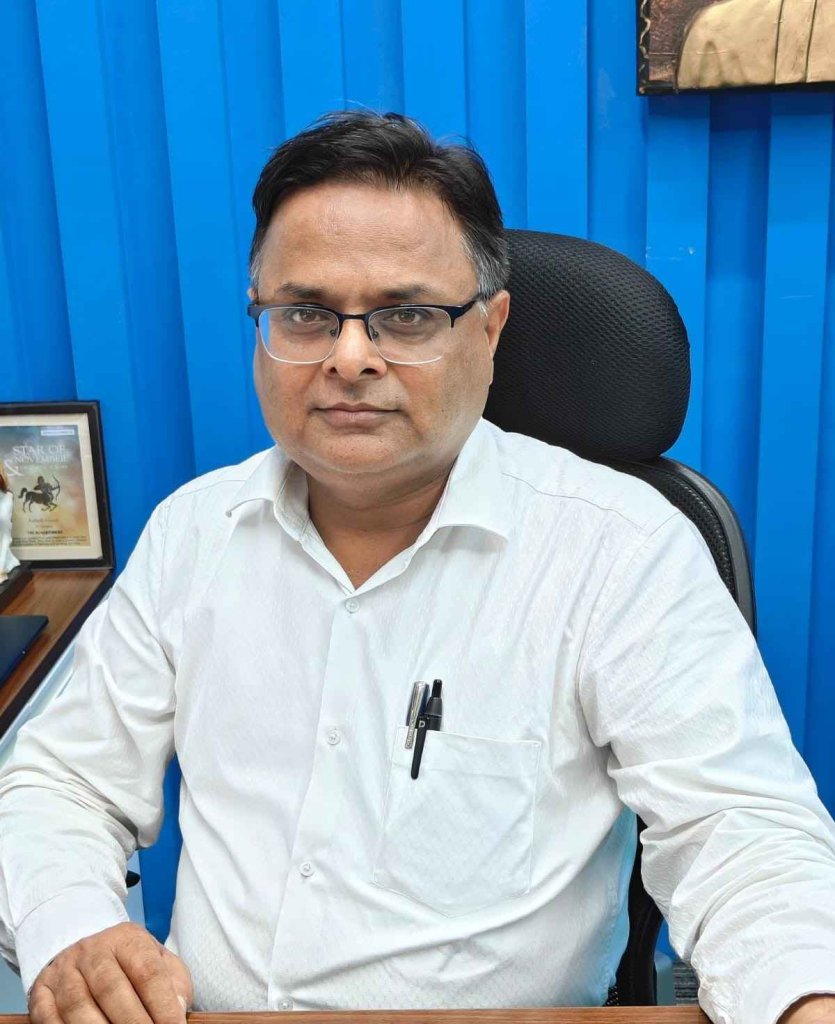
“Instead of looking for headlines, this Budget focuses on staying the course and keeping the economy on a steady path. By removing TDS on Motor Accident Claims Tribunal (MACT) interest, the government has provided direct, compassionate relief to accident victims, a move that humanizes our financial regulations.
While we await further movement on GST rationalization for health premiums, the Budget’s massive push for Regional Medical Hubs and caregiver training provides the infrastructure needed to control medical inflation from the supply side. For the insurtech ecosystem, the commitment to Digital Public Infrastructure is the true headline; it creates a transparent environment where we can move from ‘claims processing’ to ‘true risk prevention’. Overall, this Budget keeps the industry on track for the ‘Insurance for All by 2047’ goal by building the foundational trust and infrastructure the sector requires.”
Naman Jain, Education Policy Expert and Vice Chairman, Silverline Prestige School

“The government’s renewed emphasis on education with a strong push for skill-building, design labs, and digital innovation marks a real turning point for India’s educational and skilling landscape. We welcome this visionary approach. The announcement of AVGC Content Creator Labs in 15,000 secondary schools and 500 colleges signals a commitment to moving beyond rote learning and equipping students with real-world skills that match today’s industry needs.
However, the real challenge lies in making sure these opportunities reach every student, not just those in a select few schools. The true measure of success will be how well we close the gap between what’s taught in classrooms and the expectations of the modern workplace. If implemented well, these commendable initiatives can transform India’s education system into a true engine of innovation, employability, and opportunity for all.”
Vikram Subburaj, CIO, Giottus.com

“The Union Budget signals a clear commitment to future-facing technologies. There is a ₹2,000-crore allocation to the IndiaAI Mission. A new Centre of Excellence in Artificial Intelligence, focused on education and skilling, will get ₹500 crore. This proposal sits alongside a plan to catalyse deep-tech innovation through pooled funding mechanisms. This underscores the government’s intent to strengthen foundational digital infrastructure. In that context, blockchain can reasonably be viewed as part of the deep-tech stack where protocol-level technology underpins trust, data integrity, and programmable value transfer.
For the crypto sector, the takeaway is not immediate price impact but long-term enablement with stronger domestic R&D, deeper talent pipelines, and improved infrastructure for building regulated, India-first use cases. As with AI, the real value of blockchain lies beyond speculation. It will be especially vital for enterprise adoption and for building a secure financial infrastructure. That alignment will matter far more over the next decade than short-term market cycles.”
A Vikram Joshe, Founder, WAE Ltd.

“The Union Budget 2026–27 offers incremental calibration rather than structural relief for India’s SME sector. The headline ₹10,000-crore SME Growth Fund marks a policy shift toward equity and scale-oriented financing, but its reach is inherently limited. It will benefit a narrow cohort of formal, growth-ready firms, while the vast majority of micro and small enterprises, still grappling with thin margins, volatile demand, and delayed payments, remain largely untouched.
Liquidity reforms around TReDS are directionally sound, yet experience suggests platforms alone cannot correct entrenched power asymmetries between large buyers and small suppliers. Without strict enforcement of payment discipline, working-capital stress will persist. Importantly, the budget underplays demand-side constraints, tax complexity, and compliance friction, factors that matter more than capital availability in the post-COVID landscape.
In essence, this is a selective growth budget, not a broad-based SME revival plan. It advances long-term formalisation, but does little to alter the immediate ground reality for most SMEs.”
Vishnu Manchu, Pro Chancellor, Mohan Babu University

“Budget 2026 marks a positive step towards preparing students for the future by enhancing access, skills, and technology awareness in higher education. The proposal to set up a high-level committee to assess the impact of emerging technologies like AI on jobs and skills, along with initiatives such as expanded content labs, provides a foundation for more AI-enabled learning and skill-building aligned with evolving employment needs.
The plan to establish girls’ hostels in every district addresses a critical access gap, enabling more women to pursue higher education and long-term academic pathways. Together, these measures create an environment where students are better equipped with practical skills and adaptability as they contribute to India’s future workforce.”
Sonali Chowdhry, CEO, OfficeNet

“The budget sends a strong and positive signal for India’s software and services ecosystem. Measures that bring greater clarity and ease for IT and software service providers will enable companies to scale with confidence while staying focused on innovation. As an HRMS solution provider, this creates a clear catalyst for accelerated digital adoption across enterprises.
The emphasis on women entrepreneurship, skilling, and education for girls is equally encouraging, as it strengthens the foundation for a more inclusive and diverse workforce. Supporting women-led businesses and investing in future-ready skills will drive higher participation while enhancing productivity and long-term growth. Overall, the budget is well aligned with building a resilient, technology-driven, and gender-inclusive services economy.”
Jitendra Kumar Agarwal, Joint Managing Director, Genus Power Infrastructures Limited
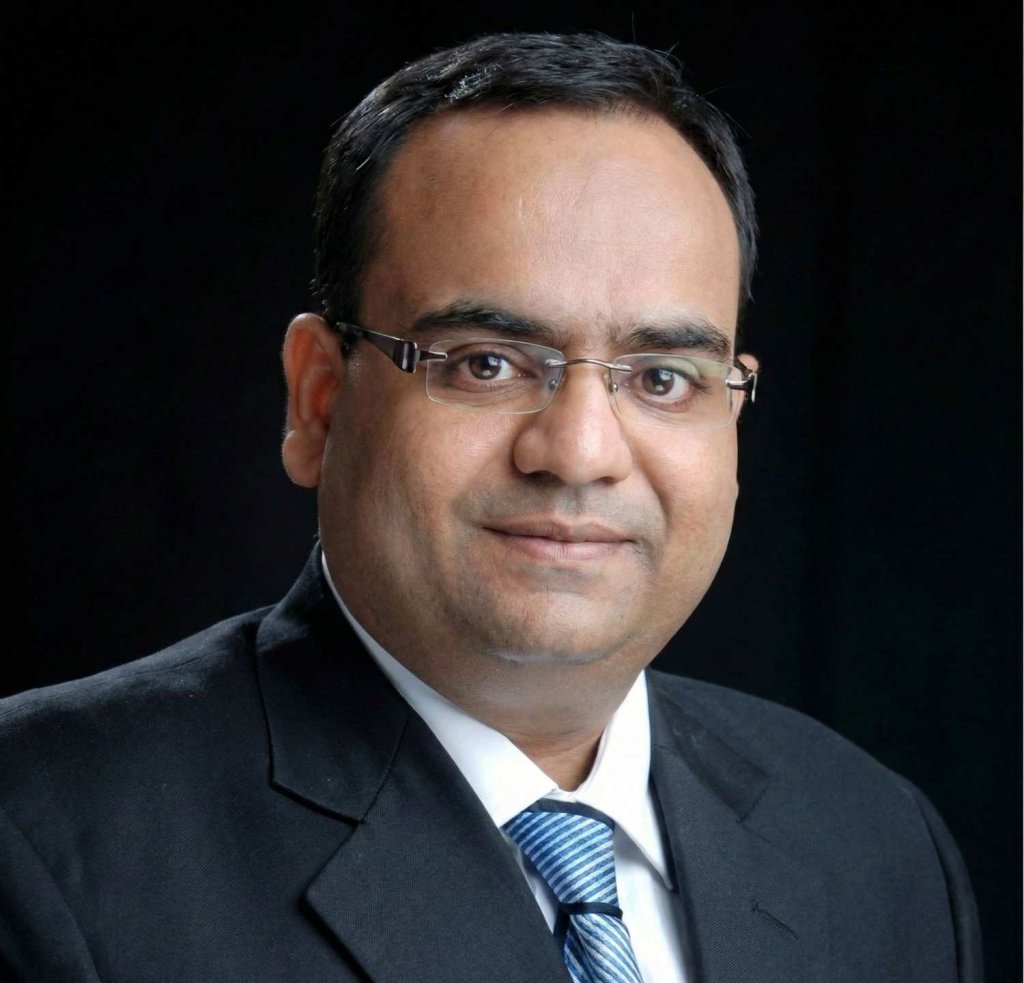
“Union Budget 2026–27 reinforces India’s medium-term growth trajectory by combining fiscal consolidation with a sustained public capex outlay of ₹12.2 lakh crore, providing long-term visibility for infrastructure and energy investments.
From an energy perspective, the Budget’s focus on system resilience is particularly relevant. As renewable capacity scales rapidly, grid-scale Battery Energy Storage Systems will be essential to manage variability and ensure dependable power delivery. Extending basic customs duty exemption to capital goods used for manufacturing battery energy storage systems is a material step toward accelerating deployment and lowering system costs.
Energy diversification is further strengthened through customs relief for solar manufacturing inputs and a ₹20,000-crore, five-year commitment for carbon capture, utilization and storage. At scale, this reinforces the need for reliable, technology-enabled power systems to anchor India’s evolving industrial base and energy ambitions.”
Praveen Kakulte, Founder and CEO of POWERCON Group

“The Union Budget 2026–27 sets the stage for India to achieve energy security, climate goals, and a future-ready, low-carbon economy. With a ₹20,000 crore allocation for Carbon Capture and Storage technologies, the government signals strong financial and policy support to reduce greenhouse gas emissions, particularly carbon dioxide from coal-based power, transport, and industry.
The focus on scaling renewables i.e. wind, solar, and battery technologies alongside energy storage systems aims to address the current gap between installed power capacity and actual energy generation, strengthening reliance on non-fossil fuel sources. While conventional fuel sources continue to stay, these measures pave the way for a cleaner, more reliable energy mix.
‘Inclusivity’ through MSMEs and women entrepreneurs from the tier-2 & tier-3 sector, this budget motivates the Power sector while creating avenues to lit every Indian home with clean, reliable and affordable energy!”
Dr. Anand Achari, Principal, Vivekanand Education Society’s College of Architecture
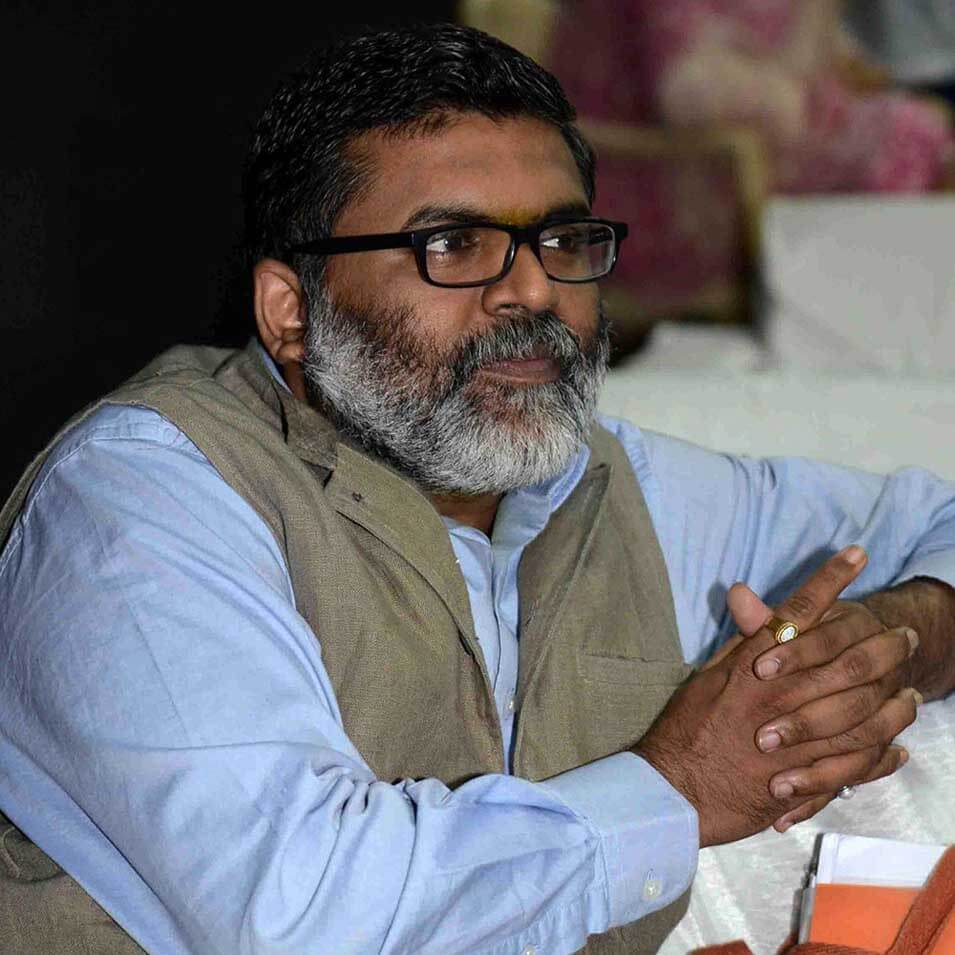
“Budget 2026’s emphasis on higher education is a significant step forward, with a special focus on the pharma and health sectors. Initiatives such as the rollout of five new university townships, establishing a National Institute of Design in the Eastern region, and the plan to build a girls’ hostel in every district reflect a strong commitment to inclusive, regionally balanced, and accessible education.
In parallel, integrating AI into the school curriculum is a game-changer, preparing students for the future of work. The Education-to-Employment and Enterprise Standing Committee will further bridge the gap between learning and industry needs.”
Aditya Pande, Group Chief Executive Officer, InterGlobe Enterprises

“The Union Budget outlines a strong, forward-looking roadmap toward a Viksit Bharat by 2047. We welcome the government’s continued focus on strengthening India’s travel, tourism, and hospitality ecosystem through improved connectivity, accessibility, and destination infrastructure. The emphasis on skill development, heritage, and ecotourism reflects a deep understanding of the sector’s economic potential. These measures will boost demand, support local economies, and strengthen India’s position as a global hub for high-quality hospitality and travel.”
Dr. Meenesh Shah, Chairman, National Dairy Development Board (NDDB)
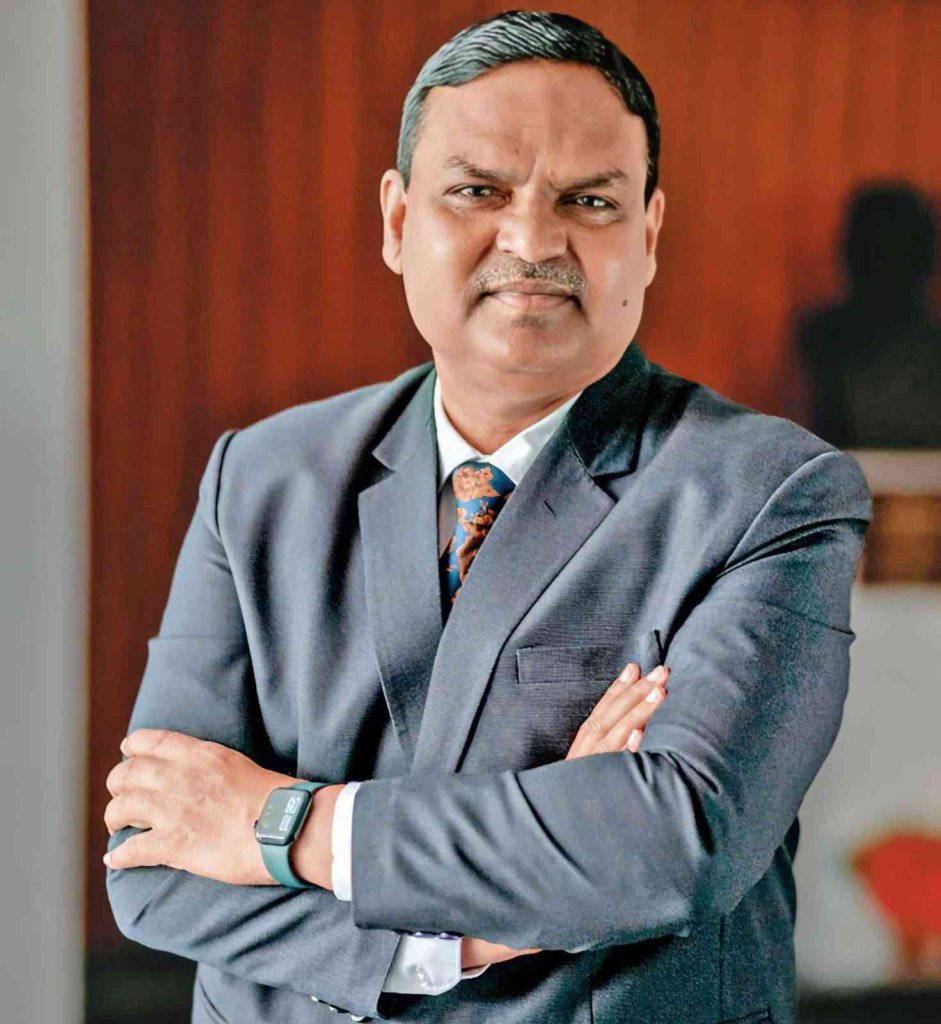
“The Union Budget 2026-27 is truly transformative. Its initiatives to enhance farmers’ incomes, promote entrepreneurship in animal husbandry and dairying and strengthen cooperatives are key steps toward realising the vision of Viksit Bharat 2047 and fostering inclusive economic growth.
Recognized as the growth engine of agriculture and allied activities providing livelihoods to rural households, the animal husbandry sector has received a significant boost in the Union Budget 2026–27, with an allocation of Rs 6,153.46 crore – up 16% from last year. The Budget also announced a Rs 500 crore Integrated Scheme for Entrepreneurship Development to expand employment through credit-linked subsidies, modernise livestock enterprises, build integrated dairy and poultry value chains and promote Livestock Farmer Producer Organisations, thereby fostering entrepreneurship and rural development.
The Budget will add 20,000 veterinary professionals and through a loan-linked subsidy scheme, support new veterinary and paravet colleges, hospitals, labs, and breeding facilities. Targeting India’s 53 crore livestock, including 30 crore dairy animals, the initiative also encourages global collaborations to drive innovation, and is a milestone for the sector.
In addition to the existing provision allowing full deduction of profits and gains for primary cooperative societies engaged in supplying milk, oilseeds, fruits, or vegetables raised by their members, this benefit has now been extended to cattle feed. With primary cooperatives selling about 102 lakh metric tonnes of cattle feed annually, this move will significantly reduce their tax burden, ensuring better returns for farmer members. India’s dairy cooperatives already return over 75% of the consumer rupee to producers, and this initiative will further enhance pay-outs, putting more money directly into farmers’ hands.
We welcome the Budget move allowing inter-cooperative society dividend income as deduction under the new tax regime to the extent it is further distributed to its members, fostering investments in multistate cooperatives under Sahkar se Samriddhi. A three-year exemption on dividend income for notified national cooperative federations on their investments made in companies up to 31.01.2026, if further distributed to its members cooperatives, will further strengthen profitability and enable higher pay-outs to member institutions.
The Centralized Bio-CNG Model turns dairy waste into clean transport fuel and organic fertilizer, advancing circular economy goals. As announced in the Union Budget, the entire value of biogas while calculating the Central Excise duty payable on biogas blended CNG to be excluded which will be a major boost for scaling large Bio-CNG models nationwide, strengthening sustainability and promoting natural farming through organic fertilizer by-products.
In a nutshell, the Union Budget 2026–27 is one that ticks all the right boxes – providing impetus to agriculture, dairy and allied sectors, improving capital efficiency, reducing tax distortions across cooperatives and thereby boosting farmers’ incomes and employment opportunities.”
Divyajot Ahluwalia, Director at wTvision Solution Pvt. Ltd.

“The most consequential aspect of this Budget for the sports sector is its emphasis on continuity and system-building rather than isolated interventions. A decade-long roadmap through the Khelo India Mission acknowledges a long-standing reality that athlete development, infrastructure creation and industry growth cannot be achieved within short policy cycles. Equally significant is the recognition of sport as an economic sector, particularly through the focus on domestic manufacturing of sports equipment and an emphasis on structured leagues, competitions and sporting events. Well-organised and high quality broadcast competitions play a central role in building fandom, which is often the starting point for participation leading to a bigger shift.
With the right ecosystem in place, combining athlete development, competition structures and broadcast-led reach, these efforts have the potential to deliver the outcomes our government is aiming for. This is a direction that strengthens the sports system as a whole, and one that we stand firmly behind, committed in spirit and action, to help Indian sport grow in depth, relevance and scale, to a position of undisputed leadership.”
Nikhil Barshikar, Founder & CEO of Imarticus Learning and Chairman of the Advisory Council at Imarticus School of Finance & Business

“The Union Budget 2026–27 signals a transition from reactive skilling to proactive human capital engineering through the new ‘Education to Employment and Enterprise’ (E2E) framework.
A cornerstone of this vision is the institutionalisation of a ‘Corporate Mitra’ cadre, accredited para-professionals trained via short-term, modular courses designed by premier bodies like ICAI, ICSI, and ICMAI.By deploying these specialists specifically in Tier 2 and Tier 3 cities, the government is addressing the ‘compliance-capability gap’ that hinders MSME scalability.
This is not merely an educational update; it is a three-pronged economic strategy that links equity via the new ₹10,000 crore SME Growth Fund with professional handholding to ensure our workforce is resilient against AI-led disruptions and capable of capturing 10% of the global services market by 2047.”
Anand Dubey, CEO, Indkal Technologies.

“The Union Budget 2026-27 is a definitive statement of intent that pivots the Indian electronics sector from assembly to deep-value creation. By significantly enhancing the outlay for the Electronics Components Manufacturing Scheme to ₹40,000 crore and launching the India Semiconductor Mission (ISM) 2.0 with a focus on equipment and materials, the government has addressed the most critical need of the hour: securing the upstream supply chain.
For the consumer durables industry, the specific duty exemptions on key components for appliances like microwave ovens and the introduction of safe harbour provisions for component warehousing will drastically improve operational efficiencies and just-in-time manufacturing. These structural reforms are not just about ‘Make in India’ anymore; they are about empowering homegrown brands to design, engineer, and manufacture products that command respect on the global stage. We are now looking at a decade where Indian brands will not just meet global standards but set them.”
Vinesh Gupta, General Manager, the Den Hotel Bengaluru

“The Union Budget 2026-2027, sends a positive signal in recognising tourism and hospitality as key drivers of employment and regional development. The move to elevate the National Council for Hotel Management into the National Institute of Hospitality is particularly encouraging, as it brings education closer to industry realities and evolving service expectations.
The emphasis on training 10,000 tourist guides, along with the introduction of the Digital Knowledge Grid, will strengthen destination storytelling and enrich how travellers experience India. Improved regional and transport connectivity will further enhance access to destinations and enable more balanced travel patterns.
Support for emerging segments such as medical tourism and astro-tourism is a timely step that can attract high-value, longer-stay guests, while the reduction in TCS on foreign tour packages is a welcome measure likely to boost travel sentiment and discretionary spending.
From our perspective at The Den, Bengaluru, these initiatives lay the groundwork for a more resilient hospitality ecosystem, one that stimulates demand while strengthening talent, service quality, and overall guest experience. Continued collaboration between policymakers and the industry will be essential to sustaining this momentum.”
Mahavir Goel, Chairman of Venkateshwarya International School (VIS)
“The Budget adopts a system-level approach to strengthening the education sector. It prioritises stronger school foundations through improved digital access, regional-language learning, and greater exposure to science and innovation. In higher education, the focus shifts towards advanced research, artificial intelligence, medical and professional training, and closer engagement with industry. By bringing schools, colleges and careers into closer alignment, the Budget positions education as a practical, outcome-driven system equipped to support India’s evolving economic and workforce needs.”
Prakash Keskar, Executive Director, WOTR
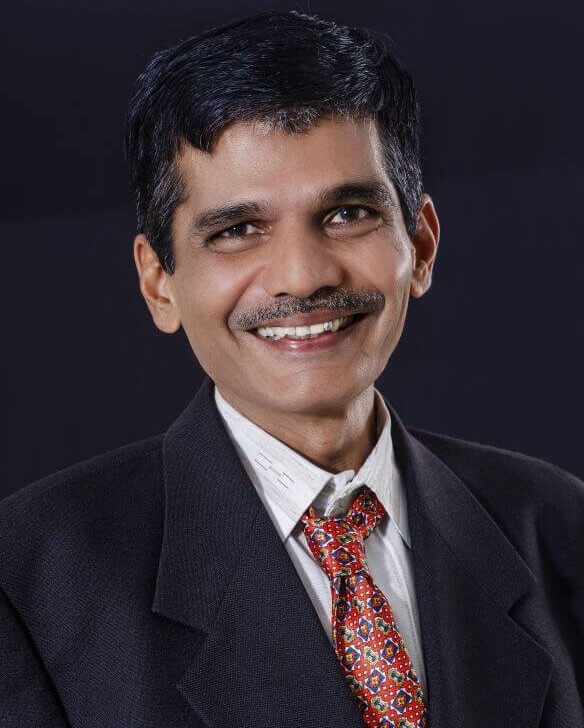
“The Union Budget 2026 emphasises targeted support for high-value agriculture to diversify farm outputs and increase farmers’ incomes, with a clear focus on crops such as coconut, cocoa, cashew, and sandalwood. This shift has the potential to be transformative for Particularly Vulnerable Tribal Groups engaged in small-scale cultivation and processing—for instance, the Soura community involved in cashew farming in Odisha.
Equally significant is the investment in the Bharat-VISTAAR application, which holds promise for democratising access to agricultural knowledge. Our experience with WOTR’s FarmPrecise application demonstrates that when hyper granular, customised digital intelligence is aligned with ecological understanding and community participation, it can enhance decision-making, reduce risk, raise incomes and build long-term resilience in farming systems.”
Ankit Patidar, Director & CMO, Shakti Pumps (India) Limited

“The Union Budget 2026 reinforces India’s long-term commitment to sustainable growth, manufacturing resilience, and clean energy transition. The continued thrust on renewable energy, domestic manufacturing, MSME support, and infrastructure-led development creates a strong foundation for companies like Shakti Pumps that are deeply invested in energy-efficient and solar-powered water solutions.
The emphasis on capital expenditure, rural empowerment, and technology-driven productivity aligns closely with our mission of enabling farmers through reliable solar irrigation while reducing dependence on conventional power sources. Measures supporting MSMEs, credit access, and manufacturing ecosystems will further strengthen India’s clean-tech supply chain and accelerate adoption at scale.
As India advances toward its 2030 renewable energy targets, we see this Budget as an enabler for innovation, localisation, and expansion. At Shakti Pumps, we remain committed to supporting government initiatives, while continuing to invest in advanced engineering, smart pumping technologies, and sustainable manufacturing to drive inclusive and climate-resilient growth.”
Sushilkumar Agrawal, Founder & CEO, Ultra Media & Entertainment Group
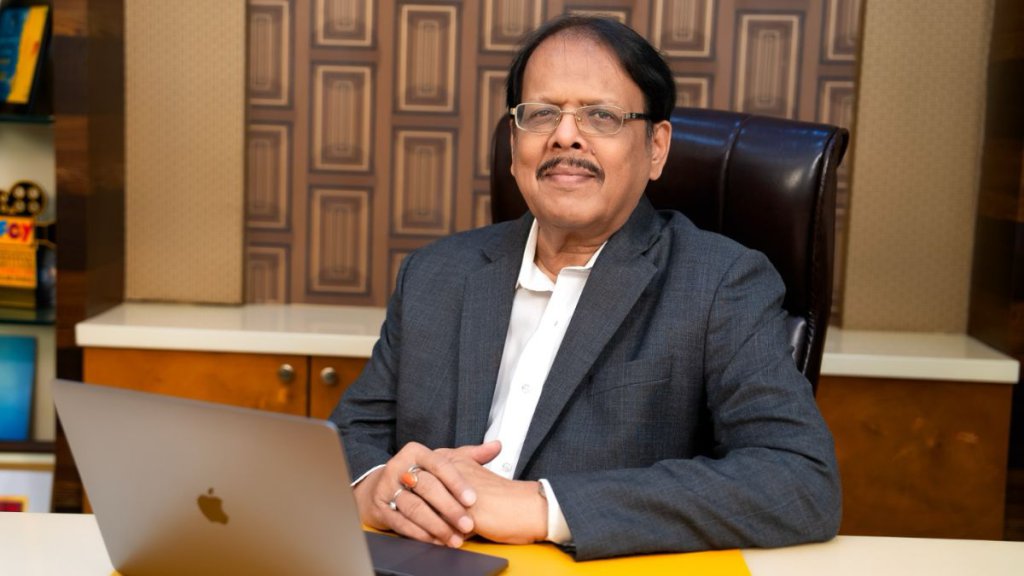
“The Union Budget 2026 reinforces the government’s long-term focus on the growth of technology in India’s media & entertainment ecosystem. By establishing the AVGC (Animation, Visual Effects, Gaming, and Comics) content creator labs in 15,000 secondary schools & 500 colleges nationwide in India will equip students with industry-relevant skills in animation, gaming, and visual effects. It will foster creativity & innovation & address talent shortages in the AVGC sector. It will also create a strong pipeline for future professionals & boost India’s creative economy. This move will indeed generate a huge employment opportunity with a tentative target of 2 million jobs by 2030).”
Ashok Rajpal, Managing Director, Ambrane India
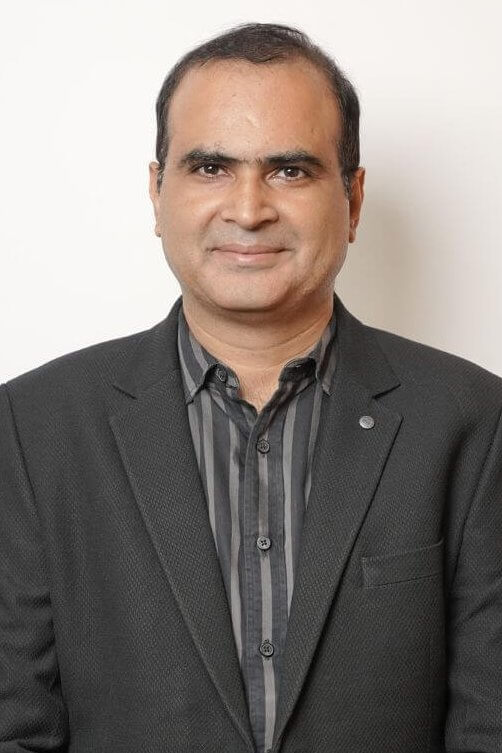
“Budget 2026 reinforces the government’s focus on strengthening India’s electronics manufacturing ecosystem. The continued push under ISM 2.0, together with the increased outlay for the Electronics Components Manufacturing Scheme and the reduction in duties on batteries, provides a more supportive environment for domestic powerbank and electronics manufacturers to scale operations and invest in innovation. These measures can facilitate faster capacity expansion, enhanced product development, and stronger integration into local value chains, reflecting the Finance Minister’s emphasis on self-reliance as a guiding principle for building domestic manufacturing capabilities and reducing import dependence”.
Alok K Singh, Chairman & CEO SNVA Traveltech
“The Union Budget 2026 takes several practical and forward-looking steps that directly enhance the travel experience while strengthening India’s tourism economy. The proposal to revise baggage clearance rules for international travel through enhanced duty-free allowances and clearer norms for temporary carriage of goods—addresses long-standing passenger concerns and brings greater transparency and convenience across the travel journey.
The Budget also provides much-needed clarity on the tax collection at source (TCS) framework for overseas tour programme packages, with 5% applicable on spends up to ₹10 lakh and 20% on amounts exceeding ₹10 lakh. This clarity enables better financial planning for travellers and tour operators, while supporting responsible and transparent spending.
As a Yuva Shakti–driven budget, it recognises tourism as a key pillar of India’s economic growth. Continued emphasis on tourism infrastructure, digital payments, skilling, and digital integration strengthens the sector’s role in employment generation and foreign exchange earnings. Initiatives such as training 10,000 tourist guides across 20 iconic sites and the creation of a National Destination Digital Knowledge Grid will enhance service quality, improve destination discovery, and support seamless digital experiences.
Overall, these measures empower travellers, support digital-first travel businesses, enable local tourism players to participate more effectively in the formal economy, and reinforce tourism’s contribution to inclusive growth and India’s global competitiveness.”