

Daily Feed
Ampere and Royal Challengers Bangalore Announce a Stylish and Sustainable Cheer Squad, First-of-its-kind in the History of T20 Cricket

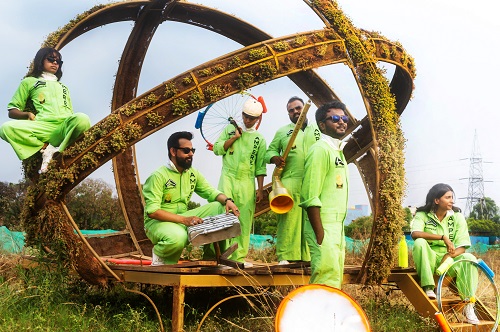
The Cheer Squad will be called the “Ampere Take Charge Squad” and will wear a sustainable, yet cool attire made of upcycled, recycled, and repurposed materials at the upcoming T20 tournament
Musical instruments used by the cheer squad will be made from scrap materials, including discarded parts of appliances and petrol vehicles
Ampere, the flagship electric two-wheeler brand from Greaves Electric Mobility Private Limited (“GEMPL”), and Royal Challengers Bangalore are bringing an electrifying combination of style and sustainability to the upcoming T20 cricket season with an extremely unique and purpose-driven cheer squad – the “Ampere Take Charge Squad” (Cheer Squad). Ampere is the official EV partner of Royal Challengers Bangalore (RCB).
Ampere Take Charge Cheer Squad
This unique mix of fashion and eco-consciousness aligns with today’s Gen Z and Millennials who are driven by a purpose of sustainability. The one-of-a-kind cheer squad stands for sustainability with their attire and musical instruments made from upcycled, recycled, and scrap materials.
Commenting on this collaboration, Sanjay Behl, CEO & Executive Director, Greaves Electric Mobility Private Ltd.,said, “This collaboration is a significant milestone for us as it aligns with our vision of promoting sustainability in every aspect. As one of the early entrants in the EV industry, our core purpose is to do our bit towards healing the planet and a sustainable Ampere Take Charge Squad is a step towards the same.”
The cheer squads jumpsuits will be made from upcycled or recycled eco-conscious fabric, use natural dyes for color and will feature the Ampere logo and the anthemic phrase #HarGullyElectric embroidered with ropes made from plastic packaging waste. Fabric waste is used on the side of the pants using applique work to signify the electric arc. LEDs are used in the outfits to bring out the EV message of the brand, and the footwear is made of vegan material with elements of upcycled fabrics to add color and contrast. The outfit has been designed by Ms. Nikitha Sathish, Founder & Designer at Dori, a contemporary brand that collaborates with weavers in Karnatakas villages to create eco-friendly clothing for women using handwoven textiles and azo-free dyes.
The Ampere Take Charge Squads musical instruments will be made from materials such as broken instruments, pieces of wood, metal, buckets, plastic and scrapped petrol vehicle parts. These include a patched-up guitar, large and small drums made from PVC pipes and discarded metal, and other unconventional instruments made from discarded tyre material, repurposed geyser, refrigerator elements, lights, among other things. The straps of the instruments will be made from banana fiber and other recycled materials. For this project, Ampere and RCB have collaborated with Mr. Rahul KP, an Art Director who is also known as Mechanimal, leveraging his 12 years’ experience of creating art out of waste. The cheer squad is led by Vineeth Vincent, a director of 2 world records.
The Ampere Take Charge Squad will bring the stadium to life with chants and slogans that celebrate the spirit of the game and sustainability. Ampere will also be launching a contest for the RCB fans to submit their slogans and have them featured on match days.
Rajesh Menon, Head & Vice President, Royal Challengers Bangalore, said, “As the worlds first Carbon Positive Cricket Franchise, were committed to year-round sustainability initiatives. With this unique integration, we hope to inspire our fans to join us in this mission and make conscious choices that benefit the planet for generations to come.”
About Greaves Electric Mobility Private Limited
Greaves Electric Mobility Private Limited (GEMPL) is the electric mobility business of Greaves Cotton Limited (GCL). GEMPL has been in the business of Electric Vehicles (EV) technology, designing, and manufacturing of electric vehicles over the past 13+ years. With a strong base of over 1.8 lakh (180,000) customers, backed by comprehensive EV ecosystem support from GCL, GEMPL is pushing boundaries to create an affordable and sustainable ecosystem, for uninterrupted, clean, last-mile mobility solutions in the country. GEMPL has a strong presence in both electric 2-wheeler and electric 3-wheeler segments. Under electric 2-wheelers, ‘Ampere’ is a fast growing e-scooter brand in the country with a strong presence in both B2C and B2B segments, while Bestway, and MLR Auto, are the other two fast growing businesses in the electric 3-wheeler segment.
For more information, please visit:
amperevehicles.com
ele3w.com
tejavehicles.com
About Greaves Cotton Limited
Greaves Cotton Limited is a diversified multi-product and multi-location engineering company with a rich legacy and brand trust of over 163 years and has established itself as a key player impacting a billion lives every day. The Company is a leading name in Fuel Agnostic Powertrain Solutions, E-Mobility, Aftermarket & Retail. The Company’s diversification strategy is driven by customer centricity and sustainability. As a part of this diversification strategy, the company has recently announced the acquisition of Excel Controlinkage Pvt. Ltd. to unlock new avenues of growth and continue to build expertise in forward looking technologies. Greaves is on a mission to redefine the sustainable, cleantech mobility ecosystem through transformative technologies. It is powered by the purpose to touch a billion lives by 2030 and enable them to make sustainable transition to green mobility.
About Royal Challengers Bangalore
The Royal Challengers Bangalore (RCB) is owned by Royal Challengers Sports Private Limited, a subsidiary of Diageo India. The Royal Challengers Bangalore (often abbreviated as RCB) are a franchise cricket team based in Bangalore, Karnataka, that plays in the Indian Premier League (IPL). One of the original ten teams, the team has made three final appearances in the IPL and reached the Playoffs for three consecutive years in 2020, 2021 and 2022. The squad consists of a fine blend of proven stars of the international arena and emerging talent.
Royal Challengers Bangalore won the rights to own and operate a team in Women’s Premier League with a bid of 901 Crores in January 2023. RCB shaped a bold squad in the auction with the buy of distinguished Indian opener Smriti Mandhana (INR 3.40 CR), who also happened to become the most expensive buy not only at WPL but among all other women’s cricket leagues in the world.
RCB has evolved in their journey of brand building with multiple business ventures like RCB Hustle (a fitness product by RCB), Dash of RCB, a premium line of non-alcoholic mixer which is launched as an extension to already successful venture, RCB Bar & Cafe. Dash of RCB is the first of other Fast-Moving Consumer Goods options that the cricket brand has launched. The next in line is Dash of RCB – Bar Snacks, Uncut by RCB – a plant-based meat product, soon to be launched.
RCB has adopted the philosophy #PlayBold which resonates both on and off the field – Defeats don’t defeat us, the Challenger Spirit keeps us alive. Download RCB Mobile Application to know more.
