Politics
Nightmares of the 1975 Emergency Still Haunt Survivors: Voices from a Dark Chapter of Indian Democracy

The Emergency of 1975-1977 remains one of the darkest chapters in India’s democratic history—a time when the world’s largest democracy was brought to its knees by the iron grip of authoritarianism. The decision by then Prime Minister Indira Gandhi to impose Emergency not only silenced dissent but stripped millions of their fundamental rights, turning citizens into prisoners overnight.
For many who lived through those harrowing days, the memories are still vivid, painful, and deeply haunting.
“Our Only Crime Was Chanting ‘Bharat Mata Ki Jai”: Dipti Ravmule Reminisces

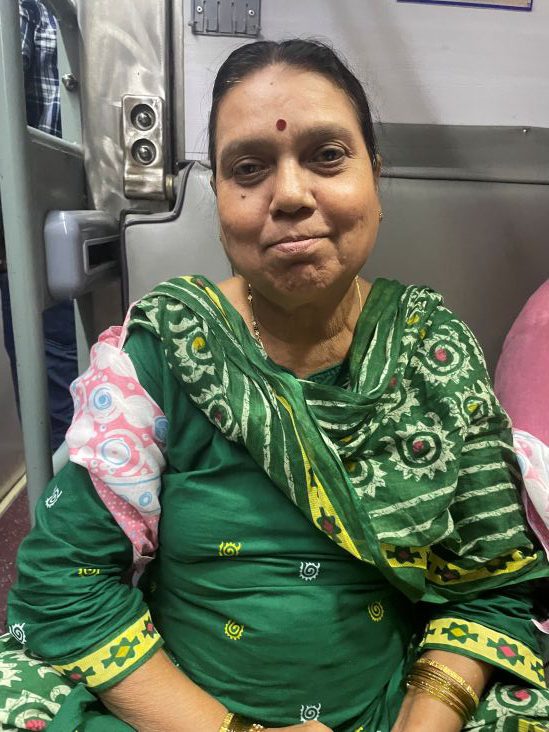
“I was just 17 years old. All I did was chant ‘Bharat Mata Ki Jai’ three times outside my home—and for that, I was thrown into jail for 40 days,” recalls Dipti Deepak Ravmule (67), her voice still trembling with the trauma of those days, as she spoke to Marksmen Daily.
Dipti’s simple expression of patriotism led to her arrest, alongside her two brothers and father. She describes the unimaginable cruelty she faced behind bars: “I wasn’t even allowed to go to the toilet. We were treated worse than criminals. My father, my brothers, and I were kept in separate sections of the jail and were not allowed to meet each other.”
Dipti, along with her family, was imprisoned on 27 November 1975. While she was released after 40 agonizing days, her father and brothers languished in jail for 15 and 19 months respectively. “People would abuse us for no reason. Even the police and jail staff behaved with utter disrespect. The so-called ‘checking’ procedures inflicted on women like me were deeply humiliating. I still shudder when I remember those nights,” she says, her eyes welling up with tears.
Her story is not an isolated one. Thousands of innocent citizens across India faced similar horrors for merely speaking up for democracy.
“We Were Punished for Loving Our Country”: Arun Bhise Remembers

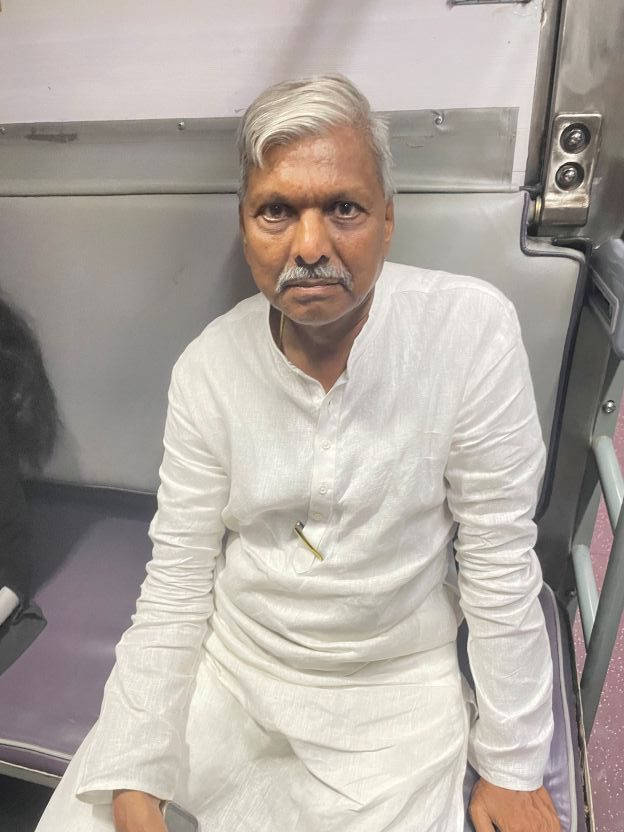
June 25, 1975—the day India woke up to find its democracy suspended—continues to cast a long shadow over countless lives. Among them is Arun Bhise from Yavatmal, who was just a school student in Class 10 when he was arrested for participating in protests against the Emergency.
“Along with respected leaders like Babaji Date, Adv. Abasaheb Mahajan, Purushottamji Bhise, and Prabhakar Bhise, I too was imprisoned for raising my voice against injustice,” Bhise recounts. “We were taken to Nashik Central Jail and held for 15 months without trial. Our only fault was standing up for our country and our democratic rights.”
Back home, Bhise’s younger brother held the family together while also supporting over 272 families whose loved ones were similarly jailed. The hardship endured by families of political prisoners was immense—socially, emotionally, and economically.
On March 4, 1977, when the Emergency was lifted, Arun Bhise and others were finally released. “We took our first breath of freedom after 15 months of imprisonment, but the scars have never truly healed,” he says.
Today, Bhise serves as the Vice President of the Loktantra Senani Sangh (Maharashtra) and continues to work for social welfare through the Jayant Nagari Sahakari Pat Sanstha.