Business
Union Budget 2026: The verdict from the Boardroom is in

As the dust starts to settle on Finance Minister Nirmala Sitharaman’s historic Sunday presentation of Union Budget 2026, the focus now shifts from the policy announcement to the practical implication. Delivering her ninth consecutive budget against a backdrop of global trade volatility and domestic stability, the Finance Minister has laid out a roadmap heavily tilted towards “Viksit Bharat” goals.
But a budget is ultimately tested not in the Parliament, but in the marketplace. For India Inc., the fine print matters more than the headline. While the broad continuity of policy has been welcomed, industry captains are now dissecting the specifics: Will the new incentives be enough to counter rising global tariffs? Is there enough support for fintech innovation? And most critically, does the fiscal math add up for the manufacturing sector waiting for end-to-end localization support?
These are just some of the questions we will be seeking answers to. In this special feature, we move beyond the macro numbers to bring you the micro-perspectives. We have compiled the immediate, unfiltered reactions from leaders across Real Estate, Mobility, Fintech, and Healthcare and more to understand if Budget 2026 effectively bridges the gap between India’s ambition and its execution.
Deepak Pahwa, Chairman, Pahwa Group & Managing Director, Bry-Air, on India Semiconductor Mission 2.0


“Budget 2026 marks a structural shift in India’s semiconductor strategy by recognising that scale without sustainability is not globally competitive. With India Semiconductor Mission 2.0 and a proposed Rs 40,000 crore outlay for electronics manufacturing, the focus now moves beyond capacity creation to process excellence. Semiconductor plants are among the most energy and environment intensive manufacturing units, making energy efficiency, contamination control and decarbonisation non-negotiable. India’s real advantage will come from building fabs that are cleaner, more efficient and cost-competitive by design. This approach will determine whether India becomes a serious semiconductor manufacturing hub or merely an assembly destination.”
Nilesh Shah, MD – Kotak Mahindra AMC
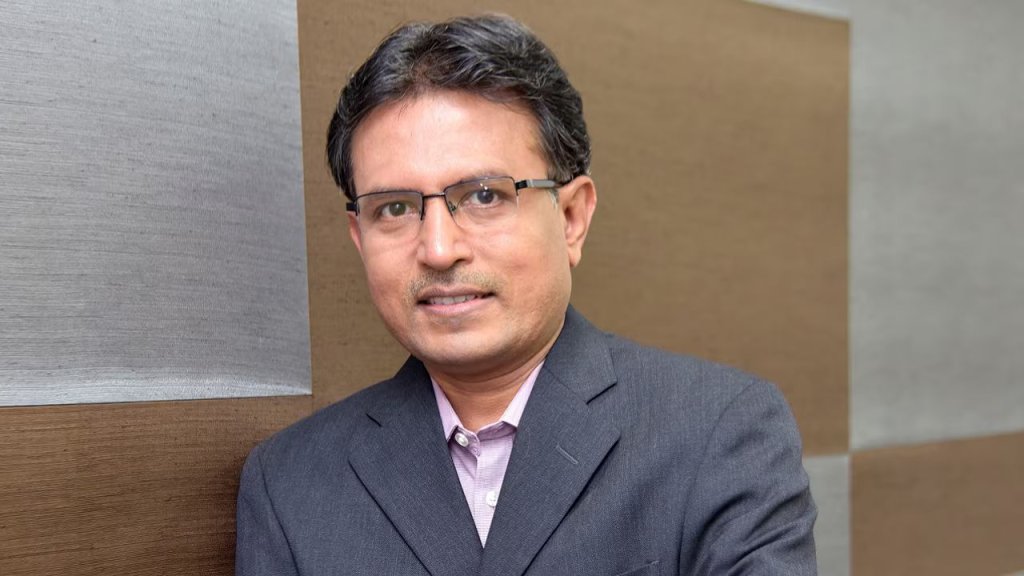
“This budget has proposed a capital expenditure of Rs 12.10 lac crore, which is more than the net market borrowing of Rs 11.70 lac crore.
I pray that a path is laid where one day capital expenditure will be more than the total borrowing including small savings.”
Moin Ladha, Partner, Khaitan & Co


“The pace at which the government is driving reforms across tax, labour and compliance frameworks is notable. This concerted ‘reform express’ has the potential to recalibrate how businesses operate and compete, while advancing the long-term objective of a more efficient and globally integrated Viksit Bharat.
The Finance Minister’s sustained focus on manufacturing, pharmaceuticals, bio-chemicals and semiconductors underscores a clear intent to deepen India’s domestic industrial base. Backed by targeted policy support, PLI-linked incentives and a push towards high-value manufacturing, these measures are expected to bolster investor confidence and reinforce India’s position as an increasingly attractive destination for long-term foreign direct investment, particularly in technology- and research-intensive sectors.”
Dr. Ranjit Ghuliani, Medical Superintendent at NIIMS Hospital, Greater Noida.

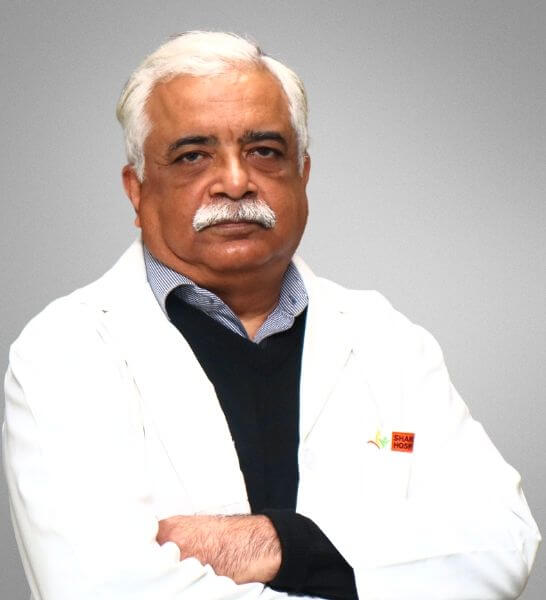
“The Union Budget 2026-27 represents a paradigm shift in the focus of the Indian healthcare sector, where health and biopharmaceutical development are placed at the very center of the country’s growth. The proposed ‘Biopharma Shakti’ program of ₹10,000 crore is a historic move that will help India position itself to become a world leader in the development of biologics and biosimilars.
In terms of healthcare delivery, the Union Budget recognizes the key sectoral challenges that the healthcare sector faces, such as the growing incidence of non-communicable diseases, diagnostic delays, and disparities in access to quality healthcare. The focus on prevention-driven financing, digital health integration, insurance expansion, and human resource development is long overdue.
Support for clinical trial support infrastructure, strengthening the regulatory framework, and innovative pharmaceutical development will help hospitals implement evidence-based treatment practices. Another area that assumes importance is the proposed change in the taxation structure of medical devices, expansion of tertiary care services, telemedicine, and rural health, which will help in reducing out-of-pocket spending and burden on referral hospitals.
The Budget, in essence, represents a progressive approach to healthcare as an investment in human capital, which will help create a future-ready health system in India.
Murali Mantravadi, Joint Managing Director of Energy Bots – Flosenso


“Reading the Union Budget 2026, what becomes clear is a steady shift in how technology is being viewed. The push through India Semiconductor Mission 2.0 and higher investment in electronic components suggests the government wants India to build deeper capability, not just scale services. That is an important signal. Sustainable advantage comes from owning design, supply chains and execution, not only distribution. The continued emphasis on AI, industry-linked research and creative skills points to an understanding that technology outcomes depend as much on people and process as on policy. The real test now is execution, but the intent feels more structural than symbolic.”
Sanjiv Navangul, CEO, BSV ( A Mankind Group Company)


“The Union Budget 2026 provides much-deserved momentum for India’s biopharma journey. We welcome the government’s intent to strengthen the biopharma ecosystem, and the Biopharma Shakti initiative is an encouraging step in this direction. The focus on building scale across strategic and frontier sectors creates the right environment for long-term improvements in health outcomes. The initiative recognises the need for innovation and research while creating a conducive ecosystem for good health through knowledge sharing and technology.
Alongside this, the emphasis on driving research by setting up new National Institutes of Pharmaceutical Education and Research will not only build talent but also augment the research capabilities of the country.
Strengthening the regulatory landscape through a robust biopharma-focused network, including enhanced capacity and faster approval timelines, will further support innovation and improve patient access.
Further, the proposed investment of Rs 10,000 crore over five years, along with the emphasis on domestic production, will go a long way in strengthening supply security and reducing dependence on imports. This aligns with the vision of BSV, as we remain committed to making in India for India and the world.
Additionally, the Budget’s proposal to promote India as a global hub for sports goods is also encouraging. Improved access to quality sports equipment can help drive wider participation of women in sports while supporting healthier lifestyles.”
Dr. Ankit Gupta, Managing Director, Park Medi World Limited


“The Union Budget 2026 presents a comprehensive roadmap for strengthening India’s healthcare ecosystem at a time when the country’s disease burden is shifting towards non-communicable diseases such as diabetes, cancer, and autoimmune disorders, alongside a rapidly ageing population. The proposed addition of one lakh allied health professionals will help bridge workforce gaps across hospitals, rehabilitation centres, and community-based care settings. This is complemented by plans to train 1.5 lakh caregivers through NSQF-aligned, multi-skilled programmes, strengthening long-term, elderly, and post-acute care services.
The establishment of five regional medical tourism hubs in partnership with the private sector reinforces India’s ambition to emerge as a preferred global healthcare destination. For hospital networks such as Park Hospitals, these initiatives create meaningful opportunities to scale specialised allied services, strengthen geriatric and rehabilitation care, and contribute to medical value tourism aligned with national healthcare priorities.”
Sheetal Arora, Promoter & CEO, Mankind Pharma

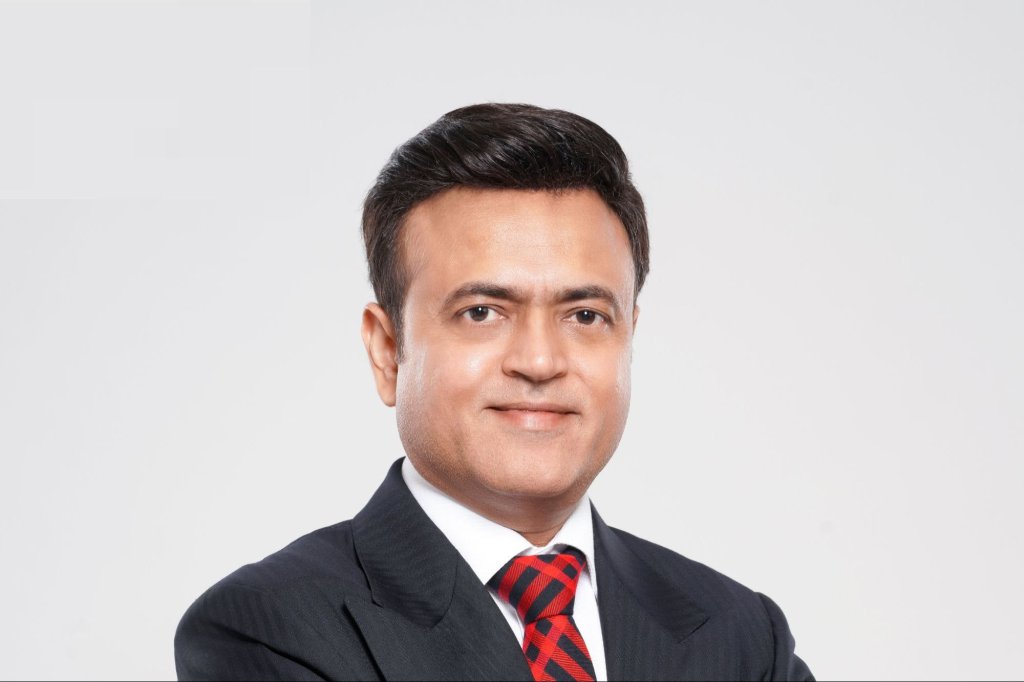
“The Union Budget makes a clear and timely choice by placing biopharma at the centre of India’s next manufacturing wave, alongside other frontier sectors. As India’s disease burden shifts towards diabetes, cancer, and autoimmune disorders, and advanced NCD therapies gain wider adoption globally, the focus on biologics and biosimilars is both relevant and necessary. The Bio Pharma Shakti initiative recognises that longevity, quality of life, and affordability will define healthcare outcomes going forward.
The Finance Minister, Nirmala Sitharaman, has reinforced the Viksit Bharat vision through a ₹10,000 crore commitment to build a strong domestic biopharma ecosystem, strengthen institutions, upgrade the Central Drugs Standard Control Organization to global standards, and enable faster, predictable approvals. The full BCD exemption on 17 cancer drugs and targeted relief for rare diseases will further improve patient access while supporting innovation in high-need areas.
Over the coming years, the alignment of these reforms with the evolving **European Union–India trade framework will help Indian pharma move from scale to leadership, attract global investment, and strengthen India’s position as a trusted manufacturing and innovation partner in advanced therapies.”
Himanshu Arya, Founder, Luxury Cart


“The Budget sends a clear signal of long-term intent for India’s automotive sector by addressing both cost pressures and structural vulnerabilities. Duty relief on lithium-ion batteries and cobalt is expected to ease EV manufacturing costs, while investments in critical mineral security and automotive-grade semiconductors aim to reduce supply-chain risk. At the same time, higher capital expenditure and improved rural connectivity are likely to support demand across commercial vehicles and entry-level segments. Together, these measures create a more predictable environment for mobility players, even as consumer preference continues to evolve towards value-led and pre-owned options.”
Kiran Mazumdar Shaw, Chairperson, Biocon Group


“As India’s disease burden shifts toward cancer, diabetes and autoimmune disorders, biologics and biosimilars will be central to improving longevity and quality of life. This initiative—spanning manufacturing scale-up, global-grade regulation, new NIPER institutions and a nationwide clinical trials network—can firmly position India as a global biopharma manufacturing hub.”
Archit Gupta, Founder and CEO, ClearTax


“Allowing resident buyers to deduct TDS without needing a TAN removes major friction in real estate transactions and should help speed up secondary market sales. Second, cutting the TCS rate from 5% to 2% on overseas education, medical treatment, and travel directly helps family cash flow. It reduces upfront money getting locked, especially for parents sending children abroad or planning travel, and shows an understanding of how global Indian households actually spend.”
Mahesh Krishnamoorthy, Managing Director, Core Integra


“From Direct Tax perspective, one of the significant move is to reduce tax rate on manpower services since with the increasing working age population in India, we are and will continue to remain skilled manpower suppliers to the world. Overall the budget meets expectations, focuses on growth and public welfare. Encouraging cloud service providers to set up in India and use resellers for domestic demand is critical to address the increasing domestic cloud service demand and the tax holiday would encourage the service providers to consider India as an important destination for their business.
It was expected that Budget 2026 would focus on stability and growth considering the geo political scenario especially tariffs from USA which necessitates promotion of domestic manufacturing, consumption on one hand and explore newer markets for exports. It is indeed appreciated that the Hon. Finance Minister has maintained the focus on Viksit Bharat (growth) as from the post Covid budgets. The initiative to set up mega textile parks is very important to support domestic exporters in the current situation. Biopharma Shakti and Semiconductor mission 2.0 will help significantly reduce dependencies on imports in these areas.
Initiatives to develop infrastructure in Tier 2 & 3 towns of India is highly appreciated at this stage as this would facilitate spread of economic development, reduce migration and increase consumption in a uniform manner across the country. Promoting MSME with appropriate liquidity and advisory support would help create more entrepreneurs (job creators) in our country.”
Pankaj Rana, CEO, Hisense India


“The Union Budget 2026 outlines a forward-looking technology roadmap that strengthens India’s position as a global electronics and innovation hub. The sustained focus on semiconductor manufacturing, electronics components, and AI-led innovation reflects a strong policy commitment to building a resilient domestic ecosystem. Initiatives like India Semiconductor Mission 2.0 and the enhanced outlay for electronics manufacturing are expected to deepen local value creation and strengthen supply chains. For the consumer electronics industry, this creates a stable, growth-oriented environment that encourages long-term investments, innovation, and localisation.”
Rajeev Singh, Managing Director, BenQ India and South Asia


“The Union Budget 2026 makes a clear statement on reimagining education as a direct driver of employability and economic growth. The proposed Education-to-Employment Standing Committee acknowledges the urgent need to align learning with industry demand and the accelerating impact of technologies such as artificial intelligence.
Initiatives such as Content Creator Labs in 15,000 schools and the development of university townships near industry corridors mark an important shift towards hands-on, technology-enabled, and industry-connected learning environments. These measures will encourage creativity, collaboration, and real-world skill development across K-12 and higher education.
Together with continued support for domestic manufacturing and the semiconductor ecosystem, the Budget creates a strong foundation for modern digital classrooms and future-ready campuses. It enables education and enterprise technology providers to play a meaningful role in building skills, improving learning outcomes, and preparing India’s talent base for global competitiveness. It will be good to see how these initiatives take shape in the coming days, and we will support them to the best of our ability.”
Ravi Agarwal, Co-Founder and Managing Director, Cellecor

“The Union Budget 2026 reflects a steady and constructive approach toward strengthening India’s consumer electronics and technology manufacturing ecosystem. The near doubling of the Electronics Components Manufacturing Scheme outlay from ₹22,919 crore to ₹40,000 crore is a meaningful step toward building a stronger domestic component supply chain. Alongside the expansion of the India Semiconductor Mission (ISM) 2.0 into a broader, full-stack programme covering materials, equipment, design, and R&D, this signals strong momentum toward positioning India higher on the global electronics value chain.
The parallel focus on employment generation and large-scale skilling in electronics manufacturing and emerging technologies will help create a future-ready workforce across factories, assembly lines, and service ecosystems.
Overall, the Budget creates a supportive environment for consumer electronics brands to invest with confidence. We look forward to contributing to this growth journey through innovation, localisation, and product development.”
Aditya Khemka, Founder & Managing Director, CP PLUS


“The Union Budget 2026 signals a decisive shift in India’s technology and security journey, with a clear focus on building capability at home. The strengthened push under the India Semiconductor Mission 2.0 is not only about self-reliance, but about ensuring that the intelligence, computing power, and hardware powering next-generation AI systems are designed and manufactured in India.
The government’s emphasis on artificial intelligence reflects a move from experimentation to real-world, mission-critical deployment. As AI becomes central to public safety, surveillance, and smart infrastructure, this Budget lays the foundation for scalable, secure, and responsible adoption across the country.
For homegrown technology companies, this policy clarity creates long-term confidence to invest locally, innovate for Indian needs, and build globally competitive solutions. It positions India not just as a consumer of advanced technologies, but as a trusted creator of AI-led security and infrastructure solutions aligned with the vision of Make in India.”
Rahul Garg, Founder-CEO, Moglix


“The Budget’s emphasis on artificial intelligence, quantum research and innovation-led missions strengthens India’s technology backbone. These investments enable enterprises to deploy AI across manufacturing optimisation, procurement automation and supply chain forecasting. When combined with sectoral programmes such as textile modernisation and industrial cluster rejuvenation, emerging technologies will play a critical role in improving productivity, quality control and operational efficiency across traditional and advanced industries.”
Manoj Trivedi, Director of Strategy, Maxiom Wealth


“FM has used the budget to help India achieve its long term strategic goals and protect its interests in a dynamic global environment. Fiscal Deficit is in control despite higher than expected increase in Capex. Clear boost to Infra / Capex, MSME Semiconductor related industries.
Not much on Personal Taxation except for some ease of process. Capital gains tax on Buybacks, increase in STT not being positively received by markets. No specific incentives for exports or for manufacturing is a little disappointing. The tone of Budget 2026 is patient capital meets long‑term capacity‑building across infrastructure and manufacturing. Don’t expect markets to over-react in either direction and as always, dust will settle in a day or two.”
Ankit Patel, Co-founder & Partner – Arunasset Investment Services


“Budget 2026 stands out more for its restraint than for any major policy intervention. In many ways, it feels like a non-event—and that is not entirely a bad thing.
The most notable positive is what the Budget chose not to touch: capital gains taxation. After several years of tinkering, reclassification, and uncertainty, the decision to leave capital gains tax laws unchanged is a welcome relief for markets. It removes a key source of policy risk and ensures there is no sudden shock to investor behaviour. At a time when domestic flows are doing much of the heavy lifting in equities, this stability matters. On the fiscal front, the deficit target has been set at 4.3% of GDP, marginally lower than last year’s 4.4%. Capital expenditure has been increased in absolute terms to ₹12.2 lakh crore for FY27 from ₹11.2 lakh crore in the current year. However, as a share of GDP, capex remains broadly unchanged, suggesting continuity rather than a fresh growth impulse.
That continuity is also the Budget’s main weakness. With CPI inflation averaging just 1.7% in FY26 so far and December inflation at a low 1.33%, the macro environment offered space to support demand more aggressively. The Budget, however, does little on this front. There are no tax cuts, transfer increases, or targeted consumption measures to revive demand. Gross tax collections for FY26 are projected at ₹42.7 lakh crore, up about 11%, with GST revenues estimated at ₹11.78 lakh crore. These assumptions appear conservative but leave little room for counter-cyclical action.
Overall, Budget 2026 prioritises stability and fiscal discipline over growth stimulus. While this avoids policy shocks, it also means the onus of driving the next leg of growth shifts firmly to monetary policy and the private sector”.
Girija Kolagada, Vice President at Progress Software


“The Union Budget 2026–27 reinforces India’s position as a future-ready, innovation-led economy. The consolidation of key technology segments under a unified Information Technology Services category, along with a 15.5% safe harbour margin, a higher ₹2,000 crore threshold, and automated approvals, brings greater predictability and efficiency to the ecosystem. This will strengthen India’s attractiveness as a global hub for AI-driven innovation, advanced engineering, and high-value R&D.
Continued investments in infrastructure, alongside initiatives such as the AI Mission and National Quantum Mission, further accelerate India’s move up the value chain. For Global Capability Centres, these reforms create a more competitive and resilient innovation environment, while measures to attract global experts enhance India’s ability to blend international talent with domestic capability.
In addition, the proposal to grant a tax holiday to foreign companies delivering global cloud services through India-based data centres is a strategic boost to the country’s digital infrastructure ambitions. By requiring services to be routed through an Indian reseller, the policy strengthens the domestic value chain while ensuring economic gains and ecosystem growth stay anchored in India.
Last but not least, the focus on upskilling, AI readiness and empowering women in STEM – supported by improved access to education and infrastructure – will be critical to building inclusive, future-ready talent pipelines. As India works toward a 10% global share in services by 2047, strengthening GCCs and accelerating AI adoption will be central to realising the vision of Viksit Bharat.”
Nischal C, Head of Corporate Communications, QNET India region
“The Union Budget announced by the Hon’ble Finance Minister is reform-oriented, introducing measures to empower entrepreneurs and strengthen the business ecosystem. The launch of ‘She Marts’ for women entrepreneurs will provide community-owned retail outlets, enabling women to expand their businesses at the grassroots level.
Additionally, simplification of tax compliance will ease operational challenges for small business owners and distributors, allowing them to focus more on growth. Improvements in digital infrastructure and payments will enhance online connectivity and transaction efficiency, supporting businesses that rely heavily on digital platforms.
These measures will encourage innovation, improve access to resources, and reinforce sustainable growth opportunities for entrepreneurs across sectors.”
Imran Kagalwala, Co – Founder, Unix India


“The Budget takes a constructive approach by continuing its focus on MSME support, electronics manufacturing, and greater self-reliance through domestic components production. The announcement of the Electronic Components Manufacturing Scheme signals a sustained effort to strengthen local manufacturing capabilities and reduce import dependence.
In addition, the ₹10,000 crore MSME Growth Fund aimed at developing Champion MSMEs helps address the long-standing need for patient equity capital, allowing companies to scale in a more balanced manner. The ₹2,000 crore top-up to the Self-Reliant India Fund further supports the availability of long-term risk capital, contributing to a more stable environment for innovation and growth. Collectively, these initiatives help strengthen the foundation for sustainable growth in India’s electronics manufacturing ecosystem”
Mohammad Athar Saif, Partner and Leader CP&I and Industrial Development, PwC India


“The Budget has done an excellent job of balancing immediate and long-term job creation by placing the integration of infrastructure and manufacturing at its core. An infrastructure outlay of ?12.2 lakh crore—representing a 9% increase—reinforces the government’s sustained focus on meeting India’s evolving infrastructure needs. Cities continue to be positioned as key growth engines, with a proposed scheme which will provide funding support of ?5,000 crore per city as per their economic regions for all cities with populations above 5 lakh, and a strong emphasis on urban mobility through seven new high-speed connectivity corridors which could collectively strengthen the economic aspirations of urban India.
On the manufacturing front, the announcement of Semiconductor Mission 2.0, enhanced support for the electronics components scheme, plans to revitalise 200 industrial clusters, and a focused push on critical minerals could significantly strengthen India’s manufacturing ecosystem, and accelerating the country’s transition into a competitive global destination. This could also develop India’s self-reliance for emerging industries such as semiconductors, electronics, and advanced batteries, and advance the government’s vision of Viksit Bharat@2047.”
Sujay Shetty, Managing Director (ESDM & Semiconductor), PwC India

“As someone who is deeply invested in India’s tech ecosystem, I warmly welcome the Union Budget 2026–27’s visionary and strategic advancements for the electronics and semiconductor sector. The launch of ISM 2.0 represents a transformative step forward, prioritising domestic production of equipment and materials, full-stack design capabilities, development of Indian IP, resilient supply chain fortification, intensified industry-led R&D, and a robust skilled workforce through dedicated training initiatives. This comprehensive framework could significantly elevate India’s role in the global semiconductor value chain.
The government’s forward-looking focus on promoting mining, processing, research, and manufacturing of rare earth minerals, through dedicated corridors in the mineral-rich states of Odisha, Kerala, Andhra Pradesh, and Tamil Nadu is equally commendable. This initiative could address critical supply chain vulnerabilities and strengthen the country’s self-reliance in essential inputs for high-tech industries.
Complementing these efforts, the additional ?40,000 crore outlay for the Electronics Components Manufacturing Scheme (ECMS) could catalyse substantial investments, enhance domestic value addition, generate high-quality employment, and solidify India’s emergence as a global leader in electronics manufacturing and innovation.”
Rajesh Damani, Founder and Managing Director, Jamshri Realty Limited


“We are delighted that the Union Budget 2026 finally marks a definitive transition from metro-centric growth to ‘Infrastructure-led Urbanization’ across India’s heartland. By scaling capital expenditure to ₹12.2 lakh crore, the government has sent a clear signal that Tier 2 and Tier 3 cities—the new engines of our national GDP—are no longer just satellites but primary economic hubs. For developers like us, the focus on regional connectivity through ring roads and metro extensions is the key that unlocks high-quality residential and mixed-use corridors in cities like Solapur, Nashik, and beyond.
We particularly welcome the movement toward refining the ‘Affordable Housing’ framework. Aligning price caps with the structural realities of construction and land costs in growing markets will empower a new generation of homeowners. However, the true legacy of this Budget lies in its push for sustainable real estate. By incentivizing green building practices and ESG-led infrastructure, from renewable power integration to EV-ready mobility, the government is helping us move beyond simple brick-and-mortar.
At Jamshri Realty, we believe that ‘Integrated Lifestyle Districts’ are the future. This Budget provides the fiscal predictability needed to institutionalize sustainability, ensuring that our projects, such as the Jamshri City initiative, set a global benchmark for liveability. We are constructing self-sustained urban ecosystems that are commercially viable, socially impactful, and environmentally resilient.”
Sujay Shetty, Partner (Health Industries), PwC India


“Union Budget 2026–27 sends across a powerful statement of intent for India’s biopharma sector. The focus on supporting both patient and industry needs through key pillars strengthening biomanufacturing, expanding skills development via additional NIPERs, and accelerating approval timelines—signals a clear commitment towards improving ease of doing business through regulatory capacity building and faster decision-making.
Another significant aspect of this year’s Budget is the strong emphasis on medical tourism. By positioning India as a trusted global destination for high-quality, affordable care, the Budget reinforces the sector’s potential both as a growth engine as well as a contributor to India’s global healthcare leadership.
Equally encouraging is the much-needed focus on Ayurveda and wellness. By providing targeted support to help the sector build scale and global competitiveness the government recognises India’s unique strengths in the pharma sector and opens new opportunities for innovation, exports, and job creation.
Taken together—across biopharma, medical tourism, Ayurveda, wellness, and skills building—these proposals make this a truly forward-looking Budget that will take India well on its way to achieving the goals of a Viksit Bharat.”
Bruce Keith, CEO & Co-Founder, InvestorAi


“The ongoing fiscal discipline and general move towards tax harmonisation is welcome. Adding more heft and focus on education in a world where AI is changing the rules also makes sense. Perhaps the biggest surprise to me was the increases in Securities Transaction Tax (STT) on futures and options premium by 150% and 50% respectively.
The Government doesn’t like that 90%+ people lose money in F&O so have chosen to make it more expensive. In my view this is the wrong lever to this problem. Better to look at education and AI rather than risk collateral damage from a reduction in big volume players causing liquidity to shrink. The overall market needs this to function.”
Ankur Mittal, Co-Founder, Inflection Point Ventures


“India’s service led economy can get disrupted with strong gains in AI and hence govt focus on building India as a powerhouse of strong AI talent is a great step to retain our continued growth in the world economy. This will also increase great flow of capital to India from global tech giants to take advantage of the talent pool while also supporting the Indian startup ecosystem. IPV startups like CTPL can really support the government in this initiative.”
Manu Iyer, General Partner, Bluehill.VC


“The launch of India Semiconductor Mission 2.0 in the Union Budget 2026-27 is a watershed moment for India’s technology and manufacturing landscape. By significantly expanding support for domestic semiconductor equipment, materials, design, and supply-chain capabilities, ISM 2.0 will accelerate India’s journey towards self-reliance in advanced chips and position the country as a globally competitive semiconductor hub. Coupled with the strategic decision to establish dedicated rare earth corridors across mineral-rich states — strengthening mining, processing, research and manufacturing of critical minerals — this Budget not only deepens the foundation for high-tech growth but also enhances supply-chain resilience in sectors from electronics to defense and clean energy. Together, these initiatives will drive innovation, high-skilled employment, and India’s role in resilient global value chains.”
Hitesh Jirawla, Founder & CEO, Cubictree


“There has been a huge push from the Govt of India to digitise the courts in India, Now with the legal sector standing at the junction of a quantum leap. The convergence of the India AI Mission with ₹ 10,000 Cr+ and the government’s aggressive push for R&D allows us to tackle the ‘Iron Triangle of legal tech: Cost, Speed and Accuracy. Having navigated this landscape for a decade and a half, we see the government’s multiple AI Innovation Fund is not just as a fund, but as a validation that Legal AI is the new infrastructure of a developed India”
Pankit Desai, Co-founder CEO, Sequretek


“The Union Budget 2026 made the growth of India’s digital economy as one of the core focus area of growth of the economy. With strong GDP numbers already released, the FM focused on several initiatives that can bring more capital in the country. The announcement on raising the safe harbour limit to Rs 2000 crore for IT and ITES companies will benefit the sector immensely.
For IT companies with overseas group entities, the higher ₹300 crore threshold expands access to safe harbour provisions, reducing transfer pricing litigation and tax disputes. In effect, if transactions with overseas affiliates are priced in line with prescribed arm’s-length norms, tax authorities will not challenge the pricing methodology—bringing greater certainty, lower compliance risk, and fewer legal issues.
Additionally, the tax holiday for setting up data centres in India by foreign cloud companies gives out a strong signal as the world looks at India as a major GCC centre. This will also strengthen our technological sovereignty.
The Make in India, Make for the World, has received a further impetus with the ₹10,000 crore SME Growth Fund that will empower the growth engine of our economy to adopt emerging tech, meet risk capital requirements to become globally competitive. In a nutshell, the Budget this year attempts to lay a path for India to become a global tech powerhouse across manufacturing, services and much more”.
Anil Joshi, Managing Partner, Unicorn India Ventures


“Indian Semicon is at a very nascent stage and needs a lot of hand holding and policy support, ISM 2.0 will certainly help in mushrooming genuine Semicon use cases and will make India self reliant. Additionally ₹ 40000 CR deployment for electronic components will help resolving supply issues for development. Both the initiatives will help the industry a lot, great policy decision by FM.
The launch of Bharat Vistaar will go a long way in helping the farming sector, the combination of real time data from satellite and AI application can help farmers take informed decisions in improvings farm productivity and also different mix of produce. The announcement of 4 telescope centres will be a big help to astro physics and study the celestial objects and built India’s own self reliant mechanism to study the space and development of respective projects.”
Nitin Lahoti, Founder & Director, Mobisoft Infotech


“The Union Budget 2026 sends a strong signal that technology is no longer a support function but a core growth engine for India. The focused push on AI, semiconductors, data centres, and digital infrastructure will accelerate innovation, attract global investments, and help Indian tech companies move up the value chain. This budget lays a solid foundation for India’s journey towards becoming a trusted global technology hub.”
Shailesh Chandra, President, SIAM and MD & CEO, Tata Motors Passenger Vehicles Ltd.
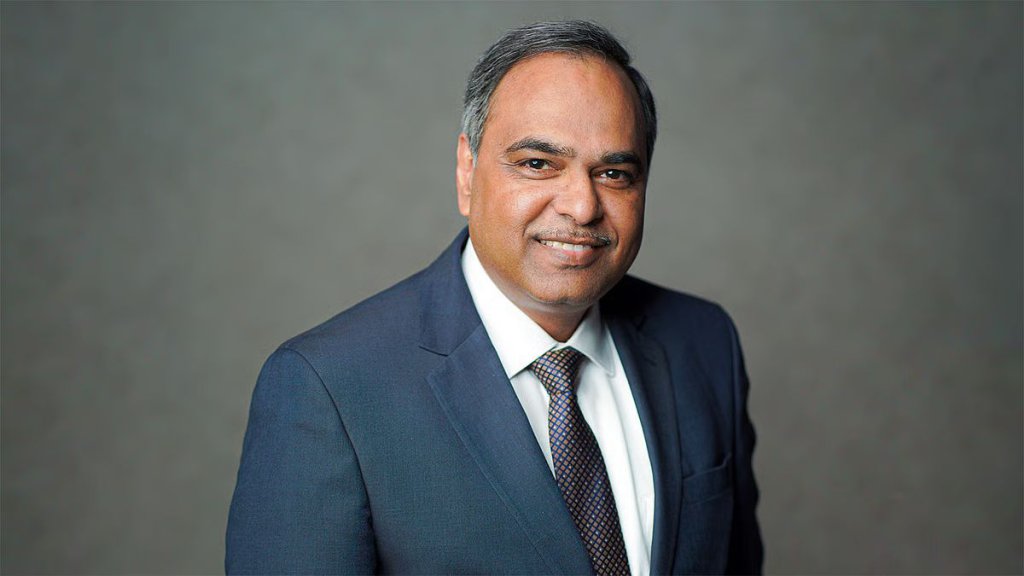
“We welcome the Union Budget 2026–27, which continues to focus on long-term, sustained economic growth with a strong emphasis on manufacturing, infrastructure including freight corridors & waterways and fiscal prudence. The decision to raise the capital expenditure target to Rs 12.2 lakh crore for FY 2026-27 from Rs 11.2 lakh crore in the current year will provide a strong impetus to demand creation and industrial activity, including the Automobile sector.
Enhanced support for electronic components manufacturing, setting up dedicated corridors for mining and processing of rare earth, along with initiatives to establish high-tech tool rooms and supporting container manufacturing, will develop supply chain resilience and help in streamlining exports. The allocation of 4,000 e-buses for the Purvodaya States will accelerate the transition toward sustainable public mobility solutions.
Continued exemption of Basic Customs Duty on Capital Goods used for manufacturing lithium-ion batteries, along with the extension of concessional duty benefits for lithium-ion cells and their parts used in manufacturing batteries for electric and hybrid vehicles for a further two years till March 2028, will enable creation of a robust EV ecosystem in the country.”
Dr. Anish Shah, Group CEO & MD, Mahindra Group


“We applaud the Government of India’s Union Budget 2026 presented today by Finance Minister Nirmala Sitharaman. This Budget focuses on enhancing India’s competitiveness in the world, takes meaningful steps towards atmanirbharta and enables a wider participation in the benefits of economic growth.
The emphasis on frontier and strategic manufacturing sectors, including the launch of enhanced schemes such as Biopharma Shakti and the Semiconductor Mission (ISM 2.0), reflects a clear commitment to building global-scale manufacturing capabilities. Strengthening domestic value chains and reducing critical import dependencies will be key to India’s future industrial leadership.
We particularly welcome the significant increase in capital expenditure to ₹12.2 lakh crore for FY27, which underscores an unambiguous policy focus on infrastructure, regional development and job creation across the country. This will play a pivotal role in crowding in private investment, enhancing productivity and supporting the growth of tier-2 and tier-3 cities as emerging economic hubs.
The proposal to establish a dedicated ₹10,000 crore SME growth fund and incentives for industry clusters is a positive step toward enabling future job creation, supporting enterprise scaling, and boosting competitiveness of small and medium businesses.
Initiatives to promote critical minerals, rare earth corridors and enhanced electronics and capital goods manufacturing are forward-looking and essential for a resilient industrial ecosystem that can thrive amid global uncertainties.
And, most importantly, the emphasis on sabka saath, sabka vikaas is commendable. The actions to ensure every community has access to resources and opportunities will enable robust and sustainable economic growth.
Overall, Budget 2026 signals continuity in policy direction, a firm commitment to sustainable and inclusive growth, and efforts to unlock India’s economic potential at scale. We believe these measures can accelerate innovation, enhance value-added manufacturing and strengthen India’s standing in the world.”
Mukundan Menon, MD, Voltas Ltd.

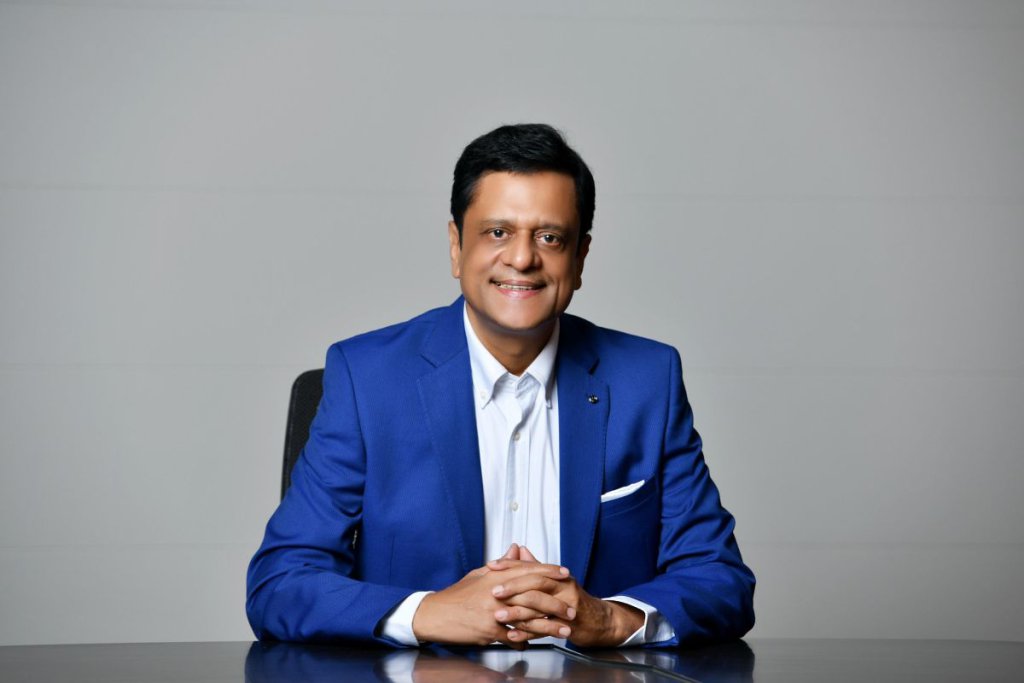
“The Union Budget 2026–27 reflects a confident and future‑ready macroeconomic vision, firmly aligned with India’s Viksit Bharat aspirations. By combining strong fiscal discipline with a record public capital expenditure outlay of ₹12.2 lakh crore, the government has reinforced the foundation for inclusive, broad‑based, and durable growth.
The Budget’s strategic push on manufacturing and technology is especially significant for the consumer durables sector. Initiatives such as the India Semiconductor Mission 2.0 and the enhanced ₹40,000 crore outlay for electronics component manufacturing will meaningfully deepen domestic value addition. These measures not only improve affordability for consumers but also elevate India’s competitiveness in global value chains.
Equally important is the Budget’s sustained emphasis on urban infrastructure development. Investments in modern transit systems, housing, and smart city capabilities create a multiplier effect, boosting jobs, strengthening income visibility, and expanding the addressable market for technology-driven, energy-efficient appliances.
The introduction of the New Income Tax Act and the Government’s focused efforts on easing compliance are timely reforms that will enhance household confidence. As disposable incomes rise and purchasing power strengthens, we expect a positive impact on discretionary consumption across categories.
Overall, this Budget strengthens a constructive growth cycle, enhanced investments will translate into more robust incomes, which in turn will drive demand for Make in India, energy-efficient, and smart consumer technologies. It sets the stage for sustained momentum in domestic manufacturing and positions India strongly for the next phase of transformation.”
Stéphane Deblaise, CEO, Renault Group India

“The Union Budget 2026–27 sends a strong and reassuring signal of policy continuity and intent for India’s manufacturing-led growth. Anchored in the Kartavya pillars for Viksit Bharat, the Budget demonstrates a clear commitment to building resilience, competitiveness and technological depth across strategic sectors. The progression to India Semiconductor Mission 2.0, with its focus on equipment, materials, full-stack Indian IP and supply-chain strengthening, aligns closely with the evolving needs of the industry. The targeted push to reduce critical import dependencies, through initiatives on rare earth magnets and continued customs duty exemptions on capital goods for lithium-ion cells, creates confidence for deeper localisation and sustainable mobility. Supported by public capital expenditure of ₹12.2 lakh crore and enhanced logistics corridors, the Budget provides greater momentum to responsible growth of the Indian economy.”
Pradeep Aggarwal, Founder & Chairman, Signature Global (India) Ltd.


“The Union Budget 2026 provides a strong and credible roadmap for India’s next phase of growth, led by a sharp focus on infrastructure, urban development, and financial reforms. The government’s decision to raise public capital expenditure to ₹12.2 lakh crore in FY27, a 9% increase over FY26, will play a critical role in accelerating project execution and crowding in private investment.
The creation of the Infrastructure Risk Guarantee Fund, along with the rollout of seven high-speed rail corridors and the operationalisation of 20 new national waterways over the next five years, will significantly enhance connectivity, reduce logistics costs, and improve the overall efficiency of the real estate and infrastructure ecosystem.
Urban development receives a sustained boost with an allocation of ₹5,000 crore per year for five years for City Economic Regions, alongside a continued focus on Tier-2 and Tier-3 cities as emerging growth centres. These measures will enable planned urbanisation, support civic infrastructure, and unlock housing demand across new geographies.
Further, accelerated recycling of CPSE real estate assets through dedicated REITs and continued emphasis on InvITs will deepen capital markets, improve liquidity, and strengthen investor confidence across the sector.
On the consumption side, income tax reforms— including no tax liability up to ₹12 lakh under the new tax regime, rationalised TDS and TCS rates, and reduced TCS on overseas tour packages to 2%—will enhance disposable incomes and ease compliance, providing indirect yet meaningful support to housing demand.
Overall, the Budget aligns strongly with the long-term vision of Viksit Bharat by 2047 and lays the foundation for sustainable, inclusive, and future-ready economic growth.”
Vikas Bhasin, Managing Director, Saya Group


“The Union Budget 2026 proposals are, to a large extent, in line with expectations, particularly the government’s continued focus on sustained investment in infrastructure that truly connects people and regions. By strengthening physical and urban infrastructure, the Budget aims to make cities more liveable, efficient, and accessible for citizens across income segments.
The emphasis on Dedicated Freight Corridors, port-led development, and infrastructure expansion in Tier II and Tier III cities is expected to provide a significant boost to the housing sector. These measures will not only support real estate development in emerging urban centres but are also likely to have a positive spillover effect on overall housing demand and price stability in metro markets.
While property prices in Tier I cities are expected to remain largely range-bound, improved connectivity and infrastructure development will encourage residential growth in suburbs and satellite towns. This will enable homebuyers to access more affordable housing options slightly farther from central business districts, without compromising on connectivity to workplaces and major urban hubs.”
Ashok Kapur, Chairman, Krishna Group and Krisumi Corporation

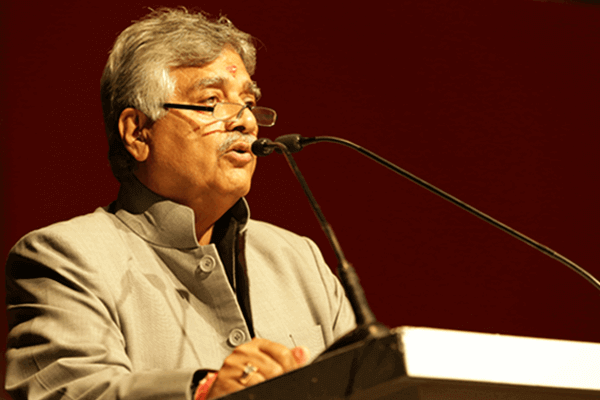
“The Union Budget 2026–27 reinforces the government’s long-term commitment to infrastructure-led growth, which remains a critical enabler for the real estate sector. The emphasis on infrastructure, risk mitigation, and structured city growth aligns well with our long-term approach to creating high-quality developments that contribute meaningfully to India’s evolving urban landscape.
Creation of the Infrastructure Risk Guarantee Fund will enhance lender confidence in the infrastructure sector, which is expected to encourage greater private sector participation in large-scale projects. This bodes well for the real estate sector as real estate demand is closely linked to robust infrastructure and better connectivity.
Moreover, the move to accelerate monetisation of CPSE-owned real estate assets through dedicated REITs while at one hand may strengthen the institutional framework for asset recycling, on the other it may also provide much desired capital efficiency in the sector. Overall, this seems to be a neutral budget from the real estate sector perspective.”
Saurabh Marda, Co-Founder & Managing Director – Freyr Energy


“The restructuring of REC and PFC is a welcome step that could strengthen financing for solar projects. These institutions play a critical role in enabling consumer solar adoption—many of our residential customers access loans through NBFCs and banks that ultimately source capital from REC and PFC. Improved operational efficiency and lending capacity at these institutions should translate to better access and terms for consumer solar financing.
The customs duty exemption on solar glass manufacturing inputs, along with the continued support for Battery Energy Storage Systems, reinforces the government’s commitment to building a robust domestic clean energy ecosystem. Combined with the PM Surya Ghar program’s momentum—now serving 2.5 lakh households—we’re seeing strong tailwinds for distributed solar adoption in India.
At Freyr Energy, we’re focused on leveraging these policy supports to make solar more accessible and affordable for the millions of Indian households ready to make the switch to clean energy.”
Masood Mallick, Chairman, CII National Committee on Waste to Worth Technologies and Managing Director & Group CEO, Re Sustainability Limited.


“The Union Budget 2026–27 marks a decisive shift in how India approaches resource security and decarbonisation—treating them as strategic economic priorities rather than regulatory afterthoughts.
The INR 20,000 crore commitment to Carbon Capture, Utilisation and Storage (CCUS) over five years is a particularly important signal. It directly addresses the competitiveness challenge Indian industry faces under mechanisms such as the EU’s Carbon Border Adjustment Mechanism and provides a credible pathway for hard-to-abate sectors like steel and cement to remain globally competitive while decarbonising.
Equally significant is the focus on building domestic capability across the critical minerals value chain—from exploration to processing. Duty exemptions on capital goods for critical mineral processing, along with support for rare-earth corridors in mineral-rich states, will strengthen urban mining and large-scale resource recovery.
For industries engaged in recovering value from end-of-life materials, this recognition of secondary resources as strategic assets is both timely and overdue.
The extension of duty exemptions for lithium-ion cell manufacturing in battery energy storage systems, and the rationalisation of excise duty on biogas-blended CNG, reflect a sophisticated understanding of how clean energy transition and circularity reinforce each other. These measures will unlock investment in recovery infrastructure and accelerate the shift from linear to circular industrial models.
By placing execution, scale, and infrastructure at the centre of its approach, this Budget positions circularity as foundational to India’s manufacturing resilience and its Viksit Bharat ambitions—giving industry the confidence to invest boldly in sustainable technologies.”
Pranav Bansal, CEO, Bansal Wire Industries

“The Union Budget’s Rs 20,000-crore Carbon Capture and Utilisation (CCUS) scheme is a timely and pragmatic intervention for India’s steel sector, where a large share of emissions are structurally hard to abate. Enabling CCUS deployment across power, steel, cement and refining can create immediate and measurable impact, allowing existing assets to align with climate goals while sustaining industrial growth. Equally significant is the Budget’s clear thrust on strengthening domestic manufacturing, particularly through support for construction and infrastructure equipment and the proposed infrastructure risk guarantee fund, which together can improve project viability and crowd in private capital.
For us, the real opportunity lies in integrating CCUS pathways, energy-efficient processes and cleaner material inputs into our operations, while continuing to serve India’s expanding infrastructure needs. The way forward must now focus on rapid technology deployment, bankable demonstration projects and close industry-government collaboration, so that India’s steel value chain can emerge as a globally competitive, low-carbon engine of growth for Viksit Bharat.”
Arun Shukla, President and Director, JK Lakshmi Cement


“The Union Budget remains true to the Government’s Viksit Bharat and 2070 Net Zero vision and sends a clear signal on the direction of India’s growth—combining infrastructure-led development with a sharper focus on sustainability. The emphasis on Carbon Capture and Utilisation reflects an important step towards enabling cleaner industrial growth.
The focus on developing infrastructure in cities with populations above five lakh will strengthen Tier 2 and Tier 3 cities as emerging growth centres. This will help companies in the infrastructure sector and generate demand.
Together, these measures support balanced regional development and provide long-term visibility for industries linked to construction and infrastructure. There is also a lot of effort to generate employment through the variety of proposals announced.”
Sambitosh Mohapatra, Partner and Leader, Climate and Energy, PwC India


“India’s latest Union Budget marks a decisive shift from chasing capacity targets to building true system resilience. It signals a bold ambition: to lead the global green industrial revolution.
The launch of the ₹20,000 crore CCUS Mission and the SMR Nuclear Mission shows that the government is directly addressing hard-to-abate sectors that define the next frontier of decarbonisation. The restructuring of Power Finance Corporation (PFC) and Rural Electrification Corporation (REC) is a transformative move—unlocking deep capital pools which are critical to powering the ₹12.2 lakh crore capex cycle.
At the same time, focus on the semiconductor ecosystem, critical mineral corridors, and permanent magnet manufacturing tackles the biggest vulnerability in the clean energy transition: supply chain sovereignty. For industry, extended customs duty exemptions for Battery Energy Storage System (BESS) and a simplified Income Tax Act offer predictability and a clearer fiscal runway.
This isn’t just a green budget—it’s a competitive industrial strategy. One that positions India as a global hub for cleantech and biopharma innovation, while maintaining fiscal discipline with a 4.3% deficit. India is no longer merely participating in the energy transition but is positioning itself to shape it.”
Badal Yagnik, CEO & Managing Director at Colliers India

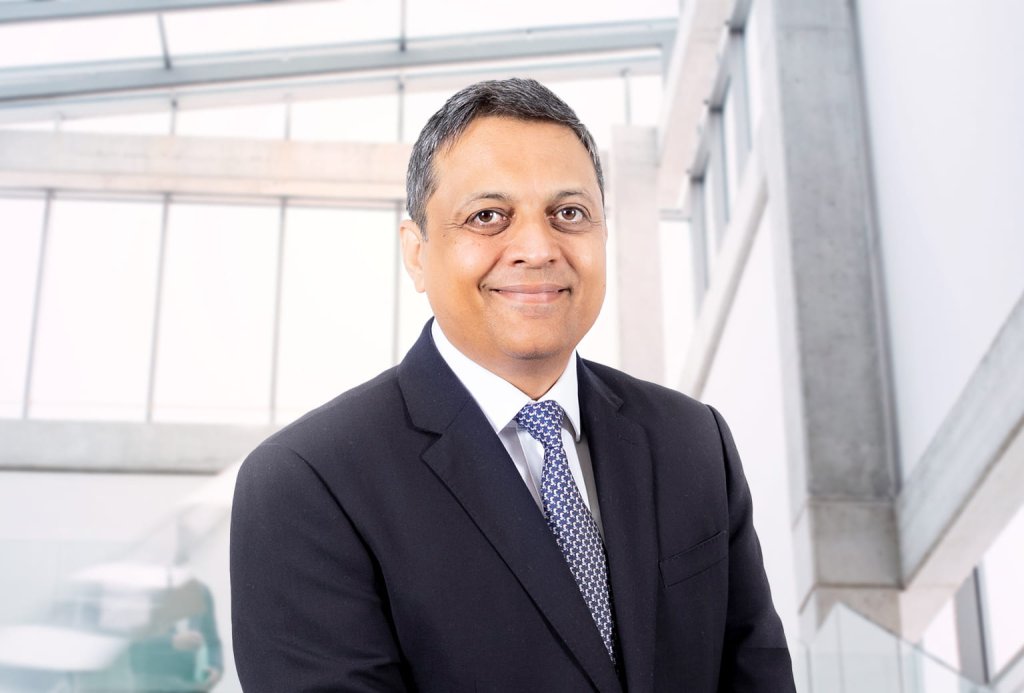
“The budget has taken a measured approach to balance India’s long-term growth ambition and inclusivity across regions & economic segments as well. The overarching growth theme is evident in the form of focus on manufacturing scale up in strategic sectors, rejuvenation of legacy industrial sectors, creation of champion MSMEs, infrastructure push, long-term energy security & stability and development of city economic regions. Indian real estate particularly stands to benefit from the targeted emphasis on manufacturing capability enhancement and infrastructure augmentation in the form of Dedicated Freight Corridors, high speed rail corridors, nationalization of inland waterways, development of urban clusters etc.
Driven by the budgetary focus, we expect traction in real estate requirement from textile, healthcare, semi-conductor & rare earth segments and firms within the Animation, Visual Effects, Gaming, and Comics (AVGC) and Artificial Intelligence (AI) domain. Interestingly, the proposed tax holiday for foreign cloud service providers will significantly accelerate data centre growth by attracting global hyperscalers and deepen long term investment in the segment, positioning India as a preferred hub for digital infrastructure and cloud based service economy. Furthermore, there is a clear focus on identifying and leveraging the growth drivers of Tier II & III cities including temple towns. Meanwhile, the pertinent focus on tourism, training, skill development, creation of infrastructure will have a positive domino effect on the real estate sector in the areas of hotels, guest houses, second homes and primary housing as well. Overall, the budget has emphasized strengthening competitiveness and augmenting manufacturing capabilities by integrating into the global value chain. In fact, India looks poised to move beyond capacity creation into capability building, which is likely to form the blueprint of sustained long-term growth, especially in these times of global uncertainties.
Although direct real estate announcements were limited in the budget, the focus on manufacturing and urban development is likely to accelerate growth across asset classes such as industrial & warehousing, data centers, retail, hospitality and to an extent office market as well. Specifically, the proposed tax holiday up to 2047 for foreign cloud service providers will help in attracting global hyperscalers and deepen long‑term investment in the data center segment. Impetus in the form of Semiconductor Mission 2.0, Electronics Component Manufacturing Scheme and Rare Earth Corridor can provide a long-term boost to the EV industry and hence boost long-term warehousing requirements. Similarly, the focus on pharmaceuticals through the allocation of INR 10,000 crore fund can amplify the demand for specific office space requirements in life science hubs of the country.
Urban development and real estate growth is set to accelerate in Tier II & III cities, driven by the INR 5,000 crore funding per City Economic Regions (CER) over a period of next five years. Initiatives aimed at tourism and skill development have the potential to drive consumption, enhance employment opportunities and spur real estate demand in untapped and emerging markets. Furthermore, recycling of real estate assets of public sector enterprises through setting up of dedicated REITs can deepen the REIT market participation and enhance yield of investor portfolios.”
Tanuj Shori, Founder and CEO, Square Yards


“The Budget’s continued focus on capital market deepening and asset recycling, including monetisation of public sector real estate through REIT structures, reinforces the role of REITs and InvITs as mainstream investment vehicles. We are likely to see a steady rise in new REIT and InvIT listings over the medium term, covering office assets, retail centres, logistics parks, data centres and infrastructure portfolios. For retail investors, this expands access to high-quality, income-generating real assets that were earlier largely available only to institutions.
They offer the dual benefit of regular yield visibility and participation in long-term asset appreciation, while providing liquidity through listed markets. Over time, these investment engines in the market will also improve transparency, valuation discipline and governance across the real estate ecosystem, strengthening overall investor confidence.”
Shrinivas Rao, FRICS, CEO, Vestian


“The Union Budget 2026 outlines a clear roadmap towards achieving Viksit Bharat by 2047, with a strong emphasis on accelerating the digital economy, upskilling the future workforce, strengthening infrastructure, promoting tier-2 and tier-3 cities, and reforms to ease financing from foreign investors. The budget aims to strengthen the growth ecosystem of the real estate sector by enhancing connectivity between emerging and established urban centers and by promoting the development of economic regions.
These measures are expected to attract GCCs to tier-2 and tier-3 cities, enabling them to leverage cost efficiencies and long-term growth opportunities. Additionally, the data centre industry is poised for heightened traction following the announcement of a tax holiday till 2047. The budget also charts a clear growth trajectory for the hospitality sector through focused initiatives aimed at boosting tourism.”
Amit Goyal, Managing Director, India Sotheby’s International Realty


“The Union Budget 2026 underscores policy continuity and a sustained focus on infrastructure and urban development, both critical for real estate growth. A stable macro framework and fiscal discipline reinforce long-term confidence, especially in premium and luxury housing. For discerning buyers, improved urban livability and economic resilience remain key drivers, even as global uncertainties influence near-term sentiment.”
Veena Khandke, SVP & Managing Director of Ensono India


“The Union Budget 2026 represents the Government of India’s bold commitment to positioning the IT services sector as the cornerstone of ‘Viksit Bharat.’ As a global leader in cloud migration, mainframe modernization, and digital transformation, Ensono applauds game-changing reforms that boost ease of doing business. The Safe Harbor threshold expansion to ₹2,000 crore with automated approvals and fast-tracked two-year Advance Pricing Agreements establish tax certainty, encouraging foreign investment and innovation in India’s technology sector.
Equally transformative is the tax holiday until 2047 for cloud service providers leveraging Indian data centers. This landmark policy positions India as a global hub for cloud computing, unlocking opportunities in hyperscale infrastructure, enterprise cloud solutions, cybersecurity, and AI-powered managed services areas central to Ensono’s expertise.
The government’s focus on workforce development through artificial intelligence upskilling, quantum computing initiatives, and STEM education for women ensures India builds future-ready talent. By creating pathways from education to entrepreneurship, Budget 2026 supports India’s ambitious target of capturing 10% global IT services market share by 2047.
These strategic measures reinforce technology as an economic growth driver, positioning India for sustainable competitiveness in the global digital economy.”
Gayathri Parthasarathy, Partner and Leader – Financial Services, PwC India

“Union Budget 2026–27 reinforces the government’s dual priority of sustaining growth while maintaining fiscal discipline. Continued high capital expenditure in infrastructure, manufacturing, digital public infrastructure, and energy transition is expected to crowd in private investment and strengthen India’s long-term growth trajectory.
A key highlight is the strong emphasis on financial sector reforms. The banking system was described as healthier and more resilient—with improved asset quality, stronger balance sheets, and rising profitability. A high-level committee on banking has been proposed to align the sector with India’s next growth phase and help in achieving Viksit Bharat goals. This committee will undertake a comprehensive review of the banking sector’s structure, governance, and future readiness to meet India’s expanding credit needs, while safeguarding stability and consumer interests.
Public sector banks are set to see further governance and technology-driven reforms aimed at improving efficiency and competitiveness. The Budget also includes the restructuring of Power Finance Corporation (PFC) and Rural Electrification Corporation (REC), alongside a comprehensive review of the Foreign Exchange Management (FEMA) (non-debt instruments) Rules.
Additionally, the Budget underscores the growing role of non-banking financial companies (NBFCs) in expanding credit access and calls for deeper insurance penetration. It further provides an incentive of ?100 crore for single issuance of municipal bonds of more than ?1,000 crore and introduces a market-making framework and total return swaps on corporate bonds—supported by tax measures such as raising the STT on futures from 0.02% to 0.05% and increasing STT on options premium and exercise of options to 0.15% from 0.1% and 0.125%, respectively.
Together, these measures point to a reform-led push to build a stronger, more inclusive financial ecosystem.”
Minal Srinivasan, Managing Director, Kesari Infrabuild pvt. ltd


“The Budget’s focus on strengthening urban infrastructure in Tier 2 and Tier 3 cities is a positive step, recognising their growing role in India’s development. Continued support through instruments such as the Urban Infrastructure Development Fund should help improve visibility on the flow and financing of urban infrastructure projects across regions. The emphasis on climate-friendly, multimodal solutions in logistics is also encouraging and can support the steady expansion of sustainable infrastructure.
For MSMEs like ours, measures aimed at improving liquidity and easing access to credit are welcome, as they can help businesses gradually scale capabilities and invest in cleaner technologies. The introduction of She-Mark is a thoughtful initiative that can widen access to credit-linked products for women entrepreneurs and support their participation in India’s economic growth.”
Sree Balaji, Co-Founder and Group CEO, iLink Digital


“We welcome the Union Budget 2026’s strong focus on AI and digital infrastructure, which positions emerging technologies as central to industrial competitiveness. Initiatives such as the India AI Mission and the recognition of AI as a force multiplier for governance and enterprise operations create a positive outlook for AI-led modernisation across manufacturing and services. As adoption deepens, enterprises will increasingly prioritise scalable, secure, and data-driven technology solutions to enhance productivity and resilience. We look forward to being part of India’s AI-led growth journey.”
Sabyasachi Goswami, CEO, Perfios

“As expected, the Hon’ble Finance Minister has once again presented a strong and forward-looking Budget for FY27.
The clear and consistent focus on AI and emerging technologies showcase Government of India’s commitment and priority to the digital and fintech ecosystem and is a big positive indicator for the sector. Government initiatives such as the AI Mission, National Quantum Mission, Anusandhan National Research Fund, and the Research, Development and Innovation Fund signal long-term commitment to technology-led growth. Measures to embed AI in the education curriculum and strengthen teacher training will help build future-ready talent and deepen India’s technology capabilities. The proposed use of AI across agriculture, manufacturing, logistics and governance will improve productivity and decision-making at scale.
The continued emphasis on MSMEs and startups will prove beneficial. Measures to deepen MSME financing and digital platforms will improve credit access and transparency. The expansion of the TReDS platform, including mandatory adoption by CPSEs, credit guarantee support, GeM linkage, and development of TReDS receivables as asset-backed securities, is a meaningful step toward faster and more reliable MSME cash flows.
The announcement of a High-Level Committee on Banking for Viksit Bharat is also timely and will help align the banking sector with the next phase of growth while safeguarding stability and inclusion. The proposed tax holiday till 2047 for foreign companies using India-based data centres for cloud services is another big step that will boost digital infrastructure and innovation.
Overall, this Budget builds strong momentum for technology-driven financial inclusion and scale.”
Amit Goyal, Managing Director, PMI, South Asia


“As India decisively advances towards Viksit Bharat 2047, the Union Budget 2026-27 unveils a future-ready vision deeply rooted in project ecosystem and execution excellence. The blueprint is clear: an unprecedented expansion of capital expenditure across mega infrastructure projects like Jal Jeevan Mission, Nuclear Energy Mission, urban development, a resurgence in manufacturing: National Manufacturing Mission, MSME support, and comprehensive agricultural initiatives like PM Dhan-Dhaanya Krishi Yojana. This signifies a nationwide surge in complex, multi-sectoral projects. The budget’s new risk-sharing mechanisms, ₹1.5 lakh crore in interest-free state infrastructure loans, and the ₹10 lakh crore Asset Monetization Plan, powerfully shift from policy intent to delivery confidence. These measures critically strengthen the entire project ecosystem, mitigating execution risks and attracting private investment across construction, manufacturing, innovation, and agriculture. This enables faster, more predictable, and higher-quality project outcomes.
Manish Sharma, Sector Leader – Infrastructure, Transport and Logistics, PwC India


“After more than 30% increase in capex between FY23 and FY25, the budget has now settled down to a modest growth of around 11% in FY26 and now to 9% for FY27. The emphasis is now shifting towards enabling better execution. Launch of initiatives like partial credit guarantee mechanism is one such intervention, where large number of new project developers are entering into PPP opportunities, with likelihood of user charge-based PPP projects like toll roads gaining traction, this could increase the risk profile for lenders and impact financial closures.
Therefore, credit guarantee mechanisms should address the concerns of lenders, however, these mechanisms need to work before the default and not after a default has occurred. Setting up seven new high speed rail corridors and DFCs is another welcome step, however, launching these developments need to be tied down to iron clad, irrevocable state government commitments on aspects like land, first and last mile access arrangements, and security to ensure timebound execution.
REITs for surplus CPSE lands is a long overdue intervention and, if effectively implemented, it could lead to a significant asset monetisation opportunity. The focus on creating a domestic capability in construction and infrastructure equipment and container manufacturing is a positive move to address the vulnerability which supply chain disruptions can cause to the country’s infrastructure and trade agenda.
Finally, the creation of City Economic Regions is a welcome step to check the unplanned and uncontrolled proliferation of Tier 2 and 3 cities and, capitalise on the economic opportunities they present, though this will require reforms to happen in tandem with creation of CERs, inclusion of peri-urban regions in municipal limits, recognising industrial clusters as an integral part of city planning, and extending reliable and quality municipal services to such regions.”
Ankur Jain, Managing Director, Ankur Scientific


“The Union Budget reiterates the government’s focus on clean energy security, domestic manufacturing, MSME growth, and innovation as key pillars of India’s energy transition. The emphasis on emerging technologies and capacity building provides a supportive environment for renewable energy solutions that enhance resource efficiency and reduce emissions.
It is encouraging to see measures aimed at championing MSMEs, strengthening domestic manufacturing, and promoting clean energy R&D, as these are vital for advancing indigenous technology development and building long-term capabilities. Furthermore, the Budget’s push for export competitiveness under the ‘Make in India’ agenda opens up opportunities for Indian renewable energy companies to scale globally, backed by stronger manufacturing capabilities and technology readiness”.
Shashi Kant Singh, Partner -Agriculture – Food – Agribusiness, PwC India

“Budget 2026-27 underscores India’s commitment to enhancing agricultural innovation, improving export competitiveness, and promoting women’s empowerment in agriculture—key pillars of the Viksit Bharat strategy. Focused support for high-value crops, along with special incentives for the fisheries and dairy sector, aims to augment farm incomes while strengthening India’s global agricultural competitiveness and boosting exports.”
Sanjay Agarwal, CEO & Whole Time Director, AMBIT Finvest


“The 2026 Budget underscores a decisive push to make Indian MSMEs globally competitive. The ₹10,000 crore SME Growth Fund, providing equity support to high-potential MSMEs based on performance and scalability, is a landmark step toward creating MSME champions. Equally significant are measures to ease liquidity constraints: mandatory TReDS adoption by Central Public Sector Enterprises, credit guarantee support for invoice discounting, integration of GeM with TReDS, and development of receivables as asset-backed securities. The initiative to revive ~200 stressed industrial clusters further modernises infrastructure, restores jobs, and strengthens MSME competitiveness.”
Sulabh Tandon, Chief Business Officer, airpay vyaapaar


“The Union Budget 2026–27 sends encouraging signals for small merchants and local businesses that form the backbone of India’s economy. With its focus on ease of compliance and structural support, the Budget addresses real, on-ground challenges faced by shop owners and traders. By reducing friction in taxes and streamlining digital payments, it creates a clear pathway for small businesses to grow sustainably, formalise with confidence, and become active partners in India’s journey toward a Viksit Bharat.”
Sanjay Agarwal, Founder, MD & CEO, AU SFB


“Union Budget 2026-27 sends a powerful signal of consistency and confidence. By adhering to capex-heavy fiscal consolidation with gross fiscal deficit at 4.3% in FY27, the government has anchored the economy in prudence, ensuring stability even as it pushes for growth. The proposed high-level banking committee is a strategic masterstroke, promising a roadmap that balances credit expansion with consumer protection and technological agility.
For the MSME sector, this is a transformative moment. The ₹10,000-crore SME Growth Fund shifts the focus from mere survival to the creation of ‘Enterprise Champions’. Furthermore, the introduction of ‘Corporate Mitras’ in Tier II and Tier III cities is revolutionary, ensuring that the next wave of growth comes from the hinterland, not just from the metros. We welcome the reduction of customs duties on inputs/capital goods, emphasis on AI adoption, continuation of structural reforms, and ease of doing business. The budget is forward-looking, growth-positive, and non-inflationary.”
Srividya Kannan, Founder-CEO, Avaali


“Budget 2026 underscores India’s next growth phase as enterprise-led and technology-driven, positioning AI as a force multiplier for governance, financial resilience and service productivity. By aligning skills, platforms and enterprise demand—through measures such as the Education-to-Employment Committee, industry-led research, ISM 2.0 and responsible AI frameworks—the budget lays a strong foundation for trusted, scalable enterprise systems and a future-ready workforce.
However, while adoption and workforce readiness are well addressed, targeted support for AI product-led innovation remains limited. India’s global AI leadership will depend not just on deploying technologies, but on building world-class AI products. Stronger incentives for AI R&D, access to computing power and product-focused ecosystems could have accelerated this ambition. The ₹10,000 crore SME Growth Fund is a notable positive step, enabling high-potential SMEs to scale and compete globally. Overall, the budget sets the direction right, but a sharper focus on AI product innovation could unlock far greater transformative impact.”