

Business
‘Well-planned scheme to siphon off public money’: ED Raids Anil Ambani’s Premises

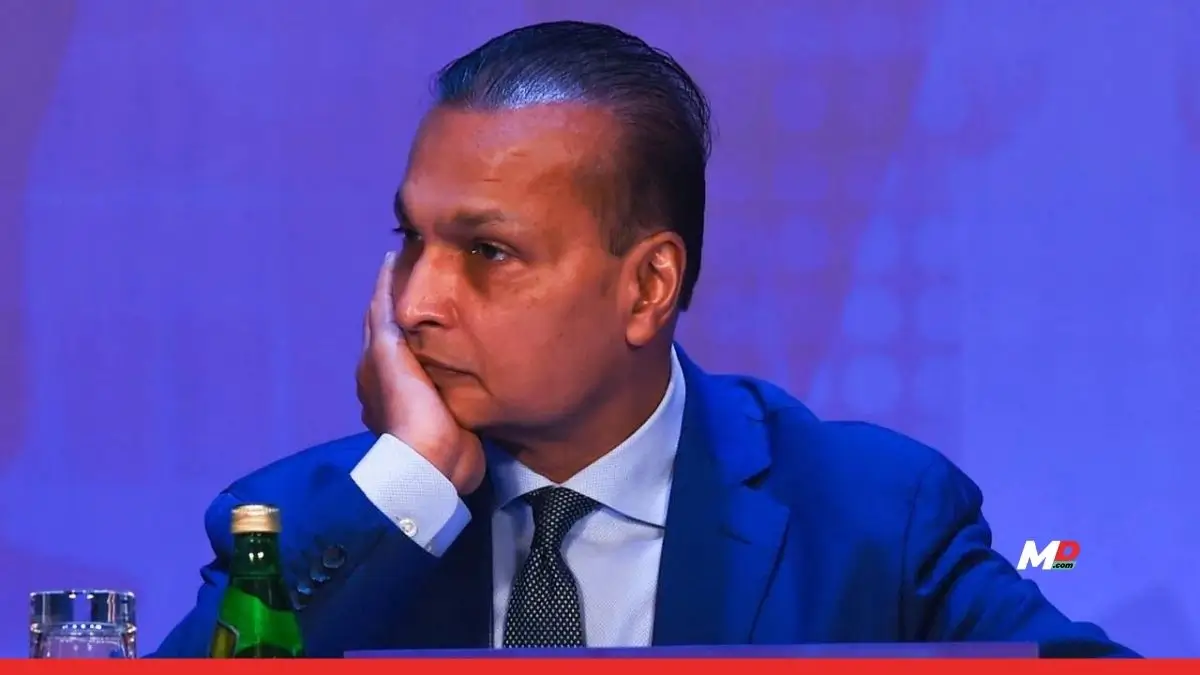
Indian authorities intensified their investigation into Anil Ambani’s business empire this week, as the Enforcement Directorate (ED) raided over 35 premises and scrutinized 50 companies connected to the Reliance Group chairman in both Delhi and Mumbai. These raids stem from money laundering allegations, linked primarily to a ₹3,000 crore loan fraud involving Yes Bank between 2017 and 2019. Investigators allege a calculated scheme to siphon off public money—cheating banks, investors, and public institutions—while sources point to bribery of senior bank officials to facilitate large unsecured loans and the use of shell companies to route illicit funds.
The scale and coordination of this operation, corroborated by input from multiple agencies (SEBI, CBI, NHB, NFRA, Bank of Baroda), underscore the gravity of the case. The ED alleges that RAAGA companies repaid Yes Bank loans by diverting and disguising funds across a complex web of firms, benefitting Anil Ambani’s conglomerate.
A Pattern of Poor Business Practices and Dramatic Decline
The raids are just the latest chapter in Anil Ambani’s saga of spectacular rise and equally dramatic collapse. Once the world’s sixth richest person, commanding a net worth of $42 billion in 2008, Ambani’s business career has been marred by high-risk expansion, opaque financial dealings, and failed ventures. The initial euphoria of his control over promising sectors—telecom, power, and finance—faded rapidly as debts mounted and cracks in governance became visible.
Reliance Power’s 2008 IPO symbolized the excess, with shares plummeting soon after listing and billions in investor wealth evaporating. The decline accelerated when Reliance Communications, once a telecom giant, collapsed under its debt burden, forced into insolvency by 2019. Multiple firms linked to Ambani followed a similar trajectory, defaulting on bonds and loans worth tens of thousands of crores.
Regulators found evidence of widespread wrongdoing. SEBI banned Ambani from the securities market for five years following revelations that he, as chairman of Reliance Home Finance, helped orchestrate a fraudulent scheme to siphon off over ₹5,000 crore through dubious loans to related firms.
Bankruptcy and Pennies on the Dollar
In 2020, Ambani declared personal bankruptcy in a UK court, claiming his net worth was “zero.” This followed a series of global lawsuits and the inability to repay debts; notably, he dodged jail only because his brother Mukesh Ambani settled a crucial Ericsson liability at the last moment. The business ecosystem now remembers him not as a builder, but as a cautionary tale.
Ambani’s group companies have repeatedly imposed massive losses on creditors. Bidders for Reliance Naval, for example, proposed offers that would force banks to absorb an 80-90% haircut on claims totaling more than ₹12,400 crore. In an even starker case, the bankruptcy resolution of Reliance Big Private Limited left creditors facing a 99% loss, recovering only a fraction of what they were owed. Reliance Infrastructure Consultancies saw a 99.91% haircut on creditor dues, making lenders absorb virtually the entire loss13.
Lavish Lifestyle Despite Debt: The Yacht Allegation
Despite the carnage, Anil Ambani’s lifestyle has drawn scrutiny. Reports from as far back as 2009 allege that the Ambani Group smuggled a luxury yacht—gifted by Anil to his wife—circumventing customs duties, and legal troubles ensued over unpaid levies. Even as his empire crumbled and bankruptcy was declared, public perception persisted that Ambani continued to enjoy the perks of wealth: high-end properties, luxury vehicles, and a lifestyle at odds with his claims of insolvency.
Strategic Lessons from the Collapse
- Governance and Transparency: Ambani’s empire underscores the dangers of poor corporate governance and aggressive, debt-fueled growth unchecked by transparency.
- Regulatory Response: The scale of haircuts faced by banks has triggered sharper scrutiny from Indian regulators, who are aiming to tighten loopholes that allowed such massive value erosion for the public and creditors.
- Wealth vs. Responsibility: Ambani’s lifestyle amid financial collapse has reignited debates over accountability for business leaders who leave creditors and investors in the lurch.
Beyond the headlines, the Anil Ambani saga is a wake-up call: unchecked ambition, opaque finances, and lack of transparency are a recipe for disaster. As authorities tighten scrutiny and India’s business world reflects, his downfall serves as a powerful reminder—no fortune is too great to fall, and no misdeed is too small to escape the law.