Business
Beyond the brand deal: 10 Indian celebrities putting real money behind Startups

Article Summary
- India’s celebrity-startup relationship is moving beyond endorsements, with 10 prominent celebrities participating in 49 disclosed funding rounds across 34 Indian startups between 2021 and 2026 YTD.
- Shilpa Shetty Kundra leads the pack with 10 disclosed rounds, followed by MS Dhoni and Sachin Tendulkar with six each.
- More than half of the rounds were Angel or Seed investments, suggesting that celebrity capital is often entering businesses relatively early in their growth journeys.
- Repeat investments are particularly significant, with nine celebrity-company relationships accounting for 22 of the 49 rounds, signalling conviction rather than one-off brand association.
Celebrity involvement in startups has been a familiar feature of India’s consumer economy for years. A famous face launches a product, appears in its advertising, posts about it on Instagram, and occasionally takes an equity stake.
The more interesting development is what happens when the celebrity comes back for the next funding round.
According to Tracxn’s latest list of notable celebrity investors, India’s celebrity-startup ecosystem is becoming increasingly investment-led. Between January 2021 and 2026 YTD, the 10 celebrities featured in its ranking participated in 49 disclosed funding rounds across 34 India-headquartered startups. The rounds had a combined disclosed value of approximately $458 million.
The numbers come with an important caveat. The $458 million represents the total value of those funding rounds, rather than the amount personally invested by the celebrities. These were typically rounds involving several investors.
Even so, the pattern is revealing.
1. Shilpa Shetty Kundra: 10 rounds


Shilpa Shetty Kundra sits comfortably at the top of the ranking, with 10 disclosed funding rounds between 2021 and 2026 YTD.
Her portfolio spans food and beverage, online grocery, fashion technology, beauty and personal care, and even air-pollution management technology. She has also returned to the same businesses across multiple rounds, including three investments in WickedGud.
That breadth says something about the changing role of celebrity capital. Shetty’s investment activity stretches well beyond businesses that can naturally be associated with her public persona.
2. MS Dhoni: 6 rounds

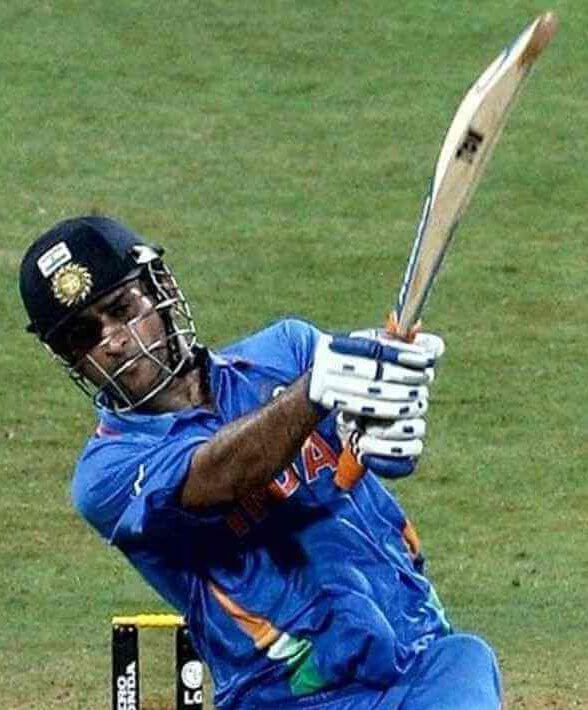
MS Dhoni’s six disclosed rounds cover a strikingly broad collection of businesses, including solar energy, drones, electric vehicles, fitness and wellness, food technology, and OTT video.
The former India captain’s portfolio therefore reflects a wider appetite for technology and consumer businesses rather than a narrow focus on sports-related ventures.
His largest disclosed round during the period was a $53 million Series C in solar energy.
3. Sachin Tendulkar: 6 rounds

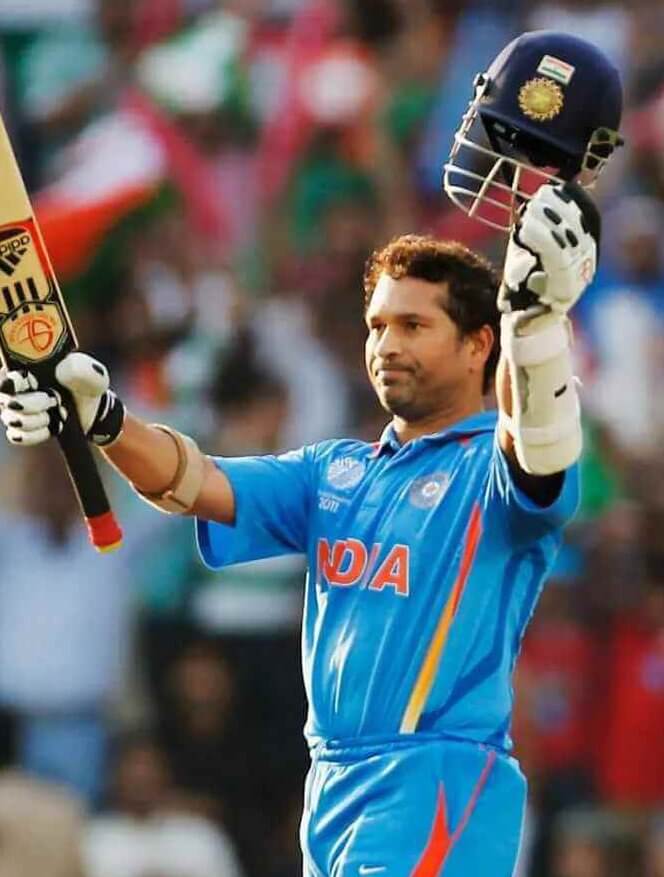
Sachin Tendulkar also has six disclosed rounds, although his investment story is more concentrated.
Five of those rounds involved Spinny, the auto e-commerce company that has become India’s sole unicorn among the 34 companies represented in the Tracxn list.
Tendulkar’s repeated participation is perhaps the clearest example of celebrity investment turning into sustained backing. His involvement has extended across several financing stages, including Spinny’s $250 million Series E.
That is a very different proposition from lending a name to a campaign. It represents continued exposure to the company’s growth trajectory.
4. Shraddha Kapoor: 5 rounds


Shraddha Kapoor has participated in five disclosed rounds, with investments spanning fashion technology, electric vehicles, nutraceuticals, and K-12 education technology.
Her portfolio illustrates another feature of celebrity investing: the ability to build exposure across emerging consumer categories that may benefit from a strong connection with younger audiences.
Electric mobility, in particular, appears twice in her disclosed investments.
5. Virat Kohli: 5 rounds

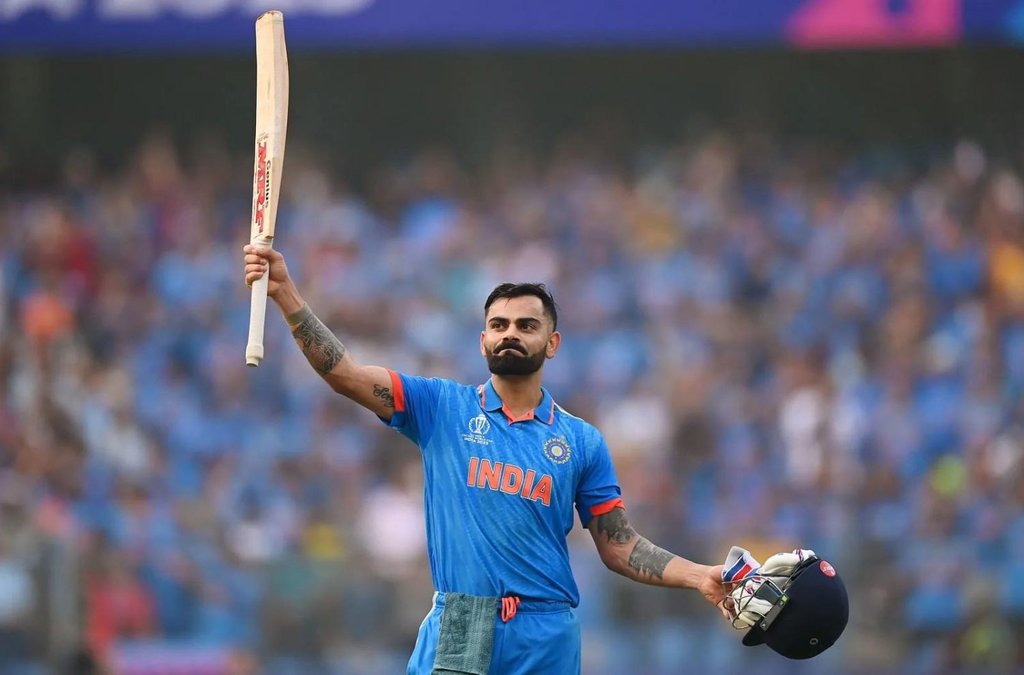
Virat Kohli also has five disclosed rounds, with investments across footwear, food and beverage, and food technology.
His investment activity is especially interesting because several of the businesses operate in categories where brand, lifestyle, and consumer identity play a substantial role.
That creates a potentially powerful overlap between celebrity influence and startup distribution. An investor who can also introduce a brand to millions of consumers brings a different form of value to the cap table.
6. Alia Bhatt: 4 rounds

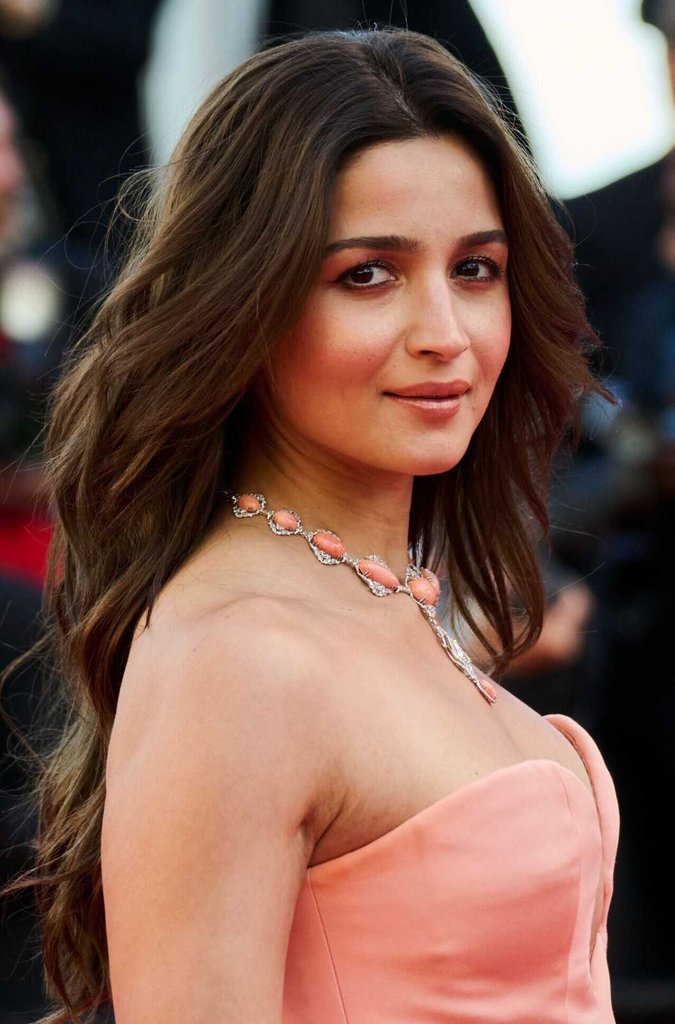
Alia Bhatt has participated in four disclosed rounds, with investments concentrated in online mother-and-baby care and home-care products.
There is a clear consumer thesis here. Both categories depend heavily on trust, familiarity, and brand building, areas where celebrity investors can potentially contribute beyond capital.
Her portfolio also includes repeat participation in businesses across multiple funding stages.
7. Anushka Sharma: 4 rounds

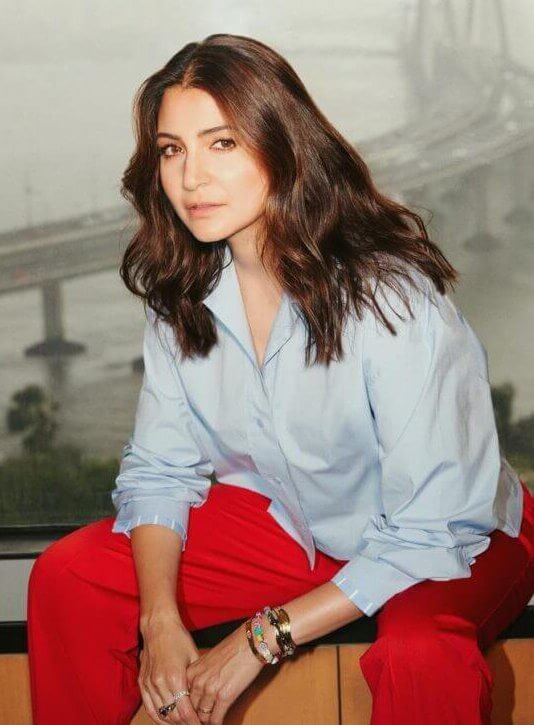
Anushka Sharma’s four disclosed rounds span footwear, food and beverage, and food technology.
Her largest disclosed participation in the period came through a $24 million Series C in a footwear brand in 2026.
The investment also highlights the growing sophistication of celebrity participation. As startups mature, celebrity investors can remain involved well beyond the early Angel or Seed stages.
8. Ranveer Singh: 3 rounds

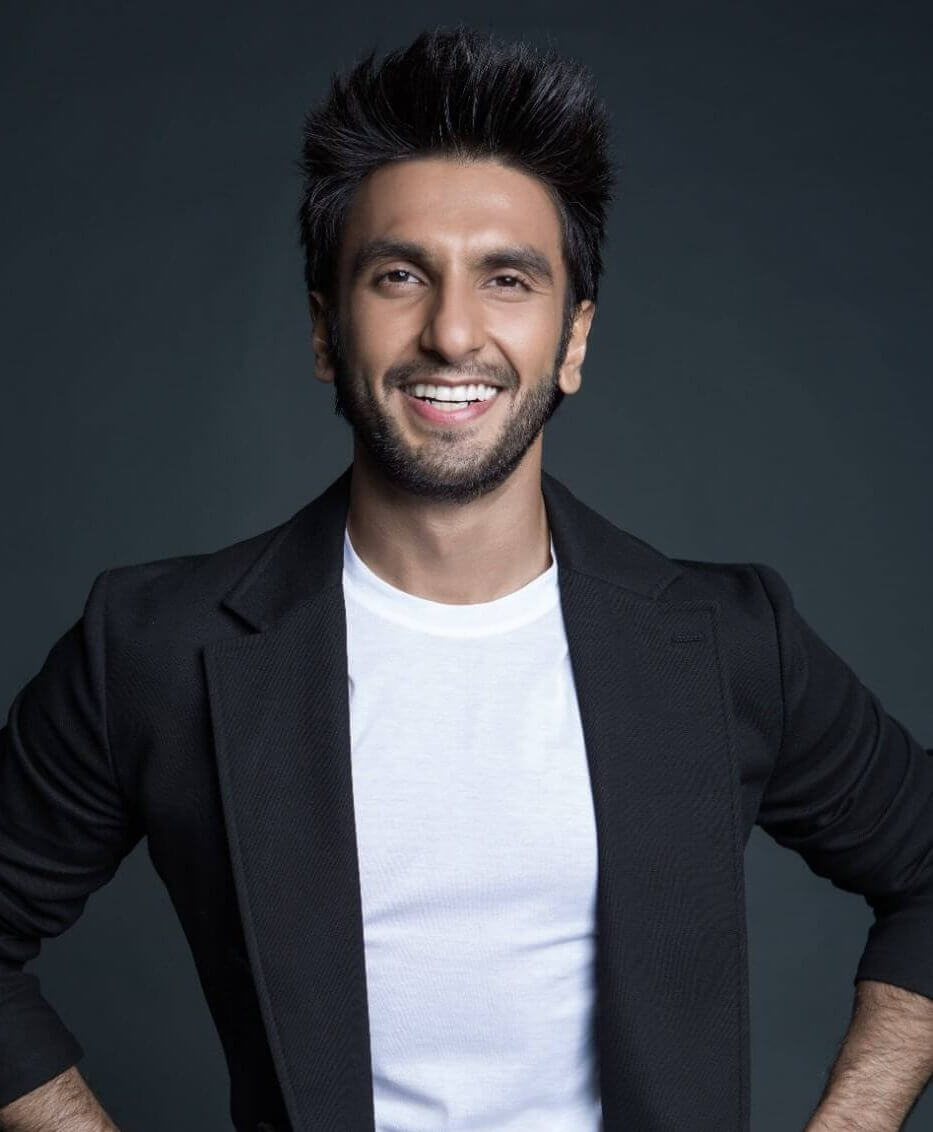
Ranveer Singh has three disclosed rounds, all in beauty and personal care businesses.
The concentration is notable. Rather than spreading capital across unrelated sectors, his investments point towards a defined consumer and personal-care thesis.
His three rounds also include investments at Seed and Angel stages, reflecting the broader tendency for celebrity capital to enter startups relatively early.
9. Rohit Sharma: 3 rounds
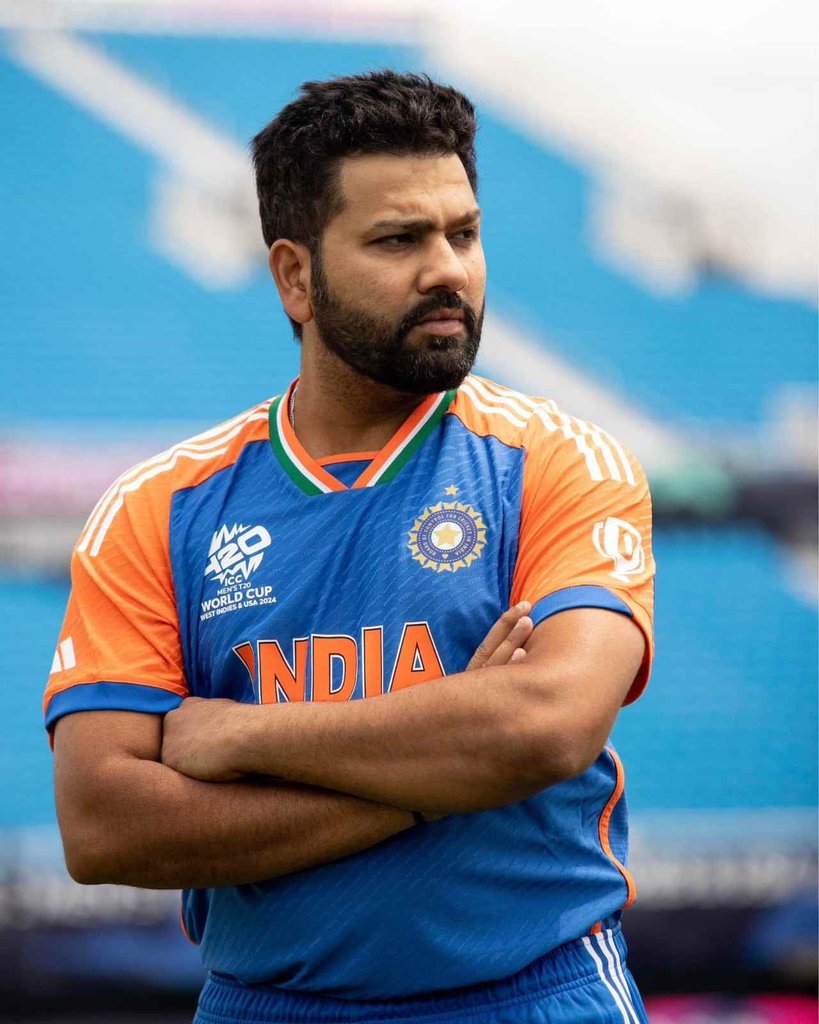
Rohit Sharma has three disclosed rounds across logistics technology, home-care products, and drones.
The portfolio is considerably more diverse than his public association with cricket might suggest.
His investments also demonstrate how celebrity capital is increasingly finding its way into technology-led businesses that sit behind the consumer economy, from logistics to drones.
10. Suniel Shetty: 3 rounds

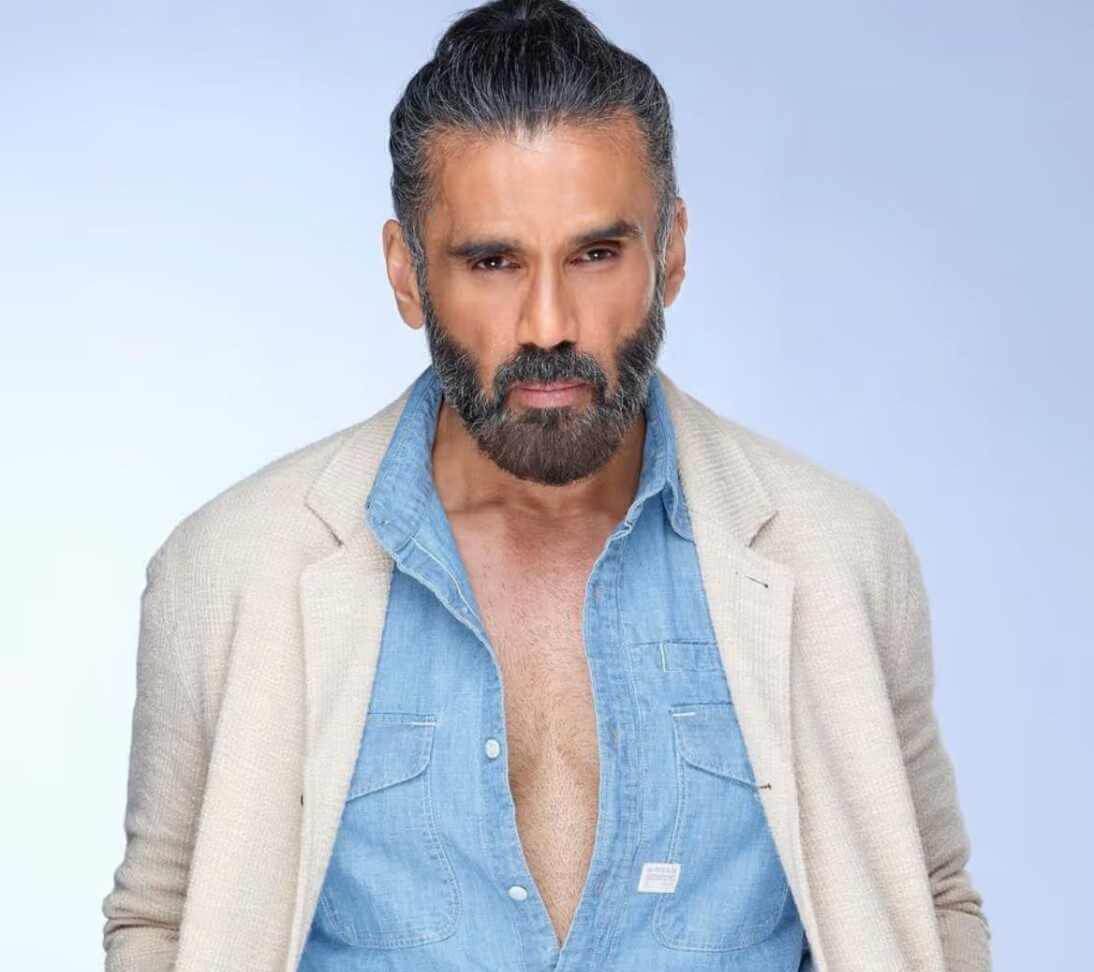
Suniel Shetty rounds out the list with three disclosed investments across industrial safety, K-12 education technology, and beauty and personal care.
His portfolio offers perhaps the widest sector spread among the three-round investors, illustrating the increasingly varied nature of celebrity participation in India’s startup economy.
Early money, repeated conviction
One of the most significant findings in the Tracxn data is where this money enters the startup lifecycle. Of the 49 disclosed rounds, 27, or 55%, were Angel or Seed rounds. Another 13 were Series A.
Celebrity investors, therefore, appear to be particularly comfortable entering businesses before they become established companies. That can be strategically valuable for startups because celebrity capital can potentially combine money with visibility, distribution, credibility, and access to consumers.
The repeat-investment pattern is even more revealing. Nine celebrity-company relationships account for 22 of the 49 rounds. Tendulkar’s five rounds in Spinny and Shetty’s three rounds in WickedGud are the standout examples.
That recurrence suggests that at least some celebrity investors are treating startups as long-term portfolio companies rather than making isolated bets around their personal brands.
From influence to ownership
There is another reason these investments deserve attention.
The 34 startups represented in the ranking range from early-stage minicorns to soonicorns such as Sugar Cosmetics and XYXX, while Spinny has reached unicorn status. Five portfolio companies have also experienced a significant liquidity or corporate milestone, through acquisition or public listing.
Among them are Mamaearth, which listed in 2023, Klassroom, which subsequently became publicly listed, and Ed-a-Mamma and Shunya, which were acquired by Reliance. Purple Style Labs also launched its IPO in August 2026.
Celebrity investing, in other words, is beginning to look increasingly like a small but meaningful component of India’s startup capital stack. The financial contribution may be modest compared with institutional venture capital. The strategic contribution can be harder to quantify. A celebrity investor can bring reach, consumer trust, cultural relevance, and attention that conventional investors have to buy through marketing.
The real test, however, is whether that influence translates into durable business value. For India’s startups, the attraction is obvious. For celebrities, the equation is changing too. A brand deal pays for association with a business. Equity creates exposure to what happens after the campaign ends.
That makes celebrity participation in the startup economy worth watching for a reason beyond the celebrity names themselves. The most interesting question is increasingly whether these investors can turn fame into informed capital, and whether founders can turn that fame into sustainable enterprise value.