Auto
The Ferrari Luce is a $640k affront to Maranello’s history

The future of mobility arrives, uninvited
There is a moment in every great love story where the beloved does something unforgivable and you are forced to reckon with whether you love the idea of them, or them as they actually are. The Ferrari Luce is that moment for every Ferrari faithful walking the earth today.
Unveiled at a price point of $640,000, the Luce is Ferrari’s first fully electric production car and, by every objective measure, one of the most significant automobiles the Maranello marque has ever produced. It makes approximately 1,000 horsepower. It seats five. It will, in all likelihood, embarrass virtually everything else on the road in a straight line. And it looks, there is no delicate way to say this, like someone fed a concept sketch into an AI model and forgot to include the word beautiful in the prompt.
Also read: Ferrari’s sells more than sportscars — it sells dreams
Designed with the input of Apple’s former chief design officer Jony Ive, the Luce is an exercise in aerodynamic sculpture that prioritises function and futurism over the sensuous lines that made Ferraris the stuff of bedroom posters and mid-life crises across generations. Where the 250 GTO seduced with elegant restraint, where the Testarossa announced itself with muscular drama, and where even the recent Roma managed to be breathtakingly lovely without trying too hard, the Luce is a different proposition entirely. It is visually assertive, silently screaming look at me. The problem is I cannot do so without my eyes bleeding.
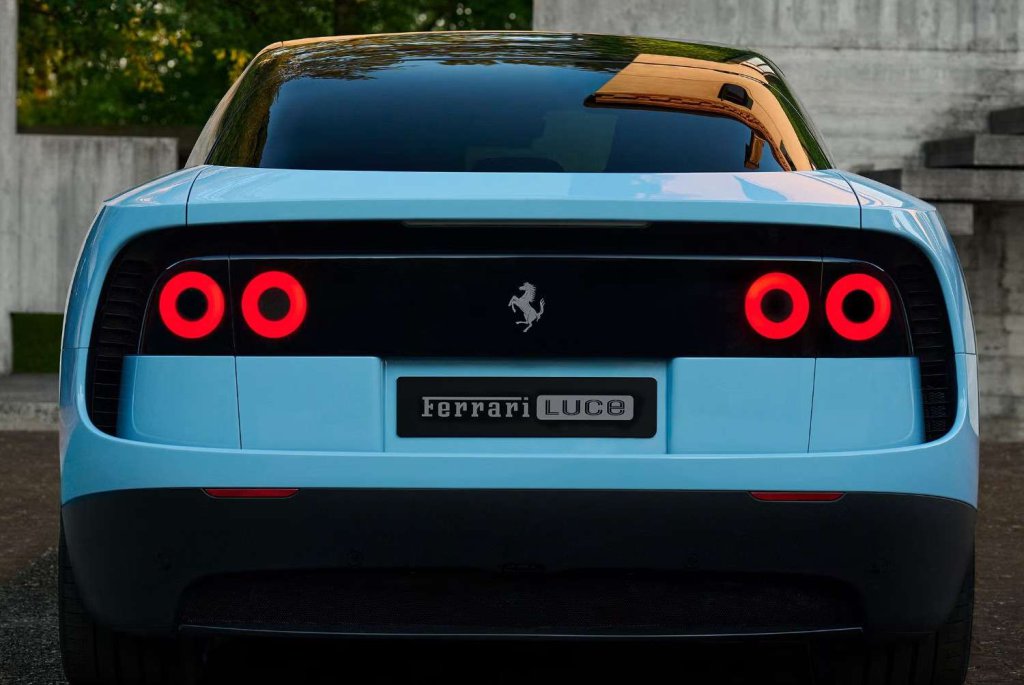
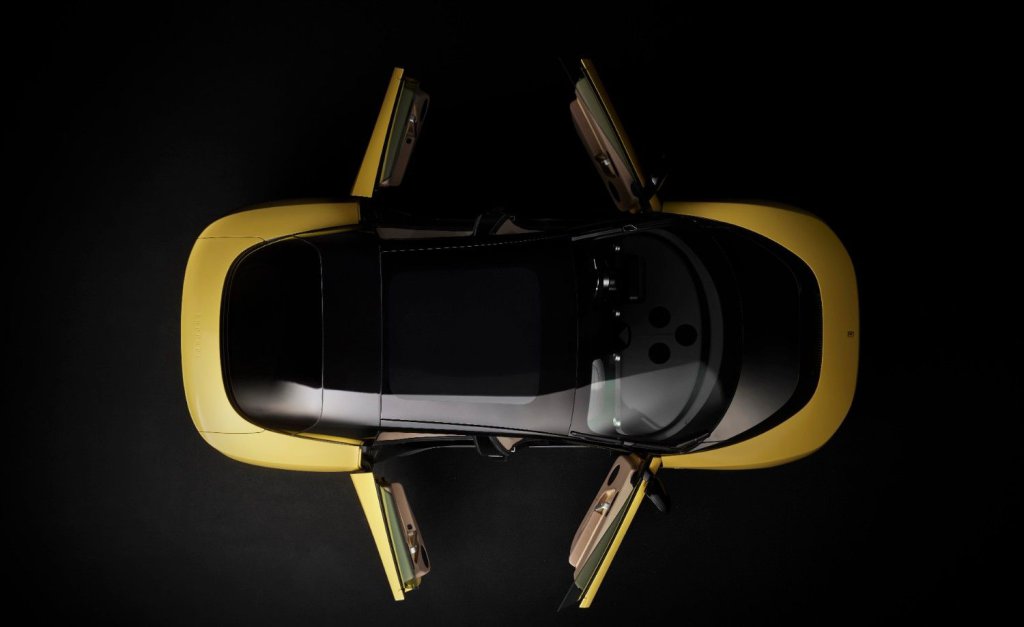
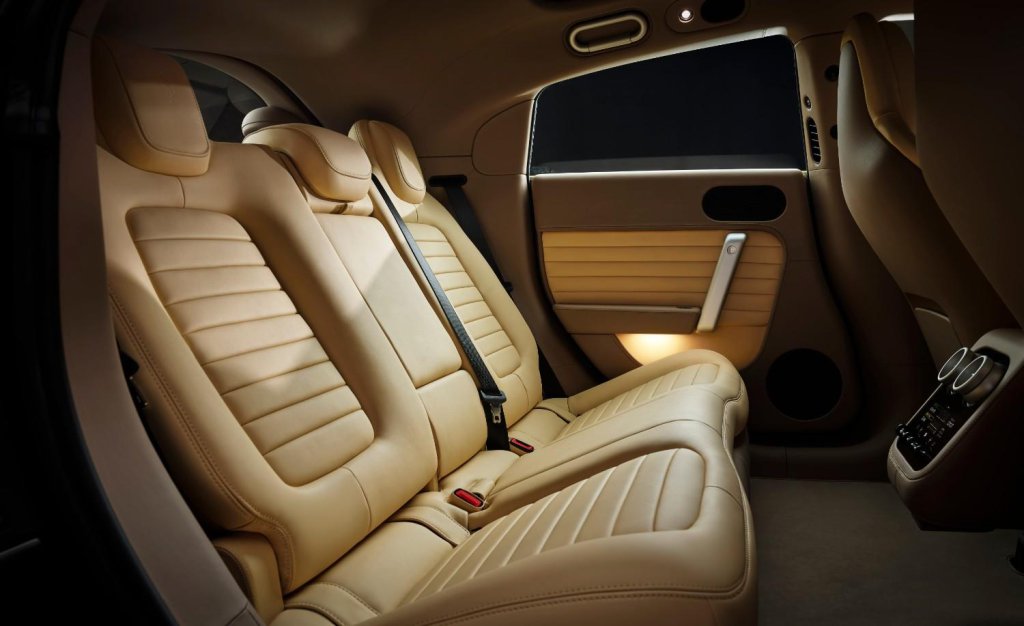
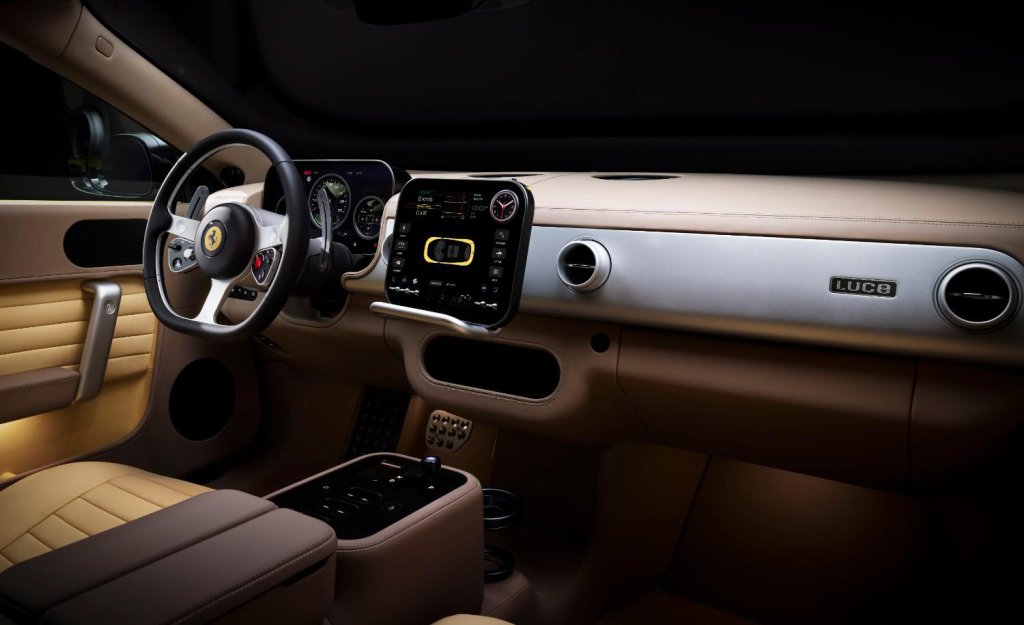
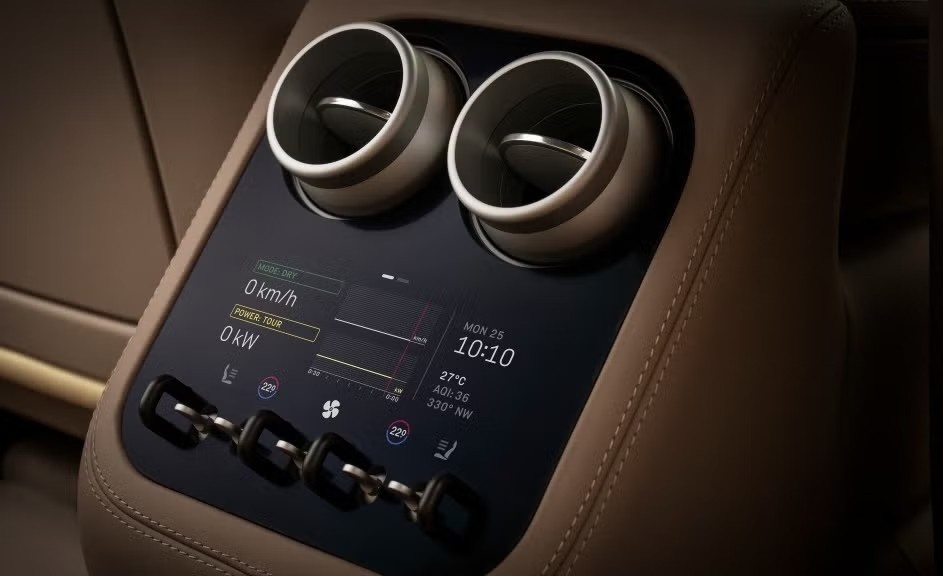
Ferrari knows exactly what it is doing. The Luce is not a car for the romantics. It is a statement of intent, a declaration that the prancing horse intends to be relevant in 2035 and beyond as much as it was in 1985. That is a legitimate and even admirable ambition. But ambition and elegance have always been Ferrari’s twin inheritances, and for the first time in its storied history, the brand has delivered one at the direct expense of the other.
The deeper question is one of identity. Rolls-Royce embraced electric mobility, and launched the Spectre, its electric grand tourer, and the transition felt almost inevitable. Silence suits Rolls-Royce. The hush of an electric drivetrain is simply an extension of the insulated, cosseting world that the Silver Lady has always promised. For Rolls-Royce, the engine was never the point.
For Ferrari, the engine has always been everything.
The scream of a Ferrari flat-plane V8 climbing toward its redline is not merely a feature. It is the entire emotional architecture of the brand. It is the reason owners open the windows in tunnels. It is the reason Ferrari owners rev their engines at traffic lights, not to be antisocial, but because they cannot help themselves. The Luce, for all its horsepower, will deliver none of that. It will be faster. It will be quieter. It will be, in the clinical language of automotive benchmarks, better. And it will feel like less.
There is also the small matter of how Ferrari plans to sell this. The brand has long operated a system where access to its most desirable limited-edition models is contingent on a customer’s purchase history. Buy enough Ferraris, earn the right to buy the truly extraordinary ones. With the Luce priced as a flagship and positioned as a halo product, one can reasonably expect it to become a new rung on that ladder. Want an allocation for the next special series? Own a Luce first. Ferrari aficionados will need to decide how much they want to belong.
The Ferrari Luce is probably not a bad car. It may well be a great one. But greatness was never solely Ferrari’s promise. Beauty was. Soul was. The combustion of metal and fuel and human emotion that made every Ferrari drive feel like a small, private act of rebellion against the mundane, an explosion of joy at all times, with a sense of occasion. Whether the Luce can replicate that without the one ingredient that made it possible is the question that will define Ferrari’s next chapter. The answer, for now, is TBD. The loss, already, is real, as is the pain in the hearts of car aficionados.